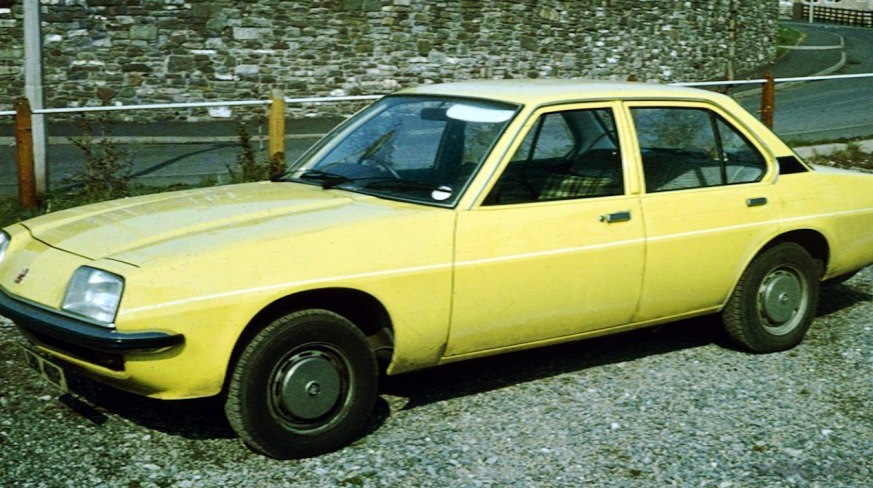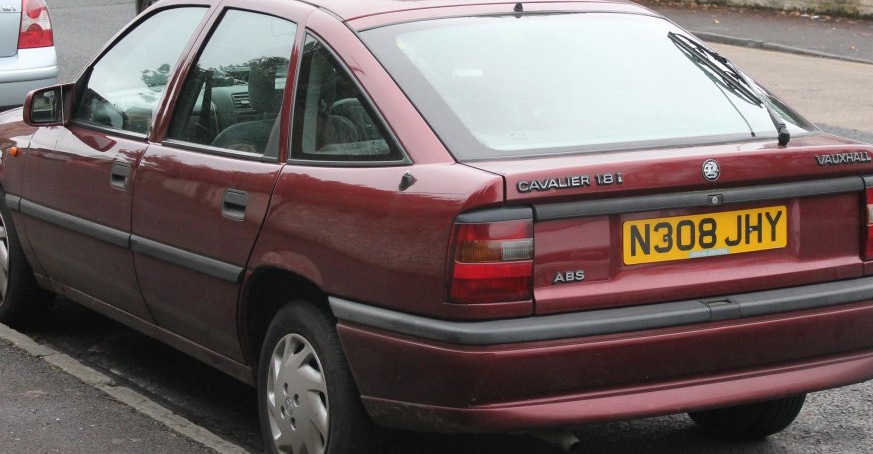
The Vauxhall Cavalier Mk III CC 1.6i, producing 75 horsepower, was a mainstay of the British automotive market from 1988 to 1989. This variant occupied the entry-level position within the Mk III Cavalier range, which was itself a significant evolution of the popular and long-running Cavalier line. Built on the GM X platform (internally designated as the 81BX/82BX in the UK, aligning with the Opel Ascona/Manta), the Mk III Cavalier represented a move towards more modern styling and improved aerodynamics compared to its predecessor. The “CC” designation signified the Cavalier Coupe, a five-door hatchback body style that proved particularly popular with family buyers.
The 1.6i: Positioning and Market Context
The 1.6i 75hp model served as the most accessible point of entry into the Mk III Cavalier lineup. Above it sat the 1.8i (typically around 84-90 hp), and the more performance-oriented 2.0i models. A diesel variant was also available. The 1.6i was specifically targeted at buyers prioritizing fuel economy and affordability over outright performance. It was a common choice for first-time car owners, families on a budget, and company car fleets where cost-effectiveness was paramount. Compared to the higher-spec models, the 1.6i offered a more economical purchase price and lower running costs, albeit at the expense of acceleration and overall driving excitement.
Powertrain & Engine Architecture
The heart of the Cavalier 1.6i was the E16NZ engine, a 1.6-liter (1598 cc) inline-four cylinder gasoline engine. This engine featured a single overhead camshaft (OHC) valvetrain with two valves per cylinder. It utilized a Bosch Mono-Jetronic single-point fuel injection system, which was a relatively simple and cost-effective method of fuel delivery for the time. The engine produced 75 hp at 5200 rpm and 92.2 lb-ft of torque at 2600 rpm. The compression ratio was 9.2:1. The engine was transversely mounted in the front of the vehicle, driving the front wheels.
The 1.6i was exclusively offered with a five-speed manual transmission. This transmission was chosen to maximize fuel efficiency and provide a reasonable driving experience given the engine’s modest power output. The gear ratios were geared towards economy, with a relatively tall final drive. An automatic transmission was *not* offered with the 75hp 1.6i engine; it was reserved for the higher-powered 1.8 and 2.0 liter variants.
Driving Characteristics
The driving experience in the Cavalier 1.6i was characterized by its practicality and ease of use rather than sporting prowess. Acceleration was modest, taking approximately 14 seconds to reach 62 mph (100 km/h). The engine felt relatively strained at higher speeds, and overtaking required careful planning. However, the engine was reasonably responsive at lower revs, making it suitable for urban driving and everyday commuting. The five-speed manual transmission allowed drivers to keep the engine in its optimal power band, but the lack of torque meant frequent gear changes were often necessary, particularly when climbing hills or carrying a full load. The steering was light and precise, making the car easy to maneuver in tight spaces. The suspension provided a comfortable ride, although it could feel somewhat soft and wallowy when cornering.
Equipment & Trim Levels
The 1.6i trim level was fairly basic, focusing on essential features. Standard equipment typically included central locking, electric front windows, a basic stereo system, and cloth upholstery. The interior was functional and durable, with a straightforward dashboard layout. Optional extras included a sunroof, upgraded stereo systems, and metallic paint finishes. Higher trim levels, such as the GLS and SR, added features like alloy wheels, upgraded interior trim, and more sophisticated audio systems. The base 1.6i models generally featured a simple, durable cloth upholstery in a dark color scheme. The dashboard was constructed from hard-wearing plastics, prioritizing practicality over luxury.
Chassis & Braking
The Cavalier Mk III CC utilized an independent McPherson strut suspension system at the front, providing a comfortable ride and reasonable handling. The rear suspension employed a coil spring setup. The front brakes were ventilated discs, while the rear brakes were drums. This configuration was typical for cars in this class at the time, balancing cost and performance. Anti-lock braking system (ABS) was available as an option, but not standard on the base 1.6i model. The steering was a rack and pinion system with hydraulic power assistance, providing light and precise steering feel. The tires were typically 175/70 R14, offering a good compromise between grip and fuel economy.
Market Reception & Comparison
The Cavalier 1.6i was generally well-received by the motoring press as a practical and affordable family car. Critics praised its fuel economy, comfortable ride, and spacious interior. However, they also noted its lack of performance and relatively basic equipment levels. Compared to rivals such as the Ford Escort and Austin Metro, the Cavalier 1.6i offered a more spacious interior and a more comfortable ride, but it was generally less exciting to drive. In terms of reliability, the 1.6i engine was generally considered to be robust and dependable, although the single-point fuel injection system could sometimes be prone to issues. Fuel economy figures were respectable for the time, averaging around 34.6 US mpg (41.5 UK mpg) on the combined cycle.
Technical Specifications
| Engine Type | Inline-4, Gasoline |
| Engine Displacement | 1598 cc (97.52 cu in) |
| Engine Code | E16NZ |
| Power Output | 75 hp @ 5200 rpm |
| Torque | 92.2 lb-ft @ 2600 rpm (125 Nm @ 2600 rpm) |
| Fuel Injection | Single-point (Bosch Mono-Jetronic) |
| Valvetrain | OHC, 2 valves per cylinder |
| Compression Ratio | 9.2:1 |
| Transmission | 5-speed Manual |
| Drive Wheels | Front |
| Kerb Weight | 1020 kg (2248.72 lbs) |
| Maximum Weight | 1550 kg (3417.17 lbs) |
| Fuel Consumption (Urban) | 8.9 l/100 km (26.4 US mpg) |
| Fuel Consumption (Extra Urban) | 5.2 l/100 km (45.2 US mpg) |
| Fuel Consumption (Combined) | 6.8 l/100 km (34.6 US mpg) |
| 0-62 mph | 14 seconds |
| Top Speed | 109.36 mph (176 km/h) |
| Fuel Tank Capacity | 61 l (16.11 US gal) |
| Trunk Space (Min/Max) | 460 l / 1290 l (16.24 cu ft / 45.56 cu ft) |
Legacy
The Cavalier 1.6i, while not the most exciting variant in the Mk III range, remains a popular choice among classic car enthusiasts and those seeking an affordable and reliable vintage vehicle. The E16NZ engine is known for its durability, and parts availability is generally good. However, as with any older car, regular maintenance is essential to keep it running smoothly. Today, well-maintained examples of the Cavalier 1.6i can be found for relatively low prices, making them an attractive option for those looking for a nostalgic and practical classic car. The simplicity of the engine and the availability of spare parts contribute to its continued appeal in the used car market.