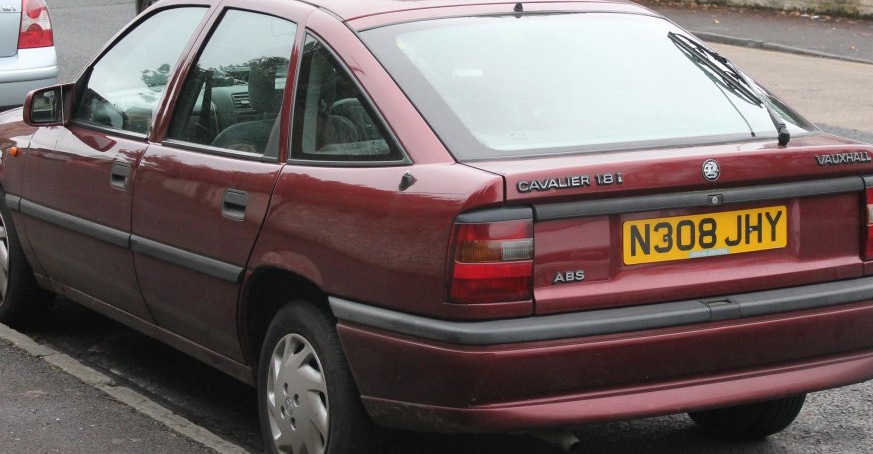
The Vauxhall Cavalier Mk III CC 1.7 TD, produced between 1991 and 1992, represented a fuel-efficient and practical offering within the broader Cavalier Mk III (CC) range. Positioned as an entry-level variant, it catered to buyers prioritizing economy and practicality over outright performance. The Mk III Cavalier, built on the GM410 platform (internally designated as 1HX0/A3), was a significant update to the Cavalier line, offering improved styling, interior space, and mechanical refinements. The 1.7 TD model specifically aimed at the growing diesel market, providing a cost-effective alternative to the gasoline-powered versions.
Powertrain & Engine Architecture
The heart of the Cavalier 1.7 TD was the 17DT engine, a 1.7-liter inline-four cylinder diesel engine. This engine utilized precombustion chamber injection, a system common in European diesel engines of the era. This system involved a small precombustion chamber connected to the main cylinder, where fuel was initially ignited before being transferred to the main combustion chamber for complete burning. This design aided in smoother combustion and reduced engine noise compared to direct injection systems of the time. The engine produced 82 horsepower at 4400 rpm and 168 Nm (123.91 lb-ft) of torque at 2400 rpm. The engine featured an overhead camshaft (OHC) valvetrain with two valves per cylinder. A turbocharger was incorporated to boost power and improve responsiveness, a relatively uncommon feature for diesel engines in this segment during the early 1990s.
The 1.7 TD was exclusively paired with a three-speed automatic transmission. This transmission was a General Motors-sourced unit, designed to provide smooth, if not particularly sporty, gear changes. The automatic transmission was chosen to broaden the appeal of the 1.7 TD, making it more accessible to drivers who preferred the convenience of an automatic over a manual gearbox. The transmission’s gear ratios were optimized for fuel efficiency and low-speed drivability, rather than rapid acceleration.
Engine Specifications
Key engine specifications included a bore of 79mm, a stroke of 86mm, and a compression ratio of 22:1. Engine oil capacity was 4.5 liters (4.76 US quarts / 3.96 UK quarts), and the recommended coolant capacity was 7.4 liters (7.82 US quarts / 6.51 UK quarts). The engine was transversely mounted in the front of the vehicle, driving the front wheels.
Driving Characteristics
The driving experience in the Cavalier 1.7 TD Automatic was characterized by its relaxed and economical nature. Acceleration was modest, with a 0-60 mph time of approximately 13.8 seconds and a 0-100 km/h time of 14.5 seconds. The top speed was rated at 176 km/h (109.36 mph). The three-speed automatic transmission, while providing convenience, limited the engine’s ability to rev freely, resulting in a noticeable lack of urgency when accelerating. Compared to the 2.0-liter gasoline versions of the Cavalier, the 1.7 TD offered significantly less power but a substantial improvement in fuel economy. The turbocharger did provide a noticeable boost in mid-range torque, making overtaking at highway speeds more manageable. However, the engine could feel strained when climbing steep hills or carrying a full load.
Equipment & Trim Levels
The 1.7 TD typically represented the base trim level within the Cavalier Mk III CC range. Standard equipment generally included central locking, power steering, and a basic stereo system. Interior upholstery was typically cloth, and the dashboard featured a functional, if somewhat utilitarian, design. Optional extras available for the 1.7 TD included electric windows, a sunroof, and upgraded stereo systems. Air conditioning was a less common option, often reserved for higher-spec models. The focus was on providing a practical and affordable vehicle, so luxury features were kept to a minimum.
Chassis & Braking
The Cavalier 1.7 TD utilized an independent McPherson strut suspension system at the front, with a coil spring and anti-roll bar. The rear suspension employed a simpler coil spring setup. This suspension configuration provided a reasonable balance between ride comfort and handling. Brakes were disc brakes at the front and drum brakes at the rear. An Anti-lock Braking System (ABS) was often included as standard equipment, enhancing safety. The steering system was a rack and pinion type with hydraulic power assistance, providing relatively light and precise steering feel. The vehicle was equipped with 175/70 R14 tires mounted on 14-inch steel wheels.
Market Reception & Comparison
The Cavalier 1.7 TD Automatic received mixed reviews from automotive critics. While praised for its fuel economy (5.9 l/100 km combined – 39.9 US mpg, 47.9 UK mpg, 16.9 km/l), it was often criticized for its lack of performance. Compared to the 2.0-liter gasoline versions, the 1.7 TD offered significantly less power and a slower driving experience. However, the diesel engine’s superior fuel economy made it an attractive option for drivers covering long distances or prioritizing running costs. The 1.7 TD was generally considered more reliable than some of the more complex gasoline engines in the Cavalier range, although diesel engines of this era could be susceptible to issues with the fuel injection system and turbocharger. The automatic transmission, while convenient, was not known for its durability and could require maintenance over time.
Technical Specifications
| Brand | Vauxhall |
| Model | Cavalier |
| Generation | Cavalier Mk III CC |
| Type (Engine) | 1.7 TD (82 Hp) |
| Start of production | 1991 |
| End of production | 1992 |
| Body type | Hatchback |
| Seats | 5 |
| Doors | 5 |
| Fuel consumption (combined) | 5.9 l/100 km |
| Fuel consumption (US mpg) | 39.9 US mpg |
| Fuel consumption (UK mpg) | 47.9 UK mpg |
| Fuel Type | Diesel |
| Acceleration 0 – 100 km/h | 14.5 sec |
| Acceleration 0 – 62 mph | 14.5 sec |
| Acceleration 0 – 60 mph | 13.8 sec |
| Maximum speed | 176 km/h (109.36 mph) |
| Power | 82 Hp @ 4400 rpm |
| Torque | 168 Nm @ 2400 rpm (123.91 lb.-ft. @ 2400 rpm) |
| Engine layout | Front, Transverse |
| Engine Model/Code | 17DT |
| Engine displacement | 1686 cm3 (102.89 cu. in.) |
| Number of cylinders | 4 |
| Engine configuration | Inline |
| Cylinder Bore | 79 mm (3.11 in.) |
| Piston Stroke | 86 mm (3.39 in.) |
| Compression ratio | 22:1 |
| Number of valves per cylinder | 2 |
| Fuel injection system | Precombustion chamber injection |
| Engine aspiration | Turbocharger |
| Valvetrain | OHC |
| Kerb Weight | 1184 kg (2610.27 lbs.) |
| Max. weight | 1650 kg (3637.63 lbs.) |
| Trunk (boot) space – minimum | 460 l (16.24 cu. ft.) |
| Trunk (boot) space – maximum | 1290 l (45.56 cu. ft.) |
| Fuel tank capacity | 61 l (16.11 US gal | 13.42 UK gal) |
| Length | 4352 mm (171.34 in.) |
| Width | 1706 mm (67.17 in.) |
| Height | 1400 mm (55.12 in.) |
| Wheelbase | 2600 mm (102.36 in.) |
Legacy
The Cavalier 1.7 TD Automatic, while not a performance icon, holds a place in automotive history as a practical and economical option for buyers in the early 1990s. The 17DT engine, while relatively simple in design, proved to be reasonably durable, and many examples are still on the road today. However, age and mileage inevitably take their toll, and common issues include wear in the fuel injection system, turbocharger failure, and corrosion. On the used car market, the Cavalier 1.7 TD is typically valued for its affordability and fuel efficiency, making it a popular choice for budget-conscious buyers or those seeking a classic car experience. Its relatively simple mechanicals also make it an attractive option for DIY mechanics. The model represents a snapshot of a time when diesel engines were gaining popularity in Europe, offering a compelling alternative to gasoline power for those prioritizing economy and practicality.