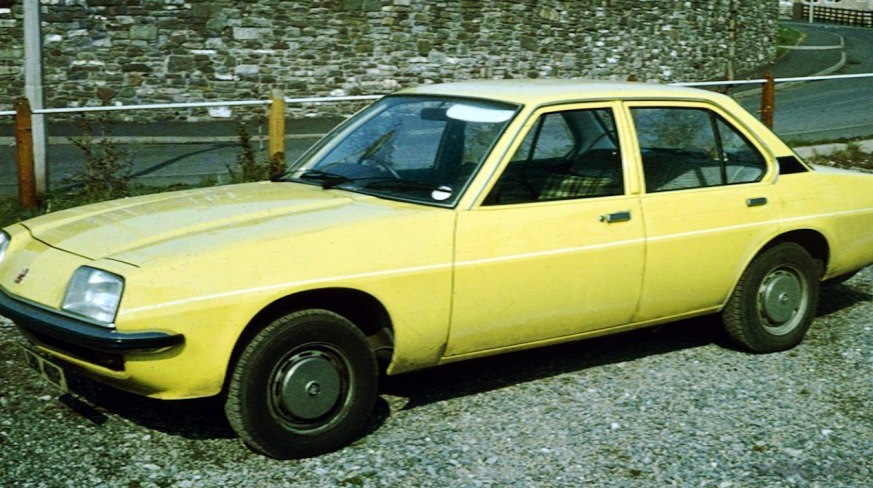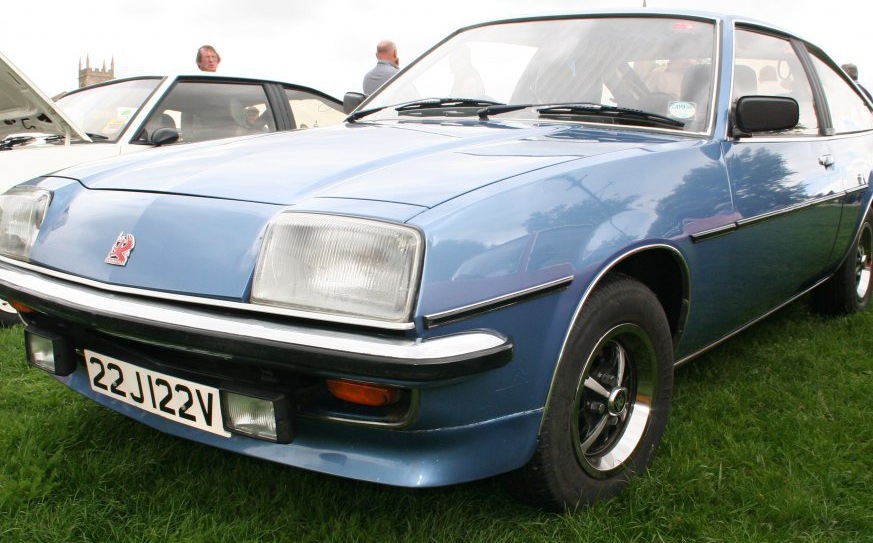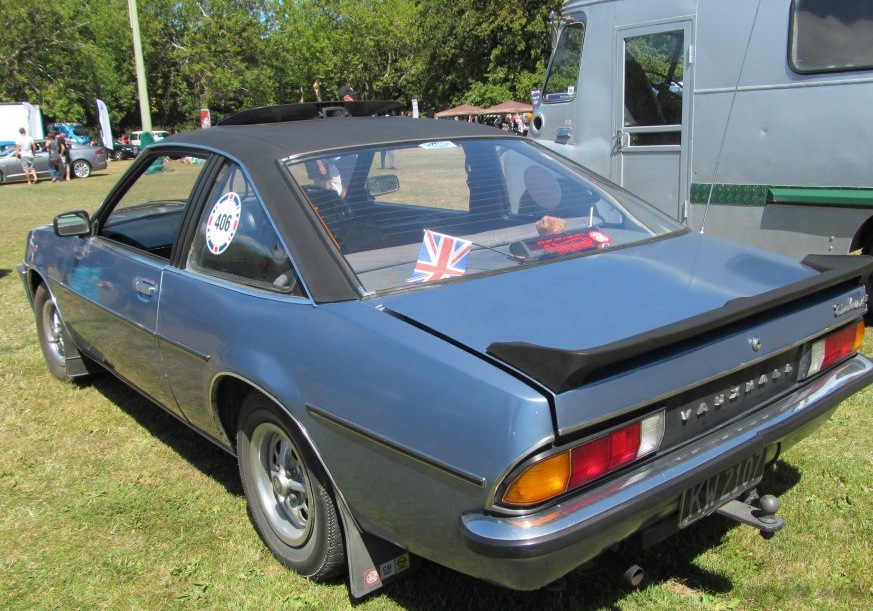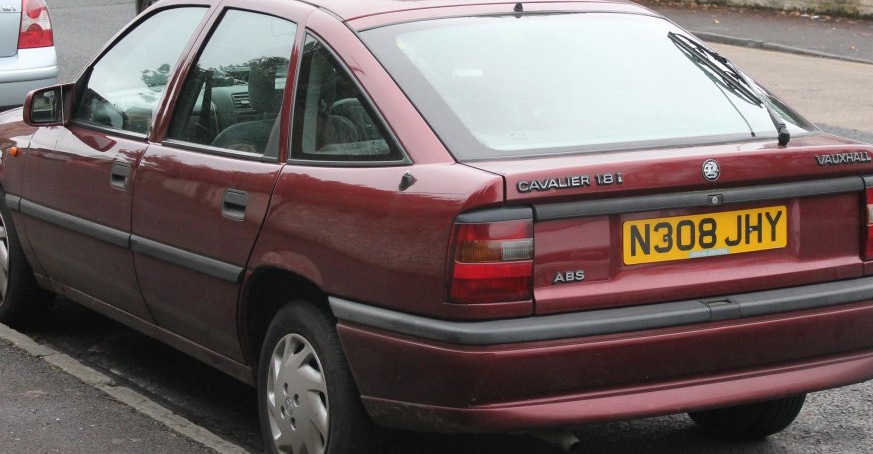
The Vauxhall Cavalier Mk III CC 1.8i CAT (90 hp) was a popular family car produced between 1990 and 1992. Representing a key variant within the Mk III Cavalier range (internally designated as the ‘CC’ or Coupé/Commodore), this model offered a balance of affordability and practicality. It occupied the entry to mid-level position in the lineup, appealing to buyers seeking economical transportation without sacrificing space or comfort. The Mk III Cavalier, built on the GM410 platform (also known as the 1HX0/A3 platform shared with the Opel Vectra A), was a significant redesign from its predecessor, offering improved aerodynamics and a more modern interior.
Powertrain & Engine Architecture
The heart of the 1.8i CAT was the C18NZ engine, an 1,796 cc (109.6 cubic inches) inline-four cylinder gasoline engine. This engine was a mainstay of Vauxhall and Opel vehicles during the late 1980s and early 1990s. The ‘NZ’ designation indicated a specific engine specification optimized for catalytic converter compatibility – hence the ‘CAT’ in the model name. It featured a single-point fuel injection system (throttle body injection), which was a relatively simple and cost-effective technology for the time. This system delivered fuel into the intake manifold rather than directly into the cylinders, as seen in more advanced multi-point injection systems.
The engine employed an overhead camshaft (OHC) valvetrain with two valves per cylinder. The bore and stroke dimensions were 84.8 mm (3.34 inches) and 79.5 mm (3.13 inches) respectively, resulting in a compression ratio of 9.2:1. Lubrication was provided by a 4-liter (4.23 US quarts) oil capacity, requiring an oil specification appropriate for the period. The engine produced 90 horsepower (hp) at 5,400 rpm and 145 Newton-meters (106.95 lb-ft) of torque at 3,000 rpm. The engine was transversely mounted in the front of the vehicle.
Crucially, the 1.8i CAT was typically paired with a three-speed automatic transmission. This transmission, while providing ease of use, was a key differentiator from the more common five-speed manual gearbox offered with other engine options. The automatic transmission’s gear ratios were geared towards fuel efficiency and smooth cruising rather than outright performance.
Automatic Transmission Details
The automatic transmission used in the Cavalier 1.8i CAT was a GM-sourced unit, known for its reliability but also its relatively conservative gearing. First gear was designed for smooth take-off, while third gear was intended for sustained highway speeds. The lack of an overdrive gear meant that engine speeds were higher at cruising speeds compared to later automatic transmissions, impacting fuel economy. The transmission was hydraulically controlled, lacking the electronic control systems found in more modern automatics.
Driving Characteristics
The 1.8i CAT automatic offered a comfortable, if not particularly exciting, driving experience. Acceleration from 0 to 60 mph took approximately 11.9 seconds, and 0-100 km/h in 12.5 seconds. The top speed was around 113.71 mph (183 km/h). The automatic transmission smoothed out power delivery, but also resulted in a noticeable loss of responsiveness compared to the manual transmission versions of the 1.8L engine. The relatively long gearing of the automatic meant that the engine often felt strained when attempting quick overtaking maneuvers.
The car’s weight of 1,124 kg (2,478 lbs) contributed to its moderate performance. While the 1.8L engine provided adequate power for everyday driving, it lacked the punch of the larger 2.0L and V6 engines available in the Cavalier range. The suspension, tuned for comfort, provided a reasonably smooth ride, but didn’t offer the sporty handling characteristics of the SR or GSi models.
Equipment & Trim Levels
The 1.8i CAT automatic typically came with a reasonable level of standard equipment. This included central locking, electric front windows, and a basic stereo system. Interior upholstery was typically cloth, with a relatively simple dashboard layout. Optional extras included a sunroof, upgraded stereo systems, and alloy wheels. The trim level was generally considered to be a step up from the base ‘L’ trim, offering a more comfortable and refined interior.
Safety features were relatively basic by modern standards, consisting primarily of an anti-lock braking system (ABS) as an optional extra. Airbags were not standard equipment on this model. The car featured a five-door hatchback body style, providing good access to the rear seats and a practical cargo area.
Chassis & Braking
The Cavalier Mk III CC utilized an independent McPherson strut suspension system at the front, with a coil spring and anti-roll bar. The rear suspension employed a simple coil spring setup. This configuration provided a comfortable ride, but wasn’t particularly sporty. The front brakes were ventilated discs, offering good stopping power, while the rear brakes were drum brakes, a cost-saving measure common on entry-level models. The steering was a rack and pinion system with hydraulic power assistance, providing light and easy steering.
The car rode on 175/70 R14 tires mounted on 14-inch steel wheels. The tires provided adequate grip for everyday driving conditions. The wheelbase measured 2,600 mm (102.36 inches), contributing to the car’s stable handling.
Market Reception & Comparison
The Cavalier 1.8i CAT automatic was generally well-received as a practical and affordable family car. Critics praised its spacious interior, comfortable ride, and reasonable fuel economy (7.6 l/100 km, 30.9 US mpg). However, it was often criticized for its lack of performance and the somewhat dated technology of the single-point fuel injection system and three-speed automatic transmission. Compared to the manual transmission versions of the 1.8L engine, the automatic offered significantly reduced performance and slightly worse fuel economy.
The 2.0L versions of the Cavalier offered a noticeable performance upgrade, while the V6 models provided significantly more power. The 1.9 TDI diesel version offered superior fuel economy but lacked the refinement of the gasoline engines. The 1.8i CAT automatic appealed to buyers who prioritized comfort and ease of use over outright performance.
Technical Specifications
| Brand | Vauxhall |
| Model | Cavalier |
| Generation | Cavalier Mk III CC |
| Type (Engine) | 1.8i CAT (90 Hp) |
| Start of production | 1990 |
| End of production | 1992 |
| Powertrain Architecture | Internal Combustion engine |
| Body type | Hatchback |
| Seats | 5 |
| Doors | 5 |
| Fuel consumption (combined) | 7.6 l/100 km |
| Fuel consumption (US mpg) | 30.9 US mpg |
| Fuel consumption (UK mpg) | 37.2 UK mpg |
| Fuel Type | Petrol (Gasoline) |
| Acceleration 0 – 100 km/h | 12.5 sec |
| Acceleration 0 – 62 mph | 12.5 sec |
| Acceleration 0 – 60 mph | 11.9 sec |
| Maximum speed | 183 km/h (113.71 mph) |
| Weight-to-power ratio | 12.5 kg/Hp |
| Power | 90 Hp @ 5400 rpm |
| Torque | 145 Nm @ 3000 rpm (106.95 lb.-ft. @ 3000 rpm) |
| Engine layout | Front, Transverse |
| Engine Model/Code | C18NZ |
| Engine displacement | 1796 cm3 (109.6 cu. in.) |
| Number of cylinders | 4 |
| Engine configuration | Inline |
| Cylinder Bore | 84.8 mm (3.34 in.) |
| Piston Stroke | 79.5 mm (3.13 in.) |
| Compression ratio | 9.2:1 |
| Number of valves per cylinder | 2 |
| Fuel injection system | Single-point injection |
| Engine aspiration | Naturally aspirated |
| Engine oil capacity | 4 l (4.23 US qt | 3.52 UK qt) |
| Kerb Weight | 1124 kg (2478 lbs.) |
| Max. weight | 1630 kg (3593.53 lbs.) |
| Trunk (boot) space – minimum | 460 l (16.24 cu. ft.) |
| Trunk (boot) space – maximum | 1290 l (45.56 cu. ft.) |
| Fuel tank capacity | 61 l (16.11 US gal | 13.42 UK gal) |
| Length | 4352 mm (171.34 in.) |
| Width | 1706 mm (67.17 in.) |
| Height | 1400 mm (55.12 in.) |
| Wheelbase | 2600 mm (102.36 in.) |
| Tires size | 175/70 R14 |
| Number of gears and type of gearbox | 3 gears, automatic transmission |
Legacy
The Vauxhall Cavalier 1.8i CAT automatic, while not the most exciting variant in the range, proved to be a reliable and practical family car. The C18NZ engine, when properly maintained, is known for its durability. Today, these cars are relatively rare, and well-maintained examples are sought after by classic car enthusiasts. The three-speed automatic transmission, while dated, is generally reliable, but parts availability can be limited. The car represents a snapshot of early 1990s family car design and technology, and remains a popular choice for those seeking a nostalgic and affordable classic.