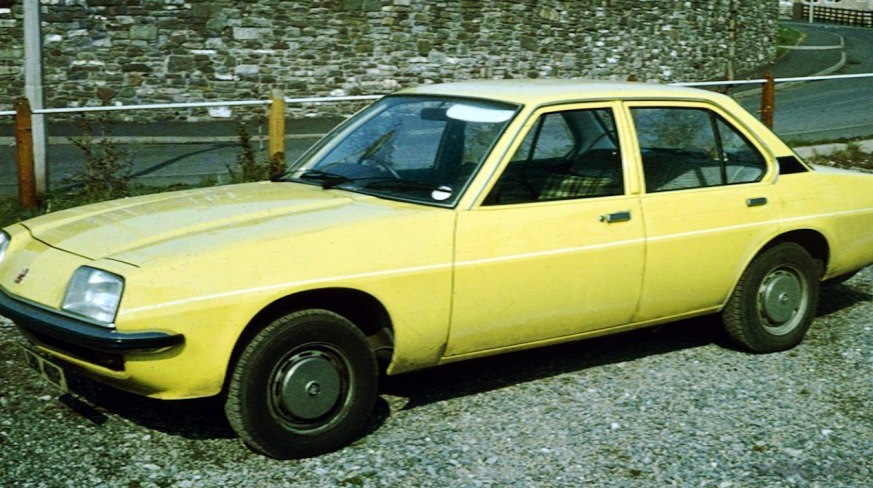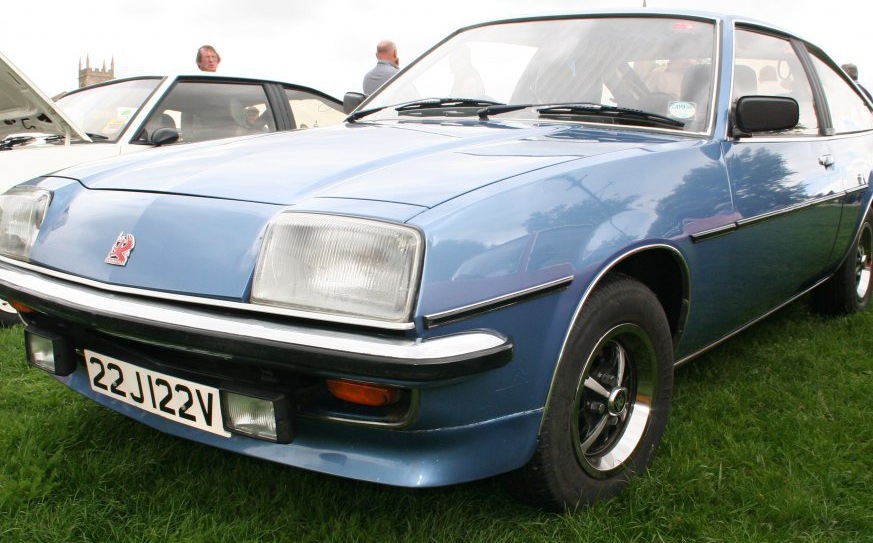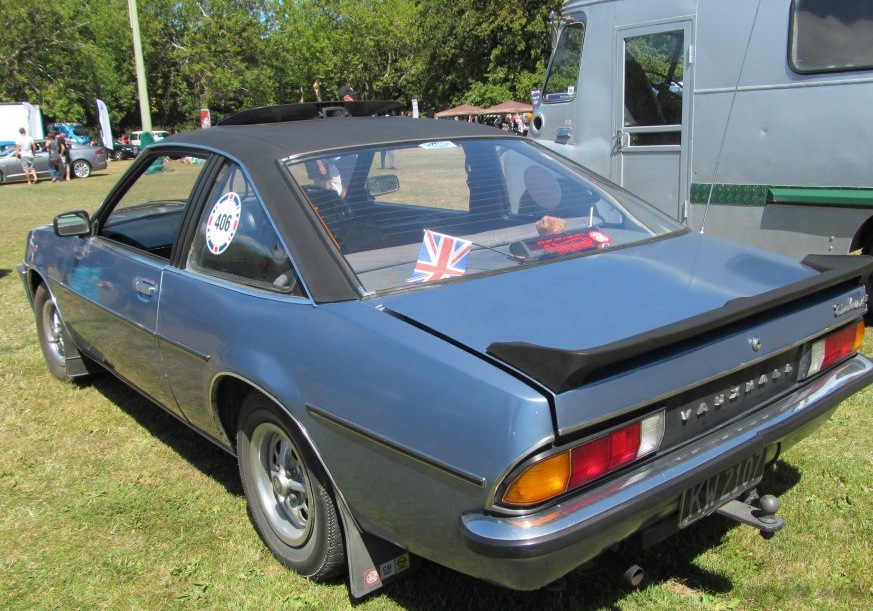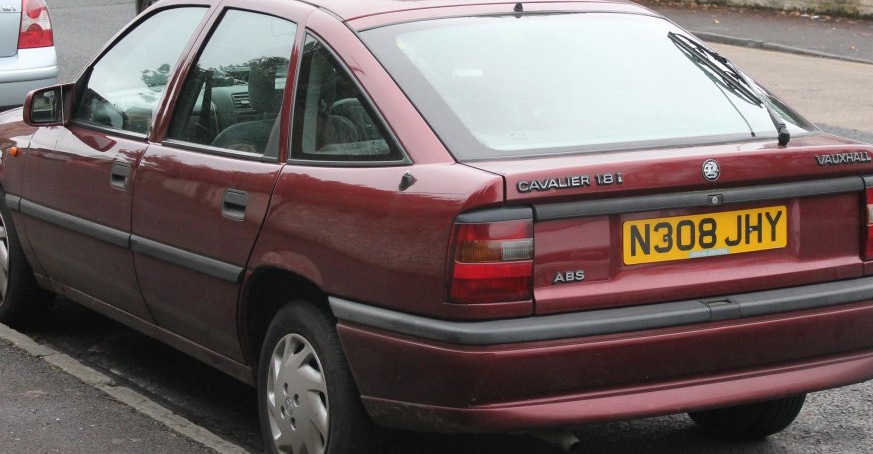
The Vauxhall Cavalier Mk III CC 2.0 SRi was a performance-oriented variant of the Mk III Cavalier, produced between 1988 and 1989. Positioned as a sporty trim level within the CC (Coupe/Cavalier) range, the 2.0 SRi aimed to offer a more engaging driving experience than the standard models. It was part of the larger Mk III Cavalier lineup, which itself was based on the 1HX0/A3 platform shared with other General Motors vehicles like the Opel Ascona and Opel Vectra. The SRi trim represented a step up in both performance and equipment compared to the base models, though it wasn’t the most luxurious offering – that role was filled by higher-spec variants.
Powertrain & Engine Architecture
The heart of the Cavalier 2.0 SRi was the 20SEH engine, a 1998 cc (121.93 cu. in.) inline-four cylinder gasoline engine. This engine produced 129 horsepower (Hp) at 5200 rpm and 180 Newton-meters (132.76 lb.-ft.) of torque at 2600 rpm. The engine featured multi-port fuel injection, a relatively advanced system for its time, contributing to improved fuel efficiency and throttle response. The cylinder bore and piston stroke were both 86 mm (3.39 in.), resulting in a compression ratio of 9.2:1. The valvetrain employed an overhead camshaft (OHC) design with two valves per cylinder. The 20SEH was known for its relative durability and straightforward maintenance requirements.
The engine was transversely mounted in the front of the vehicle, driving the front wheels. The SRi was exclusively offered with a five-speed manual transmission, providing drivers with full control over the engine’s power delivery. This transmission was chosen to complement the sporty nature of the SRi trim, offering precise shifts and a more connected driving experience. The engine oil capacity was 4 liters (4.23 US qt | 3.52 UK qt), and the coolant capacity was 7.2 liters (7.61 US qt | 6.34 UK qt).
Driving Characteristics
The Cavalier 2.0 SRi offered a noticeable performance improvement over the lower-powered variants. The 129 hp engine, coupled with the five-speed manual transmission, allowed for brisk acceleration and a top speed of 206 km/h (128 mph). The weight-to-power ratio of 9.7 kg/Hp and a weight-to-torque ratio of 6.9 kg/Nm contributed to a responsive feel. The five-speed gearbox allowed drivers to keep the engine in its optimal power band, maximizing acceleration. While not a sports car, the SRi provided a satisfying driving experience for its time, particularly for those seeking a more engaging alternative to the base models.
Compared to the lower-powered 1.6-liter engines available in other Cavalier trims, the 2.0 SRi offered significantly more torque, making it more comfortable for highway cruising and overtaking maneuvers. It lacked the refinement and outright performance of larger-engined rivals, but it represented a good balance of performance and affordability.
Equipment & Trim Levels
The SRi trim level included several features designed to enhance the driving experience and differentiate it from the standard Cavalier models. Standard equipment typically included a sports-tuned suspension, alloy wheels, and a more aggressive body kit. The interior featured upgraded upholstery, often with a sporty pattern, and a more comprehensive instrument cluster. Power steering was standard, providing easier maneuverability.
Optional extras available for the 2.0 SRi included electric windows, central locking, and a sunroof. The SRi trim was generally well-equipped for its price point, offering a good level of comfort and convenience alongside its performance enhancements. The dashboard configuration was typical of the Mk III Cavalier, with a functional layout and clear instrumentation.
Chassis & Braking
The Cavalier 2.0 SRi utilized an independent McPherson strut suspension system at the front, with a coil spring and anti-roll bar for improved handling. The rear suspension employed a coil spring setup. This suspension configuration provided a good balance between ride comfort and handling performance. The SRi trim often featured a slightly stiffer suspension setup compared to the standard models, further enhancing its handling characteristics.
Braking duties were handled by ventilated discs at the front and discs at the rear. An Anti-lock Braking System (ABS) was included as standard equipment, improving braking performance and safety, particularly in adverse conditions. The steering system was a rack and pinion type with hydraulic power assistance, providing precise steering feel and reducing driver effort. The vehicle was equipped with 175/70 R14 tires mounted on 14-inch wheel rims.
Market Reception & Comparison
The Vauxhall Cavalier 2.0 SRi was generally well-received by automotive critics as a capable and affordable performance car. It was praised for its lively engine, responsive handling, and good value for money. However, some critics noted that the interior was somewhat basic compared to rivals and that the ride could be firm on rough roads.
In terms of fuel economy, the 2.0 SRi offered a combined fuel consumption of 7.1 l/100 km (33.1 US mpg, 39.8 UK mpg, 14.1 km/l). This was comparable to other 2.0-liter cars of the era. Reliability was generally good, with the 20SEH engine proving to be a durable unit. Compared to the lower-powered Cavalier trims, the 2.0 SRi offered a significant performance upgrade, making it a popular choice for drivers who wanted a more engaging driving experience. It competed with other sporty hatchbacks of the time, such as the Ford Escort XR3i and the Volkswagen Golf GTI.
Technical Specifications
| Brand | Vauxhall |
| Model | Cavalier |
| Generation | Cavalier Mk III CC |
| Type (Engine) | 2.0 SRi (129 Hp) |
| Start of production | 1988 |
| End of production | 1989 |
| Powertrain Architecture | Internal Combustion engine |
| Body type | Hatchback |
| Seats | 5 |
| Doors | 5 |
| Fuel consumption (urban) | 10.3 l/100 km (22.8 US mpg, 27.4 UK mpg, 9.7 km/l) |
| Fuel consumption (extra urban) | 5.6 l/100 km (42 US mpg, 50.4 UK mpg, 17.9 km/l) |
| Fuel consumption (combined) | 7.1 l/100 km (33.1 US mpg, 39.8 UK mpg, 14.1 km/l) |
| Fuel Type | Petrol (Gasoline) |
| Maximum speed | 206 km/h (128 mph) |
| Weight-to-power ratio | 9.7 kg/Hp |
| Weight-to-torque ratio | 6.9 kg/Nm |
| Power | 129 Hp @ 5200 rpm |
| Power per litre | 64.6 Hp/l |
| Torque | 180 Nm @ 2600 rpm (132.76 lb.-ft. @ 2600 rpm) |
| Engine layout | Front, Transverse |
| Engine Model/Code | 20SEH |
| Engine displacement | 1998 cm3 (121.93 cu. in.) |
| Number of cylinders | 4 |
| Engine configuration | Inline |
| Cylinder Bore | 86 mm (3.39 in.) |
| Piston Stroke | 86 mm (3.39 in.) |
| Compression ratio | 9.2:1 |
| Number of valves per cylinder | 2 |
| Fuel injection system | Multi-port manifold injection |
| Engine aspiration | Naturally aspirated engine |
| Valvetrain | OHC |
| Engine oil capacity | 4 l (4.23 US qt | 3.52 UK qt) |
| Coolant | 7.2 l (7.61 US qt | 6.34 UK qt) |
| Kerb Weight | 1245 kg (2744.76 lbs.) |
| Max. weight | 1750 kg (3858.09 lbs.) |
| Max load | 505 kg (1113.33 lbs.) |
| Trunk (boot) space – minimum | 460 l (16.24 cu. ft.) |
| Trunk (boot) space – maximum | 1290 l (45.56 cu. ft.) |
| Fuel tank capacity | 61 l (16.11 US gal | 13.42 UK gal) |
| Length | 4352 mm (171.34 in.) |
| Width | 1706 mm (67.17 in.) |
| Height | 1400 mm (55.12 in.) |
| Wheelbase | 2600 mm (102.36 in.) |
| Front track | 1420 mm (55.91 in.) |
| Rear (Back) track | 1423 mm (56.02 in.) |
| Drivetrain Architecture | Front wheel drive |
| Number of gears and type of gearbox | 5 gears, manual transmission |
| Front suspension | Independent, type McPherson with coil spring and anti-roll bar |
| Rear suspension | Coil spring |
| Front brakes | Ventilated discs |
| Rear brakes | Disc |
| Assisting systems | ABS (Anti-lock braking system) |
| Steering type | Steering rack and pinion |
| Power steering | Hydraulic Steering |
| Tires size | 175/70 R14 |
| Wheel rims size | 14 |
Legacy
The Vauxhall Cavalier 2.0 SRi remains a fondly remembered car among enthusiasts. The 20SEH engine, while not particularly powerful by modern standards, proved to be reliable and relatively easy to maintain. Today, well-maintained examples are sought after by classic car collectors and those looking for a nostalgic driving experience. Parts availability is generally good, although some trim-specific items can be difficult to find. The Cavalier 2.0 SRi represents a significant chapter in British automotive history, offering a blend of performance, affordability, and practicality that appealed to a wide range of drivers.