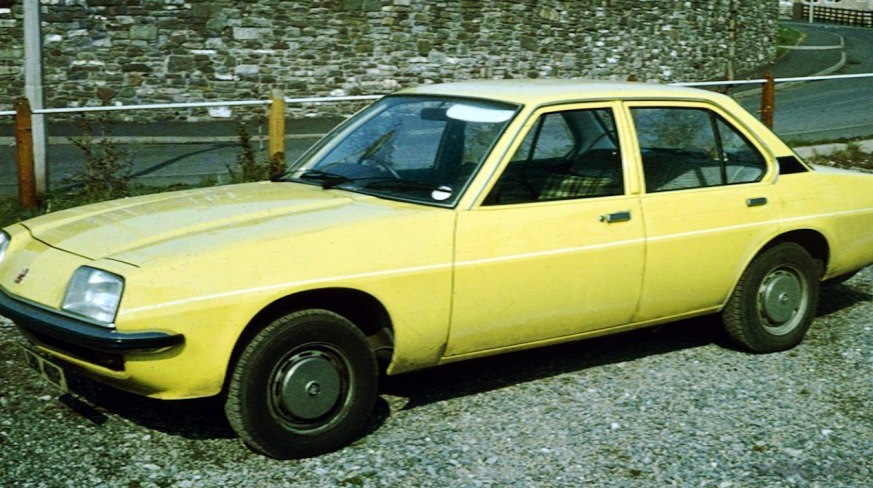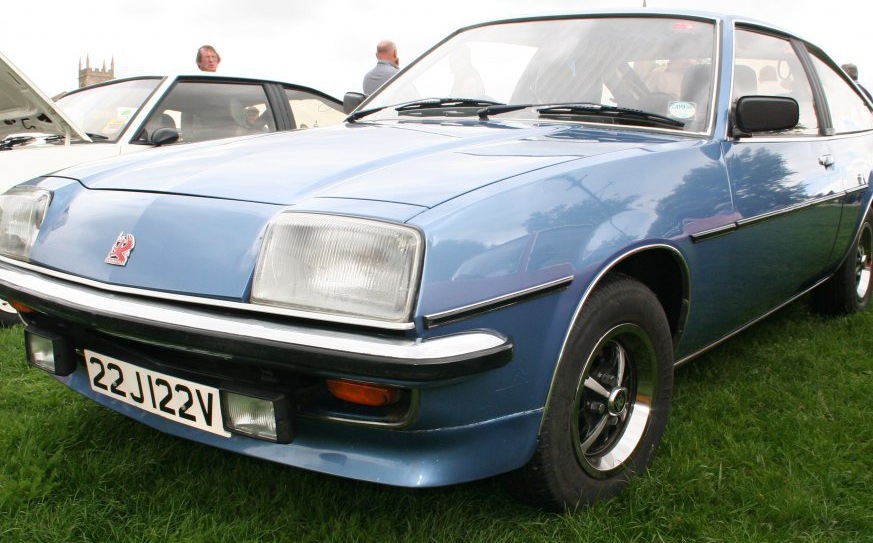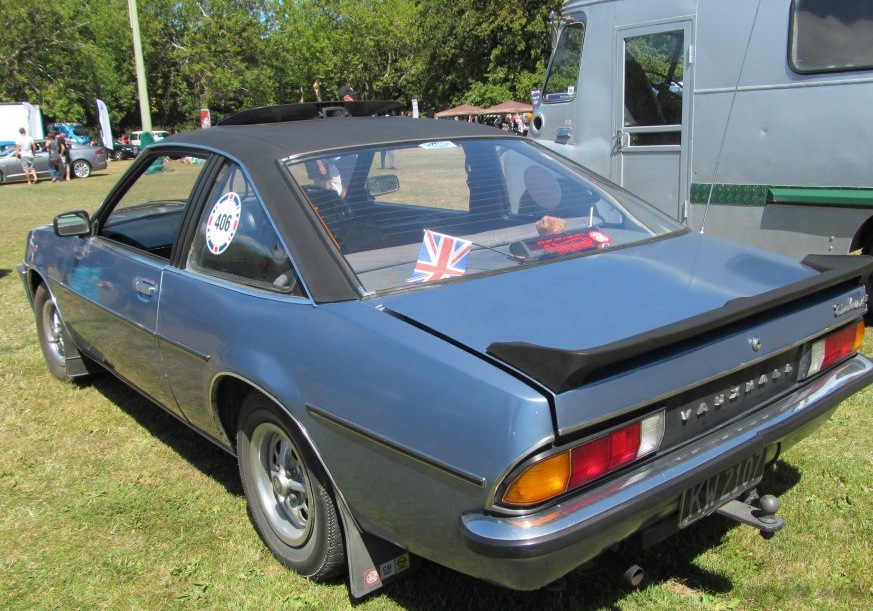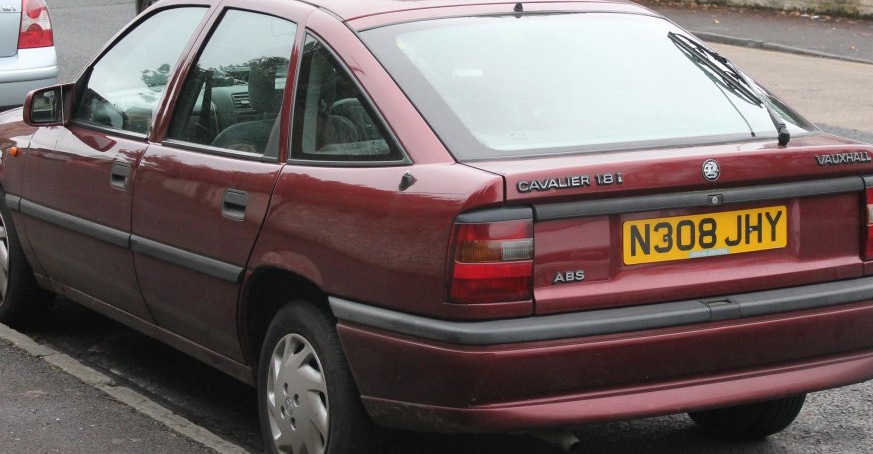
The Vauxhall Cavalier Mk III CC 2.0i (115 hp) was a variant of the popular Cavalier, produced between 1988 and 1989. This model represented a mid-range offering within the Mk III Cavalier lineup, positioned above the base models with smaller engines and below the more performance-oriented versions. The Mk III Cavalier, internally designated as the 88/89 model year, was a significant update to the Cavalier range, building upon the success of its predecessors and offering a more modern design and improved features. It was part of the broader “C” platform family shared with other General Motors (GM) vehicles of the era, including the Opel Ascona and later the Opel Vectra.
Powertrain & Engine Architecture
The 2.0i variant was powered by the 20NE engine, a 1998 cc (121.93 cu. in.) inline-four cylinder gasoline engine. This engine featured multi-port fuel injection, a significant advancement over the carbureted engines found in earlier Cavalier models. The 20NE engine produced 115 hp at 4000 rpm and 170 Nm (125.39 lb-ft) of torque at 2600 rpm. It utilized a single overhead camshaft (OHC) valvetrain with two valves per cylinder. The engine’s bore and stroke were both 86 mm (3.39 in), resulting in a compression ratio of 9.2:1. The engine was transversely mounted in the front of the vehicle.
The 2.0i was typically paired with a five-speed manual transmission, however, an optional three-speed automatic transmission was available. This automatic transmission was a GM-sourced unit, known for its reliability but also for its relatively conservative gear ratios. The automatic transmission contributed to a slightly slower acceleration time compared to the manual version, but offered increased convenience for drivers.
Engine Specifications
Key engine specifications included a 4-liter (4.23 US qt) engine oil capacity, utilizing an oil specification relevant to the late 1980s. The cooling system required 7.2 liters (7.61 US qt) of coolant. The engine was designed for unleaded gasoline.
Driving Characteristics
The 2.0i Cavalier offered a balanced driving experience. With 115 hp, it provided adequate performance for everyday driving, though it wasn’t considered a particularly sporty model. Acceleration from 0 to 62 mph (0-100 km/h) took approximately 10.5 seconds, and the car had a top speed of around 123 mph (198 km/h). The automatic transmission, while convenient, resulted in slightly slower acceleration times and a less engaging driving experience compared to the five-speed manual. The gear ratios were optimized for fuel efficiency and smooth cruising rather than outright performance.
The car’s weight-to-power ratio was 10.1 kg/hp, and the weight-to-torque ratio was 6.8 kg/Nm. This meant the car felt reasonably responsive, but lacked the punch of the more powerful variants. Handling was generally considered safe and predictable, but not particularly dynamic. The suspension setup prioritized comfort over sporty handling.
Equipment & Trim Levels
The 2.0i Cavalier typically came with a reasonable level of standard equipment for its time. This included features such as power steering, central locking, and electric windows. Interior upholstery was typically cloth, with a relatively simple dashboard layout. Optional extras included a sunroof, upgraded stereo systems, and alloy wheels. The trim level often dictated the quality of the interior materials and the availability of certain features. The 2.0i model often served as a base for adding optional packages, allowing buyers to customize their vehicle to a certain extent.
Chassis & Braking
The Cavalier Mk III CC utilized an independent McPherson strut suspension system at the front, with a coil spring and anti-roll bar. The rear suspension employed a coil spring setup. This suspension configuration provided a comfortable ride, but wasn’t particularly sophisticated. The braking system consisted of ventilated discs at the front and discs at the rear. An Anti-lock Braking System (ABS) was available as an option, enhancing safety by preventing wheel lockup during hard braking. The steering system was a rack and pinion type with hydraulic power assistance, providing relatively light and precise steering.
The car rode on 175/70 R14 tires mounted on 14-inch steel wheels, although alloy wheels were available as an optional upgrade.
Market Reception & Comparison
The 2.0i Cavalier was generally well-received by automotive critics as a practical and reliable family car. It offered a good balance of performance, fuel economy (7.1 l/100 km combined, equivalent to 33.1 US mpg), and comfort. However, it wasn’t considered a particularly exciting or sporty vehicle. Compared to the smaller-engined models, the 2.0i offered a noticeable improvement in performance, making it a more suitable choice for drivers who frequently traveled on motorways or carried passengers and luggage. Compared to the more powerful variants, such as the 2.0i 129 hp version, the 115 hp model offered a more affordable entry point into the 2.0-liter engine range.
The 2.0i automatic transmission variant was often criticized for its relatively slow acceleration and lack of responsiveness compared to the manual transmission version. However, it remained a popular choice for drivers who preferred the convenience of an automatic gearbox.
Technical Specifications
| Brand | Vauxhall |
| Model | Cavalier |
| Generation | Cavalier Mk III CC |
| Type (Engine) | 2.0i (115 Hp) |
| Start of production | 1988 |
| End of production | 1989 |
| Body type | Hatchback |
| Seats | 5 |
| Doors | 5 |
| Fuel consumption (combined) | 7.1 l/100 km |
| Fuel consumption (US mpg) | 33.1 |
| Fuel consumption (UK mpg) | 39.8 |
| Fuel Type | Petrol (Gasoline) |
| Acceleration 0 – 100 km/h | 10.5 sec |
| Acceleration 0 – 62 mph | 10.5 sec |
| Acceleration 0 – 60 mph | 10 sec |
| Maximum speed | 198 km/h (123.03 mph) |
| Weight-to-power ratio | 10.1 kg/Hp |
| Weight-to-torque ratio | 6.8 kg/Nm |
| Power | 115 Hp @ 4000 rpm |
| Torque | 170 Nm @ 2600 rpm (125.39 lb.-ft. @ 2600 rpm) |
| Engine layout | Front, Transverse |
| Engine Model/Code | 20NE |
| Engine displacement | 1998 cm3 (121.93 cu. in.) |
| Number of cylinders | 4 |
| Engine configuration | Inline |
| Cylinder Bore | 86 mm (3.39 in.) |
| Piston Stroke | 86 mm (3.39 in.) |
| Compression ratio | 9.2:1 |
| Number of valves per cylinder | 2 |
| Fuel injection system | Multi-port manifold injection |
| Engine aspiration | Naturally aspirated |
| Valvetrain | OHC |
| Engine oil capacity | 4 l (4.23 US qt | 3.52 UK qt) |
| Coolant capacity | 7.2 l (7.61 US qt | 6.34 UK qt) |
| Kerb Weight | 1159 kg (2555.16 lbs.) |
| Max. weight | 1670 kg (3681.72 lbs.) |
| Max load | 511 kg (1126.56 lbs.) |
| Trunk (boot) space – minimum | 460 l (16.24 cu. ft.) |
| Trunk (boot) space – maximum | 1290 l (45.56 cu. ft.) |
| Fuel tank capacity | 61 l (16.11 US gal | 13.42 UK gal) |
| Length | 4352 mm (171.34 in.) |
| Width | 1706 mm (67.17 in.) |
| Height | 1400 mm (55.12 in.) |
| Wheelbase | 2600 mm (102.36 in.) |
| Front track | 1426 mm (56.14 in.) |
| Rear track | 1426 mm (56.14 in.) |
| Drive wheel | Front wheel drive |
| Number of gears | 5 (manual) / 3 (automatic) |
| Front brakes | Ventilated discs |
| Rear brakes | Disc |
| Tires size | 175/70 R14 |
Legacy
The 2.0i Cavalier Mk III CC, while not the most sought-after variant today, remains a relatively common sight on the used car market. The 20NE engine is known for its durability and reliability, provided it has been properly maintained. However, like all vehicles of this age, it is susceptible to corrosion and age-related issues. The automatic transmission, while reliable, may exhibit signs of wear and tear after many years of use. Overall, the 2.0i Cavalier represents a solid and dependable choice for enthusiasts seeking a classic 1980s family car.