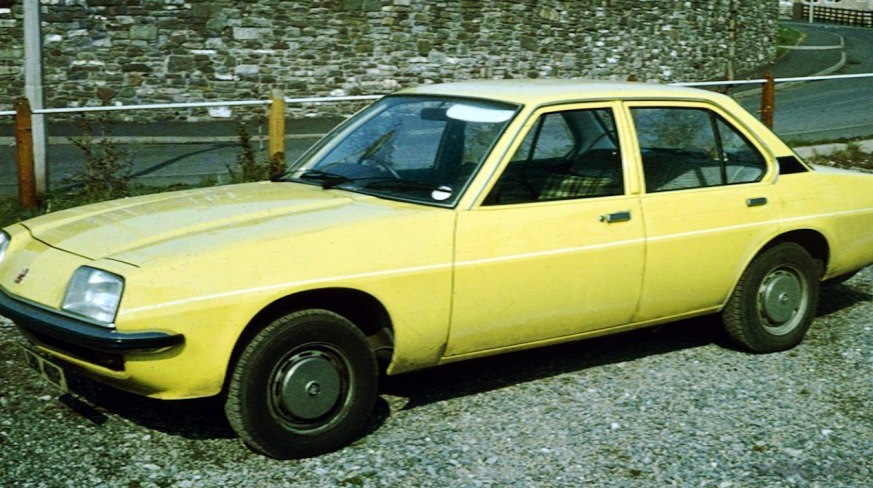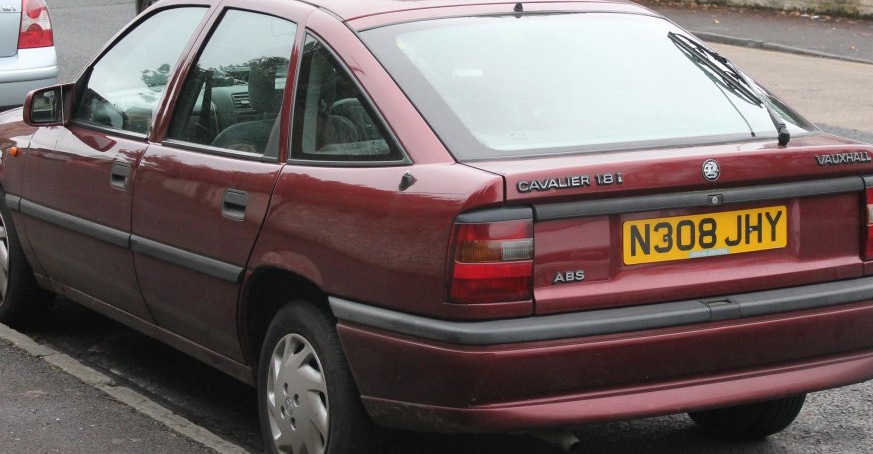
The Vauxhall Cavalier Mk III CC 2.0i 4×4, produced between 1988 and 1989, represented a relatively rare and well-equipped variant within the broader Cavalier Mk III (also known as the Opel Vectra A in some markets) range. This model, built on the GM X18 platform, aimed to offer a blend of practicality, performance, and all-weather capability, appealing to buyers seeking a more sophisticated and capable family car. It occupied a premium position in the lineup, positioned above the base models and often serving as a stepping stone to the more powerful, but less practical, SRi and GSi trims.
Powertrain & Engine Architecture
The heart of the Cavalier Mk III CC 2.0i 4×4 was the 20NE engine, a 1,998 cc (121.93 cu. in.) inline-four cylinder gasoline engine. This engine produced 115 horsepower (hp) at 5,400 rpm and 170 Nm (125.39 lb-ft) of torque at 2,600 rpm. The 20NE featured multi-port fuel injection, a significant advancement over earlier Cavalier engines, contributing to improved fuel efficiency and smoother power delivery. The engine utilized an overhead camshaft (OHC) valvetrain with two valves per cylinder. The compression ratio was set at 9.2:1. Engine oil capacity was 4 liters (4.23 US qt | 3.52 UK qt), and coolant capacity was 7.2 liters (7.61 US qt | 6.34 UK qt).
The 20NE engine was known for its relative reliability, although regular maintenance was crucial. Common issues included potential oil leaks from the valve cover gasket and, in some cases, wear in the timing chain tensioner. The engine’s transverse mounting within the front-wheel-drive-based chassis contributed to a compact engine bay layout.
The 2.0i 4×4 was exclusively offered with a five-speed manual transmission. This gearbox was chosen to handle the increased torque output and provide drivers with greater control over the all-wheel-drive system. The transmission was a standard, fully synchronized unit, offering a relatively direct and engaging driving experience.
All-Wheel Drive System
The “4×4” designation indicates the presence of a viscous coupling all-wheel-drive system. This system was not a permanent all-wheel drive; instead, it operated primarily in front-wheel drive under normal conditions. When wheel slip was detected at the front wheels, the viscous coupling engaged, transferring torque to the rear wheels, providing enhanced traction. This system was relatively simple and robust, but it wasn’t as sophisticated as later electronically controlled all-wheel-drive systems. The system added significant weight to the vehicle, impacting handling and fuel economy.
Driving Characteristics
The Cavalier Mk III CC 2.0i 4×4 offered a noticeable improvement in acceleration and handling compared to the lower-powered 1.6L and 1.8L variants. The 0-62 mph (0-100 km/h) time was approximately 11 seconds, and the car could achieve a top speed of around 119.3 mph (192 km/h). While not a sports car, the 2.0i 4×4 provided adequate performance for everyday driving and longer journeys. The all-wheel-drive system significantly enhanced grip, particularly on slippery surfaces, making it a capable vehicle in inclement weather. However, the added weight of the 4×4 system did result in slightly heavier steering and a less nimble feel compared to front-wheel-drive Cavaliers.
The five-speed manual transmission allowed for precise gear selection, and the engine’s torque curve provided reasonable pulling power across a wide range of engine speeds. The gear ratios were tuned for a balance between acceleration and fuel economy. The driving experience was generally comfortable, with the suspension providing a reasonable compromise between ride quality and handling.
Equipment & Trim Levels
The 2.0i 4×4 trim level was generally well-equipped for its time. Standard features typically included central locking, electric front windows, a basic stereo system, and a tilt-adjustable steering column. Interior upholstery was typically cloth, with a choice of colors available. The dashboard layout was functional and straightforward, with clearly labeled controls. Optional extras included a sunroof, upgraded stereo systems, and alloy wheels. The 4×4 models often featured a more comprehensive trim package than the base Cavaliers, with additional sound insulation and upgraded interior materials.
Chassis & Braking
The Cavalier Mk III CC 2.0i 4×4 utilized an independent McPherson strut suspension at the front, with a coil spring and anti-roll bar. The rear suspension employed a coil spring setup. This suspension configuration provided a reasonable balance between ride comfort and handling. The braking system consisted of ventilated discs at the front and discs at the rear. An Anti-lock Braking System (ABS) was included as standard equipment, enhancing safety and control during emergency braking situations. The steering was a rack and pinion system with hydraulic power assistance, providing light and precise steering feel. Tire size was typically 175/70 R14, mounted on 14-inch steel or alloy wheels.
Market Reception & Comparison
The Cavalier Mk III CC 2.0i 4×4 was generally well-received by automotive critics, who praised its performance, all-weather capability, and relatively high level of equipment. However, the added weight of the all-wheel-drive system and the resulting impact on fuel economy were often noted as drawbacks. Compared to the front-wheel-drive 2.0i models, the 4×4 offered superior traction but at the cost of slightly reduced fuel efficiency (8.6 l/100 km combined, or 27.4 US mpg). Compared to the more performance-oriented SRi and GSi models, the 2.0i 4×4 offered a more practical and comfortable driving experience, appealing to a different segment of the market. The 1.8L models were significantly less powerful and lacked the all-wheel-drive system, making them a more budget-friendly option but less capable overall.
Technical Specifications
| Brand | Vauxhall |
| Model | Cavalier |
| Generation | Cavalier Mk III CC |
| Type (Engine) | 2.0i (115 Hp) 4×4 |
| Start of production | 1988 |
| End of production | 1989 |
| Powertrain Architecture | Internal Combustion engine |
| Body type | Hatchback |
| Seats | 5 |
| Doors | 5 |
| Fuel consumption (combined) | 8.6 l/100 km |
| Fuel consumption (US mpg) | 27.4 |
| Fuel consumption (UK mpg) | 32.8 |
| Fuel Type | Petrol (Gasoline) |
| Acceleration 0 – 100 km/h | 11 sec |
| Acceleration 0 – 62 mph | 11 sec |
| Acceleration 0 – 60 mph | 10.5 sec |
| Maximum speed | 192 km/h / 119.3 mph |
| Weight-to-power ratio | 10.1 kg/Hp |
| Power | 115 Hp @ 5400 rpm |
| Torque | 170 Nm @ 2600 rpm / 125.39 lb.-ft. @ 2600 rpm |
| Engine layout | Front, Transverse |
| Engine Model/Code | 20NE |
| Engine displacement | 1998 cm3 / 121.93 cu. in. |
| Number of cylinders | 4 |
| Engine configuration | Inline |
| Cylinder Bore | 86 mm / 3.39 in. |
| Piston Stroke | 86 mm / 3.39 in. |
| Compression ratio | 9.2:1 |
| Number of valves per cylinder | 2 |
| Fuel injection system | Multi-port manifold injection |
| Engine aspiration | Naturally aspirated |
| Valvetrain | OHC |
| Engine oil capacity | 4 l / 4.23 US qt | 3.52 UK qt |
| Coolant capacity | 7.2 l / 7.61 US qt | 6.34 UK qt |
| Kerb Weight | 1159 kg / 2555.16 lbs. |
| Max. weight | 1670 kg / 3681.72 lbs. |
| Max load | 511 kg / 1126.56 lbs. |
| Trunk (boot) space – minimum | 460 l / 16.24 cu. ft. |
| Trunk (boot) space – maximum | 1290 l / 45.56 cu. ft. |
| Fuel tank capacity | 61 l / 16.11 US gal | 13.42 UK gal |
| Length | 4352 mm / 171.34 in. |
| Width | 1706 mm / 67.17 in. |
| Height | 1400 mm / 55.12 in. |
| Wheelbase | 2600 mm / 102.36 in. |
| Drive wheel | All wheel drive (4×4) |
| Number of gears | 5 |
| Gearbox type | Manual transmission |
Legacy
The Vauxhall Cavalier Mk III CC 2.0i 4×4, while not a high-volume seller, has gained a following among classic car enthusiasts. The 20NE engine is generally considered to be a durable and reliable unit, and the all-wheel-drive system provides a unique driving experience. Today, well-maintained examples are becoming increasingly rare and sought after. The primary concerns for potential buyers are rust, as with many cars of this era, and the condition of the viscous coupling in the all-wheel-drive system. Parts availability is generally good, although some trim-specific components may be difficult to source. The Cavalier Mk III CC 2.0i 4×4 represents a distinctive and capable family car from the late 1980s, offering a blend of practicality, performance, and all-weather capability that continues to appeal to enthusiasts today.