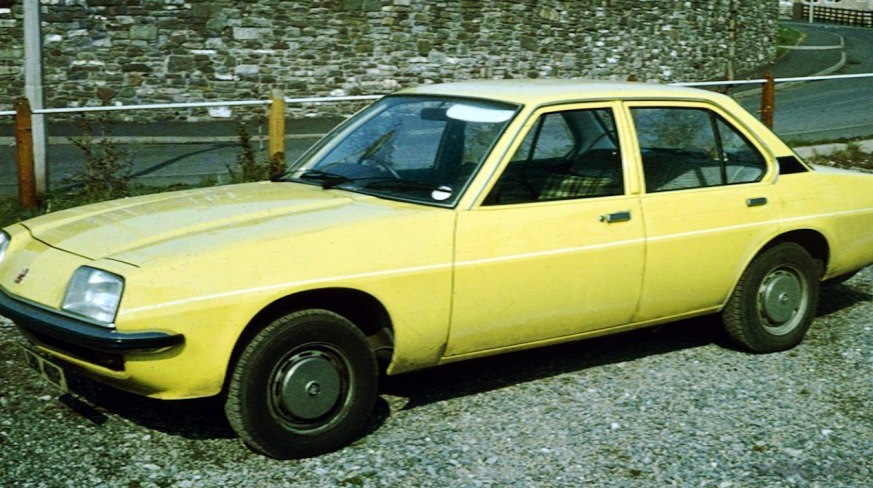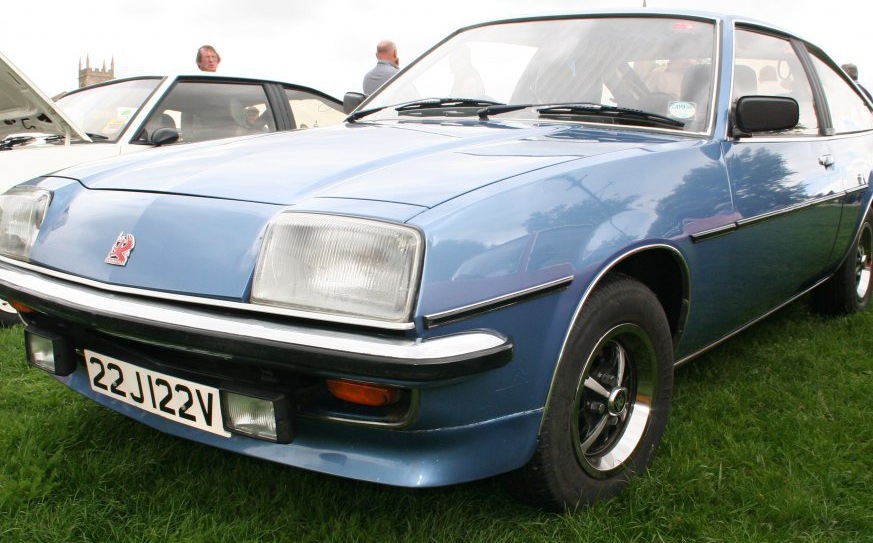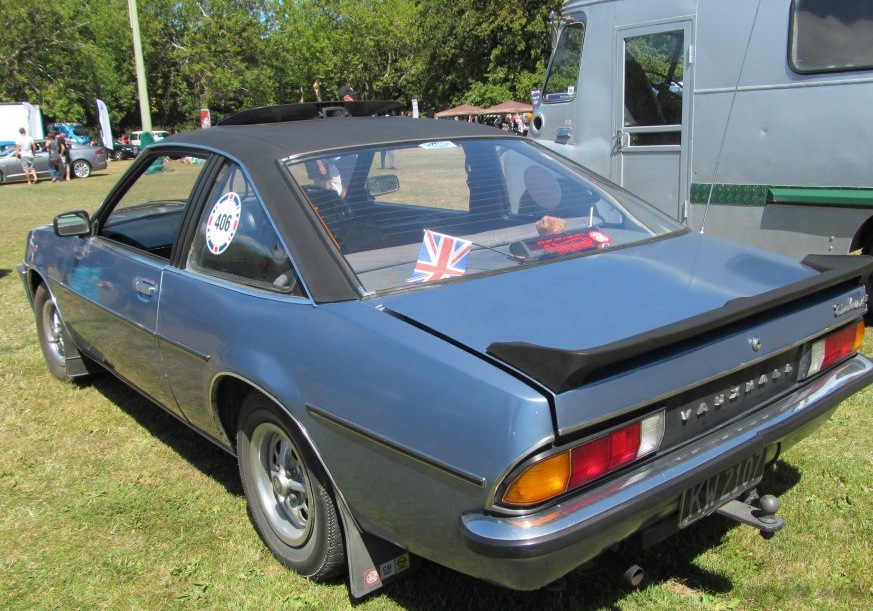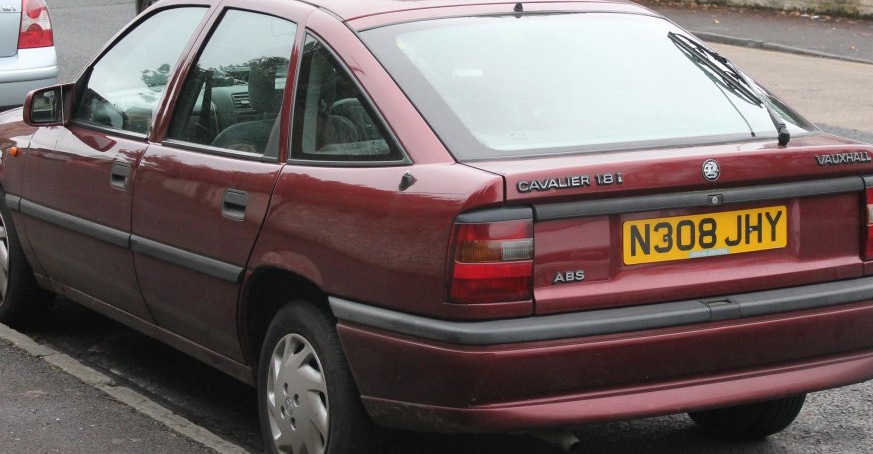
The Vauxhall Cavalier Mk III CC 2.0i 16V 4×4, produced between 1988 and 1989, represented a high-performance variant within the Mk III Cavalier range (designated as the 1HX0/A3 platform). This model combined a potent 2.0-liter 16-valve engine with a permanent all-wheel-drive system, offering a significant step up in both performance and handling compared to the base models. It was positioned as the flagship performance version of the Cavalier hatchback, appealing to drivers seeking a sporty and capable family car. The “CC” designation stood for “Coupé Convenience,” reflecting the hatchback body style and a generally well-equipped specification.
Powertrain & Engine Architecture
The heart of the 2.0i 16V 4×4 was the 20XEJ engine, a 1998 cc (121.93 cu. in.) inline-four cylinder gasoline engine. This engine featured a dual overhead camshaft (DOHC) valvetrain operating 16 valves, contributing to its high power output. It utilized Bosch multi-port fuel injection, a relatively advanced system for its time, ensuring precise fuel delivery and efficient combustion. The engine produced 150 hp (112 kW) at 6000 rpm and 196 Nm (144.56 lb-ft) of torque at 4600 rpm. The compression ratio was set at 10.5:1. Engine oil capacity was 4.5 liters (4.76 US qt / 3.96 UK qt) and coolant capacity was 7.2 liters (7.61 US qt / 6.34 UK qt).
The engine was mated to a five-speed manual transmission. The all-wheel-drive system was a permanent four-wheel drive setup, meaning power was constantly distributed to all four wheels. This system employed a viscous coupling to transfer torque between the front and rear axles, enhancing traction in various conditions. The drivetrain architecture was designed for optimal grip and stability, particularly on slippery surfaces.
Driving Characteristics
The 2.0i 16V 4×4 offered a noticeably more engaging driving experience than the lower-powered Cavalier variants. Acceleration from 0 to 62 mph (0-100 km/h) took approximately 9.5 seconds, and it achieved a top speed of 129.25 mph (208 km/h). The all-wheel-drive system provided excellent traction, allowing for confident cornering and acceleration, especially in wet or loose conditions. The 16-valve engine delivered a responsive power delivery, with a usable torque curve that made it enjoyable to drive in everyday situations. Compared to the 1.8L or 2.0L 8-valve engines available in other Cavalier models, the 16V engine offered a significant performance advantage, though it did require more frequent maintenance.
The five-speed manual transmission was well-matched to the engine’s characteristics, providing precise gear changes and allowing the driver to fully exploit the engine’s power. While not a dedicated sports car, the 2.0i 16V 4×4 offered a compelling blend of performance, practicality, and all-weather capability.
Equipment & Trim Levels
The 2.0i 16V 4×4 was typically well-equipped, reflecting its position as the top-of-the-line Cavalier hatchback. Standard features generally included central locking, electric windows, power steering, and an upgraded interior trim. The interior typically featured cloth upholstery, although leather options were sometimes available. The dashboard layout was functional and driver-focused, with clear instrumentation. Optional extras could include a sunroof, upgraded sound system, and alloy wheels. The “Convenience” aspect of the “CC” designation often translated to a higher level of standard equipment compared to other trims.
Chassis & Braking
The Cavalier Mk III utilized an independent McPherson strut suspension setup at the front, with a coil spring and anti-roll bar. The rear suspension employed a coil spring arrangement. This suspension setup provided a good balance between ride comfort and handling. The 2.0i 16V 4×4 featured ventilated disc brakes at the front and disc brakes at the rear, providing ample stopping power. An Anti-lock Braking System (ABS) was included as standard, enhancing safety and control during emergency braking. The steering was a rack and pinion system with hydraulic power assistance, offering precise and responsive steering feel. The vehicle was equipped with 195/60 R15 tires mounted on 15-inch wheels.
Market Reception & Comparison
The Vauxhall Cavalier Mk III 2.0i 16V 4×4 was generally well-received by automotive critics. It was praised for its strong performance, excellent handling, and all-weather capability. However, some reviewers noted that the fuel consumption (8.3 l/100 km or 28.3 US mpg) was relatively high compared to the lower-powered Cavalier models. Compared to the 1.8L and 2.0L 8-valve versions, the 16V engine demanded more frequent servicing, including valve adjustments. The all-wheel-drive system added to the vehicle’s weight and complexity, potentially increasing maintenance costs. However, the performance benefits and enhanced safety offered by the 4×4 system were considered worthwhile by many buyers.
Technical Specifications
| Brand | Vauxhall |
| Model | Cavalier |
| Generation | Cavalier Mk III CC |
| Type | 2.0i 16V (150 Hp) 4×4 |
| Start of production | 1988 |
| End of production | 1989 |
| Engine Model/Code | 20XEJ |
| Engine Displacement | 1998 cm3 (121.93 cu. in.) |
| Number of Cylinders | 4 |
| Engine Configuration | Inline |
| Cylinder Bore | 86 mm (3.39 in.) |
| Piston Stroke | 86 mm (3.39 in.) |
| Compression Ratio | 10.5:1 |
| Fuel Injection System | Multi-port manifold injection |
| Power | 150 Hp @ 6000 rpm |
| Torque | 196 Nm @ 4600 rpm (144.56 lb.-ft. @ 4600 rpm) |
| Fuel Consumption (Combined) | 8.3 l/100 km (28.3 US mpg, 34 UK mpg, 12 km/l) |
| Acceleration 0-100 km/h | 9.5 sec |
| Acceleration 0-62 mph | 9.5 sec |
| Maximum Speed | 208 km/h (129.25 mph) |
| Kerb Weight | 1215 kg (2678.62 lbs.) |
| Max. Weight | 1720 kg (3791.95 lbs.) |
| Fuel Tank Capacity | 61 l (16.11 US gal, 13.42 UK gal) |
| Length | 4352 mm (171.34 in.) |
| Width | 1706 mm (67.17 in.) |
| Height | 1400 mm (55.12 in.) |
| Wheelbase | 2600 mm (102.36 in.) |
| Drivetrain | All wheel drive (4×4) |
| Transmission | 5 gears, manual transmission |
| Front Brakes | Ventilated discs |
| Rear Brakes | Disc |
| Tires Size | 195/60 R15 |
Legacy
The Vauxhall Cavalier Mk III 2.0i 16V 4×4 remains a sought-after model among enthusiasts today. While not immune to the common issues associated with older vehicles, the 20XEJ engine is generally considered to be a robust and reliable unit when properly maintained. The all-wheel-drive system, while adding complexity, provides a unique driving experience and enhances the car’s usability in challenging conditions. Finding well-preserved examples can be challenging, as many have succumbed to rust or have been modified over the years. However, original and well-maintained 2.0i 16V 4x4s command a premium in the used car market, appealing to collectors and drivers who appreciate its blend of performance, practicality, and classic 1980s styling.