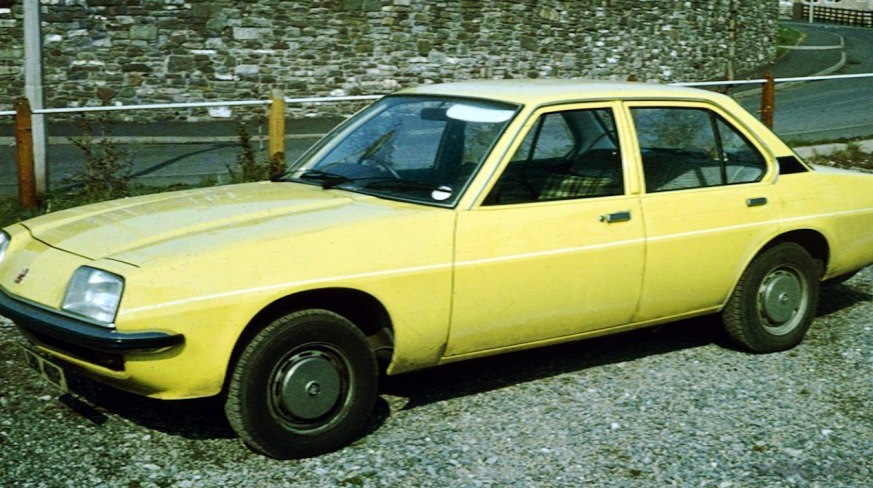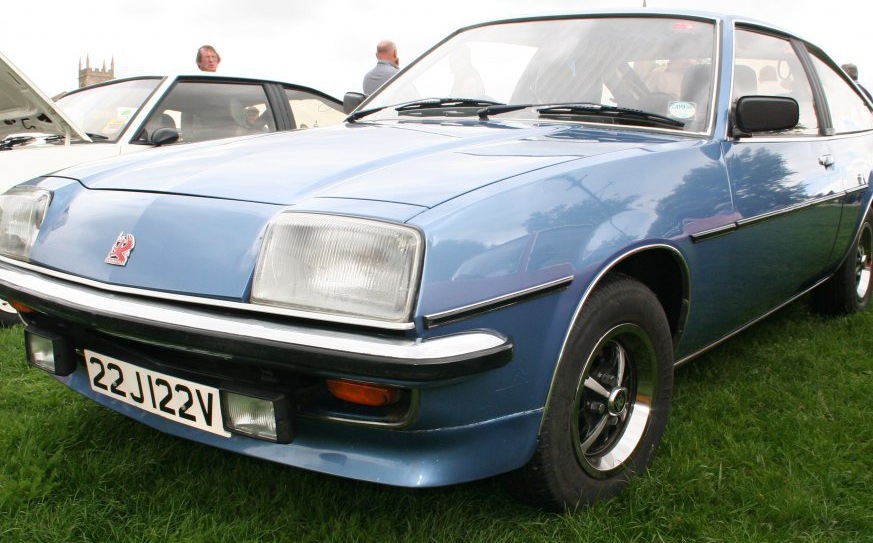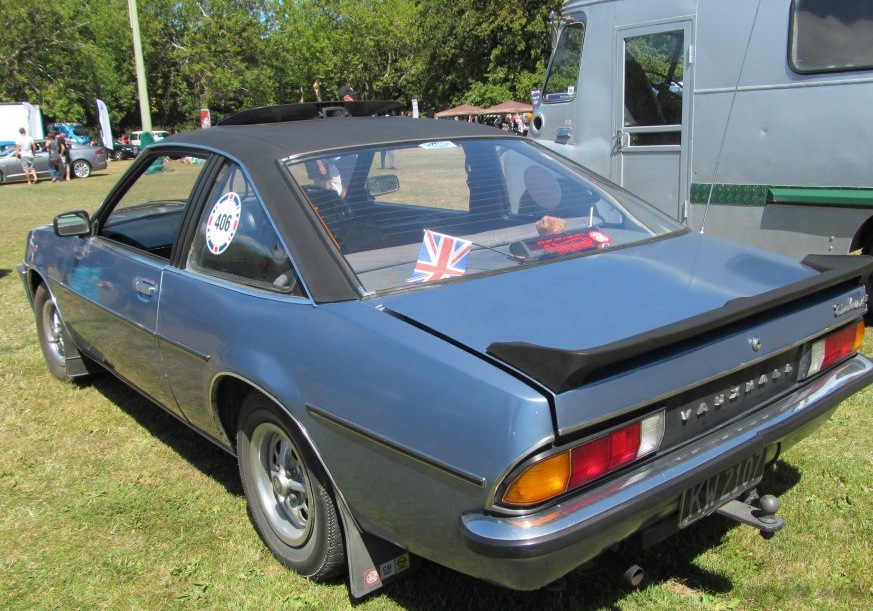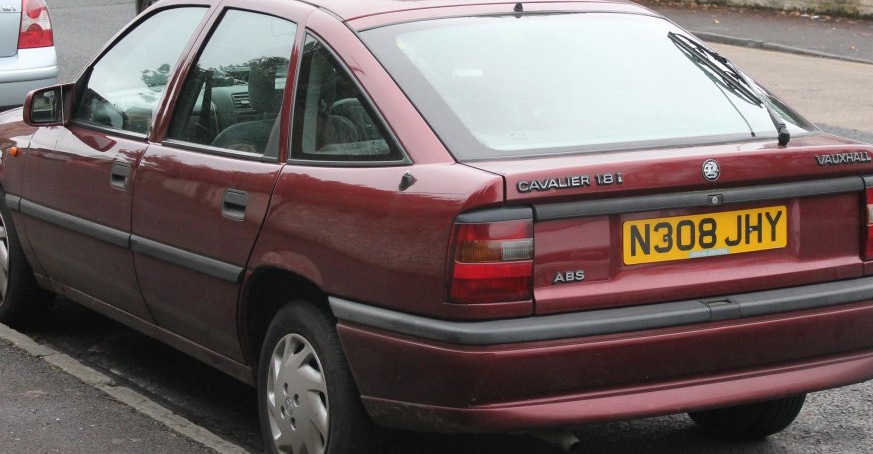
The Vauxhall Cavalier Mk III CC 2.0i CAT (115 hp) was a variant of the popular Cavalier produced between 1990 and 1992. Positioned as a mid-range offering within the Mk III Cavalier lineup, it represented a step up from the base models while remaining more accessible than the higher-performance versions like the GSi. This model was part of the broader ‘C’ generation of the Cavalier (internally designated as the 1HX0), which aimed to modernize the car and appeal to a wider audience. The “CAT” designation refers to the catalytic converter fitted to the exhaust system, signifying compliance with emerging emissions regulations.
Powertrain & Engine Architecture
The 2.0i CAT variant was powered by the C20NE engine, a 1998 cc (121.93 cu. in.) inline-four cylinder gasoline engine. This engine was a mainstay of the Vauxhall/Opel range during the late 1980s and early 1990s, known for its relative reliability and decent performance. The C20NE featured multi-port fuel injection, a dual overhead camshaft (DOHC) valvetrain with four valves per cylinder, and a compression ratio of 9.2:1. These features contributed to a power output of 115 hp (86 kW) at 5400 rpm and 170 Nm (125.39 lb-ft) of torque at 2600 rpm. The engine’s design prioritized smooth operation and fuel efficiency over outright power.
The 2.0i CAT was typically paired with a five-speed manual transmission, although a four-speed automatic transmission was also available. The automatic transmission, while offering convenience, did impact acceleration and fuel economy compared to the manual version. The automatic’s gear ratios were geared towards comfortable cruising rather than sporty performance. The engine was transversely mounted in the front of the vehicle, driving the front wheels.
Engine Specifications
The C20NE engine benefited from relatively straightforward maintenance. It was not prone to catastrophic failures if properly maintained, with regular oil changes and coolant flushes being crucial. The multi-port fuel injection system, while more complex than earlier carburetor setups, was generally reliable. However, age-related issues such as injector clogging and sensor failures could occur.
Driving Characteristics
The 2.0i CAT offered a balanced driving experience. With 115 hp, it wasn’t a particularly fast car, taking approximately 12 seconds to accelerate from 0 to 62 mph (0-100 km/h). However, the 170 Nm of torque provided adequate pulling power for everyday driving and overtaking maneuvers. The automatic transmission, when equipped, offered smooth shifts but at the expense of responsiveness. The manual transmission provided a more engaging driving experience, allowing the driver to better utilize the engine’s power band.
Compared to the lower-powered 1.6L and 1.8L variants, the 2.0i CAT offered noticeably improved acceleration and cruising ability. It felt less strained on long journeys and provided a more confident experience when carrying passengers or luggage. However, it lacked the sporting edge of the GSi models, which featured more powerful engines, stiffer suspension, and improved braking systems. The 2.0i CAT was designed for comfortable, practical transportation rather than outright performance.
Equipment & Trim Levels
The 2.0i CAT trim level typically included features such as central locking, electric front windows, and a basic stereo system. Interior upholstery was usually cloth, with a relatively simple dashboard layout. Optional extras included a sunroof, upgraded stereo systems, and alloy wheels. The level of equipment was generally considered adequate for a mid-range car of its time, offering a reasonable level of comfort and convenience.
The Cavalier Mk III offered a range of trim levels, with the 2.0i CAT sitting comfortably in the middle. Base models, such as the L and LS, featured fewer standard features and were aimed at budget-conscious buyers. Higher-spec models, like the GLS and GSi, offered more luxurious interiors, upgraded equipment, and more powerful engines.
Chassis & Braking
The Cavalier Mk III CC utilized an independent McPherson strut suspension system at the front, providing a comfortable ride and reasonable handling. The rear suspension employed a coil spring setup. The 2.0i CAT variant typically featured ventilated disc brakes at the front and disc brakes at the rear, offering adequate stopping power for its weight and performance. Anti-lock braking system (ABS) was available as an option, enhancing safety in emergency braking situations.
The chassis was designed to provide a balance between comfort and handling. The suspension was tuned to absorb bumps and provide a smooth ride, while the steering offered reasonable precision. The 2.0i CAT’s weight of approximately 1159 kg (2555.16 lbs) contributed to its manageable handling characteristics.
Market Reception & Comparison
The Vauxhall Cavalier Mk III CC 2.0i CAT was generally well-received by critics as a practical and reliable family car. It offered a good balance of performance, fuel economy (around 31.4 US mpg combined), and comfort. However, it wasn’t considered particularly exciting to drive compared to some of its rivals, such as the Ford Sierra and the Volkswagen Passat.
Compared to other trims in the Cavalier lineup, the 2.0i CAT offered a noticeable improvement in performance over the lower-powered models, while remaining more affordable than the GSi variants. Its fuel economy was comparable to the 1.8L models, but its increased power made it a more versatile option for long journeys and carrying loads. Reliability was generally good, although age-related issues are common in older examples.
Technical Specifications
| Brand | Vauxhall |
| Model | Cavalier |
| Generation | Cavalier Mk III CC |
| Type (Engine) | 2.0i CAT (115 Hp) |
| Start of production | 1990 |
| End of production | 1992 |
| Powertrain Architecture | Internal Combustion engine |
| Body type | Hatchback |
| Seats | 5 |
| Doors | 5 |
| Fuel consumption (combined) | 7.5 l/100 km |
| Fuel consumption (US mpg) | 31.4 |
| Fuel consumption (UK mpg) | 37.7 |
| Fuel Type | Petrol (Gasoline) |
| Acceleration 0 – 100 km/h | 12 sec |
| Acceleration 0 – 62 mph | 12 sec |
| Acceleration 0 – 60 mph | 11.4 sec |
| Maximum speed | 193 km/h (119.92 mph) |
| Weight-to-power ratio | 10.1 kg/Hp |
| Power | 115 Hp @ 5400 rpm |
| Torque | 170 Nm @ 2600 rpm (125.39 lb.-ft. @ 2600 rpm) |
| Engine layout | Front, Transverse |
| Engine Model/Code | C20NE |
| Engine displacement | 1998 cm3 (121.93 cu. in.) |
| Number of cylinders | 4 |
| Engine configuration | Inline |
| Cylinder Bore | 86 mm (3.39 in.) |
| Piston Stroke | 86 mm (3.39 in.) |
| Compression ratio | 9.2:1 |
| Number of valves per cylinder | 4 |
| Fuel injection system | Multi-port manifold injection |
| Engine aspiration | Naturally aspirated |
| Engine oil capacity | 4 l (4.23 US qt | 3.52 UK qt) |
| Coolant capacity | 7.2 l (7.61 US qt | 6.34 UK qt) |
| Kerb Weight | 1159 kg (2555.16 lbs.) |
| Max. weight | 1670 kg (3681.72 lbs.) |
| Max load | 511 kg (1126.56 lbs.) |
| Trunk (boot) space – minimum | 460 l (16.24 cu. ft.) |
| Trunk (boot) space – maximum | 1290 l (45.56 cu. ft.) |
| Fuel tank capacity | 61 l (16.11 US gal | 13.42 UK gal) |
| Length | 4352 mm (171.34 in.) |
| Width | 1706 mm (67.17 in.) |
| Height | 1400 mm (55.12 in.) |
| Wheelbase | 2600 mm (102.36 in.) |
| Front track | 1420 mm (55.91 in.) |
| Rear track | 1423 mm (56.02 in.) |
| Drive wheel | Front wheel drive |
| Number of gears | 5 (manual) / 4 (automatic) |
| Front brakes | Ventilated discs |
| Rear brakes | Disc |
| Tires size | 195/60 R15 |
Legacy
The C20NE engine, found in the 2.0i CAT, is generally considered a durable and reliable unit when properly maintained. While age-related issues are inevitable in vehicles of this era, the engine’s robust design means that many examples are still on the road today. The 2.0i CAT variant of the Cavalier Mk III CC remains a relatively affordable classic car, appealing to enthusiasts and those seeking a practical and reliable vintage vehicle. Parts availability is generally good, although some specific trim items may be difficult to find. The car’s simple mechanical design makes it relatively easy to maintain and repair for those with some mechanical aptitude.