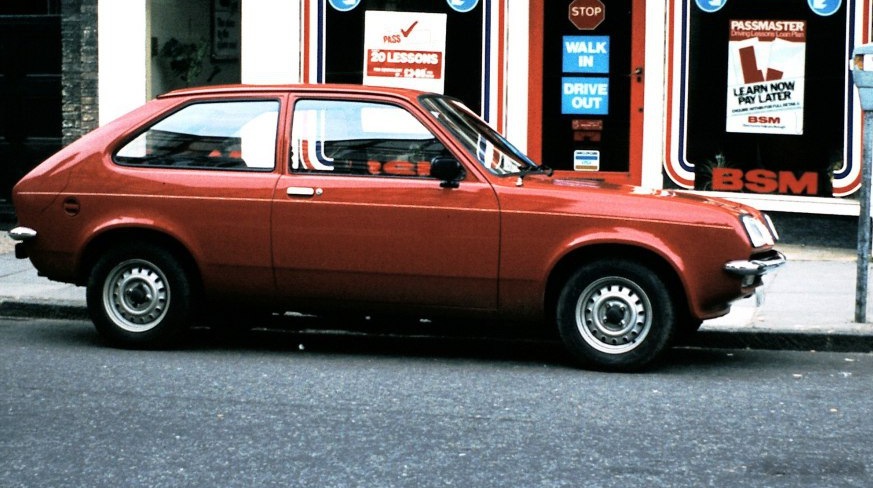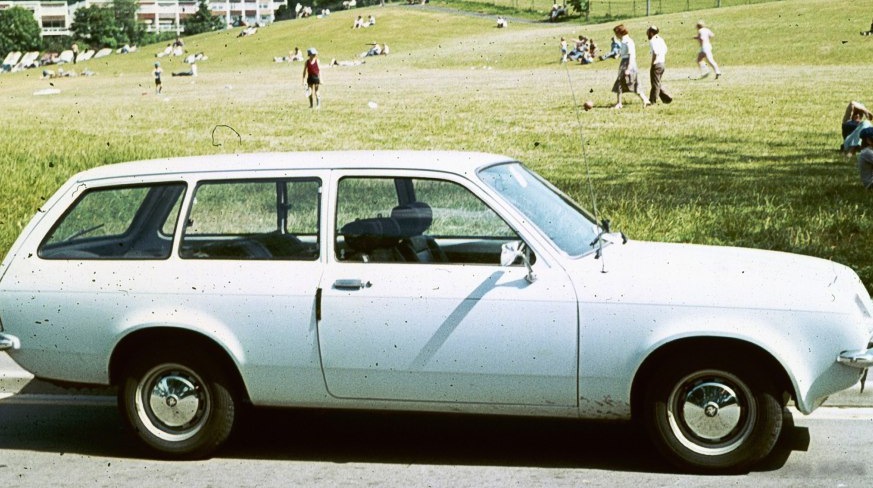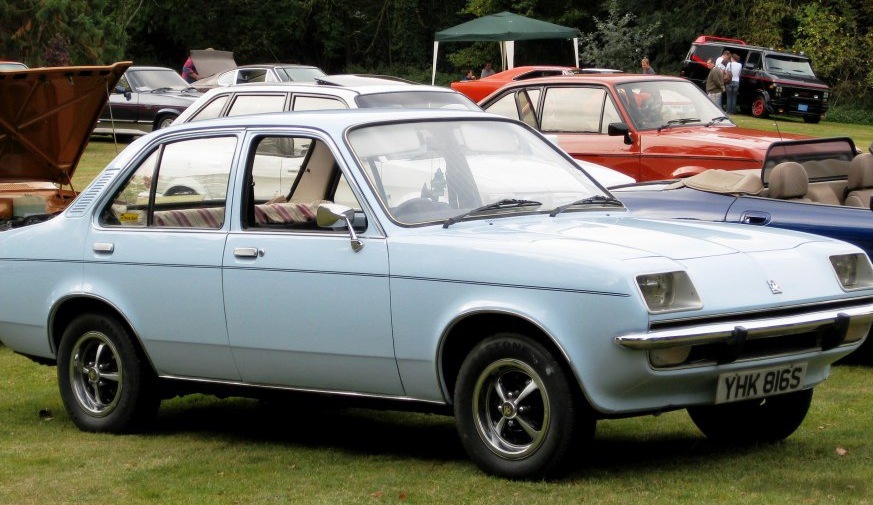
The Vauxhall Chevette 1300, producing 53 horsepower, was a mainstay of the British automotive market from 1975 to 1985. Positioned as the entry-level model within the Chevette range, it represented an affordable and economical option for buyers seeking a small family car. The Chevette itself was Vauxhall’s response to the increasing popularity of smaller, more fuel-efficient vehicles, particularly those originating from Japan and continental Europe. Built on a rear-wheel-drive platform, the 1300 variant served as the foundation for the Chevette lineup, with more powerful and sporty versions introduced later in the production run. It was part of Vauxhall’s broader strategy to offer a diverse range of vehicles to cater to varying consumer needs and budgets.
Vauxhall Chevette 1300: A Detailed Overview
The Chevette 1300 was designed as a practical and no-frills vehicle. Its simple construction and relatively lightweight design contributed to its fuel efficiency, a key selling point during the 1970s and early 1980s energy crises. The car’s four-door sedan body style provided adequate space for a small family, while its compact dimensions made it relatively easy to maneuver in urban environments. The 1300 model was particularly popular with first-time car buyers, those on a tight budget, and as a dependable workhorse for various trades.
Powertrain & Engine Architecture
At the heart of the Chevette 1300 lay a 1.3-liter inline four-cylinder engine. This engine, internally designated as the 1256cc unit, was a naturally aspirated design featuring a two-valve-per-cylinder configuration. The engine’s relatively low compression ratio and simple carburetor fuel system were chosen for reliability and ease of maintenance rather than outright performance. The engine produced 53 horsepower (39 kW) at approximately 5,500 rpm and 74 lb-ft (100 Nm) of torque at 3,000 rpm. The engine block was constructed from cast iron, while the cylinder head was made of aluminum alloy. Lubrication was provided by a conventional wet-sump system with a capacity of 2.8 liters (2.96 US quarts or 2.46 UK quarts). Coolant capacity was 5.8 liters (6.13 US quarts or 5.1 UK quarts). The engine’s longitudinal front-engine, rear-wheel-drive layout was a traditional configuration for the time, but increasingly uncommon as front-wheel-drive became the dominant layout in the small car segment.
The Chevette 1300 was exclusively offered with a four-speed manual transmission. This transmission was a fully synchronized unit, providing relatively smooth gear changes. The gear ratios were optimized for fuel economy and everyday driving, rather than sporty acceleration. The rear axle featured a conventional solid axle design with a final drive ratio chosen to balance performance and fuel consumption. The drivetrain was a simple and robust setup, contributing to the Chevette’s overall reliability.
Driving Characteristics
The driving experience in a Chevette 1300 was characterized by its simplicity and practicality. Acceleration was modest, with a 0-60 mph time of around 16-18 seconds. However, the car’s light weight (approximately 1,760 lbs or 800 kg) and responsive steering made it enjoyable to drive on winding roads. The four-speed manual transmission required frequent shifting, particularly when overtaking or climbing hills. The rear-wheel-drive layout provided a balanced handling characteristic, although it could be prone to oversteer if pushed hard. Compared to the later 1600cc and HS variants, the 1300 offered significantly less power and performance. The 1600 offered a noticeable increase in acceleration and top speed, while the HS (High Sport) model provided even more power and a sportier suspension setup. The 1300, however, remained the most economical and accessible option.
Equipment & Trim Levels
The Chevette 1300 was typically equipped with basic amenities. Standard features included cloth upholstery, vinyl floor covering, and a simple dashboard layout. The instrument panel typically featured a speedometer, fuel gauge, and warning lights. Heating and ventilation were standard, but air conditioning was not available. Optional extras included a radio, upgraded upholstery, and a sunroof. The trim level was generally consistent across the 1300 range, with minimal variations in interior appointments. The focus was on providing a functional and durable interior rather than luxurious features.
Chassis & Braking
The Chevette 1300 utilized a body-on-frame construction, which contributed to its relatively low weight and ease of repair. The front suspension consisted of independent wishbones with coil springs and telescopic shock absorbers. The rear suspension featured a live axle with leaf springs and telescopic shock absorbers. The steering was a rack and pinion system, providing precise and responsive steering feel. Braking was provided by disc brakes on the front wheels and drum brakes on the rear wheels. The braking system was adequate for the car’s weight and performance, but lacked the stopping power of more modern vehicles. Stabilizer bars were not typically fitted to the standard 1300 model.
Market Reception & Comparison
The Vauxhall Chevette 1300 was generally well-received by the British motoring press as an affordable and practical small car. Critics praised its fuel efficiency, ease of maintenance, and robust construction. However, they also noted its lack of refinement and modest performance. Compared to its rivals, such as the Ford Fiesta and Austin Metro, the Chevette offered a more spacious interior and a more traditional driving experience. The Fiesta was generally considered to be more modern and refined, while the Metro was smaller and more nimble. In terms of fuel economy, the Chevette 1300 performed competitively with its rivals, achieving around 40-45 mpg in typical driving conditions. Reliability was generally good, although the car’s simple construction meant that it required regular maintenance to prevent corrosion and mechanical issues.
Technical Specifications
| Engine Displacement | 1256 cm3 (76.65 cu. in.) |
| Number of Cylinders | 4, Inline |
| Number of Valves per Cylinder | 2 |
| Engine Aspiration | Naturally Aspirated |
| Power Output | 53 Hp (39 kW) @ 5,500 rpm |
| Torque Output | 74 lb-ft (100 Nm) @ 3,000 rpm |
| Fuel Type | Petrol (Gasoline) |
| Transmission | 4-speed Manual |
| Drive Wheels | Rear Wheel Drive |
| Length | 4188 mm (164.88 in.) |
| Width | 1570 mm (61.81 in.) |
| Height | 1313 mm (51.69 in.) |
| Wheelbase | 2395 mm (94.29 in.) |
| Fuel Tank Capacity | 45 l (11.89 US gal / 9.9 UK gal) |
| Engine Oil Capacity | 2.8 l (2.96 US qt / 2.46 UK qt) |
Legacy
The Vauxhall Chevette 1300, while now a classic vehicle, has a mixed reputation in the used car market. Its simple construction and readily available parts make it relatively easy to maintain and repair. However, many examples have succumbed to rust, particularly in areas exposed to harsh weather conditions. The 1300’s powertrain, while reliable, is not particularly powerful or refined by modern standards. Nevertheless, the Chevette 1300 remains a popular choice among classic car enthusiasts and those seeking a nostalgic driving experience. Its affordability and simplicity continue to appeal to a dedicated following, ensuring that this iconic British small car will be remembered for years to come. Well-maintained examples are increasingly sought after, particularly those with low mileage and original features.