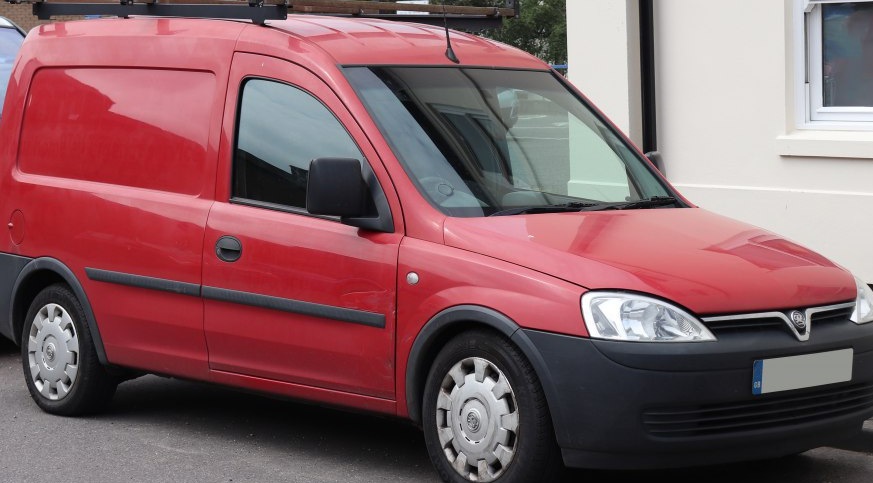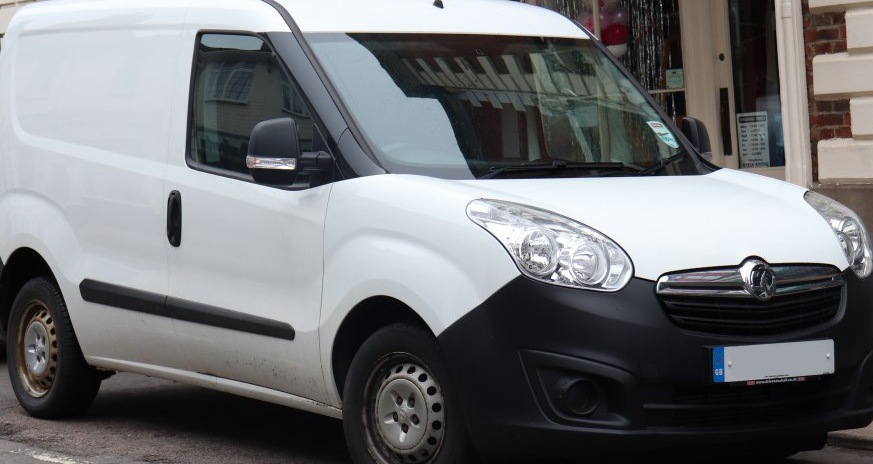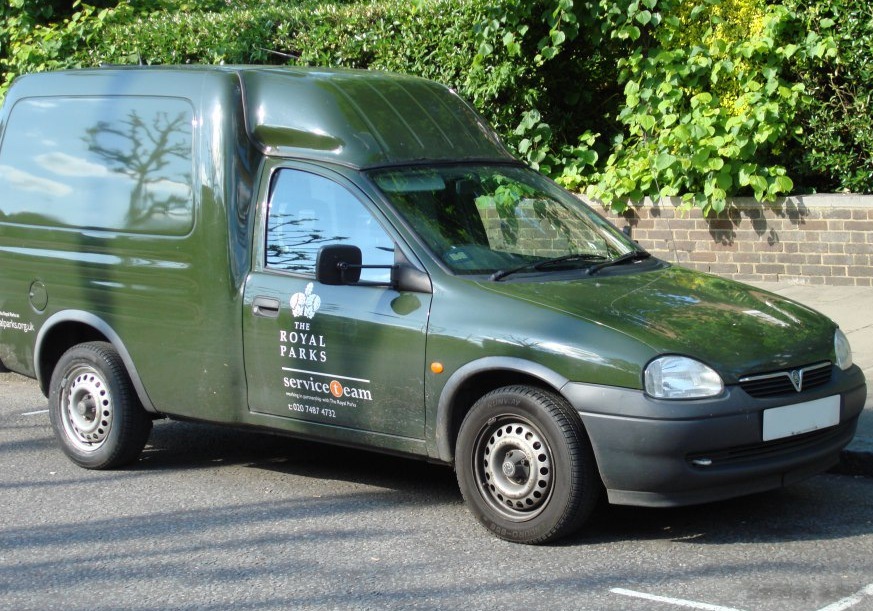
The Vauxhall Combo B 1.2 (45 hp) was a commercial vehicle produced from 1993 to 2001, representing an entry-level offering within the Combo B generation. Based on the Corsa B platform, the Combo B was designed as a practical and affordable light commercial vehicle, primarily aimed at small businesses and tradespeople. The 1.2-liter engine variant served as the base model, prioritizing fuel efficiency and low running costs over outright performance. It was typically configured as a panel van or pickup, offering a utilitarian solution for cargo transport. This variant occupied the lowest rung of the Combo B lineup, with more powerful 1.4, 1.6, and diesel engine options available for those requiring increased capability.
Powertrain & Engine Architecture
The heart of the Combo B 1.2 was the C12NZ engine, a 1.2-liter (1195 cc) inline-four cylinder petrol engine. This engine was a relatively simple design, featuring a single overhead camshaft (SOHC) and two valves per cylinder. The C12NZ was known for its robustness and simplicity, contributing to its longevity and relatively low maintenance requirements. Fuel delivery was managed by a Bosch Mono-Jetronic single-point fuel injection system, a cost-effective solution common in vehicles of this era. This system injected fuel into a central port in the intake manifold, rather than directly into each cylinder. The engine produced a maximum power output of 45 hp (33.6 kW) at 5000 rpm and 88 Nm (64.91 lb-ft) of torque at 2400 rpm. The compression ratio was set at 10:1. The engine’s bore and stroke measured 72 mm (2.83 in) and 73.4 mm (2.89 in) respectively. Engine oil capacity was 3.5 liters (3.7 US qt / 3.08 UK qt), and the cooling system required 5.9 liters (6.23 US qt / 5.19 UK qt) of coolant.
Transmission
The Combo B 1.2 was exclusively offered with a four-speed manual transmission. This transmission was a standard, non-synchronized gearbox designed for durability and ease of maintenance. The gear ratios were optimized for fuel economy and low-speed torque, reflecting the vehicle’s intended use as a commercial vehicle. The transmission’s simplicity contributed to its reliability, but it lacked the refinement of more modern gearboxes.
Driving Characteristics
The driving experience in the Combo B 1.2 was decidedly utilitarian. With only 45 hp on tap, acceleration was slow, and overtaking required careful planning. The engine’s peak torque of 88 Nm was available at a relatively low 2400 rpm, providing adequate pulling power for light loads. However, when fully laden, the engine could feel strained, particularly on inclines. The four-speed manual transmission, while robust, offered limited gear ratios, resulting in a noticeable gap between gears. The suspension was tuned for comfort and load-carrying capacity, rather than sporty handling. The Combo B 1.2 was best suited for urban driving and short-distance deliveries, where its fuel efficiency and maneuverability were advantageous. Compared to the 1.4 and 1.6-liter variants, the 1.2 offered significantly less power and performance, but at a lower purchase price and with improved fuel economy.
Equipment & Trim Levels
The Combo B 1.2 was a very basic commercial vehicle, with a focus on functionality over luxury. Standard equipment was minimal, typically including a driver’s seat, basic instrumentation (speedometer, fuel gauge), and a steering wheel. The interior trim was typically hard-wearing plastic, designed for durability and ease of cleaning. Options were limited, but could include a passenger seat, upgraded interior trim, and basic audio systems. The Combo B 1.2 was available in both panel van and pickup body styles. The panel van offered a larger enclosed cargo area, while the pickup provided an open cargo bed for transporting larger items. The exterior styling was functional and unadorned, with minimal chrome trim.
Chassis & Braking
The Combo B 1.2 utilized a front-wheel-drive layout, with a MacPherson strut suspension at the front and a twist-beam suspension at the rear. The suspension was designed to provide a comfortable ride and adequate load-carrying capacity. The braking system consisted of disc brakes at the front and drum brakes at the rear. The brakes were adequate for the vehicle’s weight and performance, but lacked the stopping power of more modern braking systems. The steering was a recirculating ball system, providing a simple and reliable steering experience. The vehicle’s ground clearance was 160 mm (6.3 in), allowing it to navigate uneven surfaces.
Market Reception & Comparison
The Vauxhall Combo B 1.2 was generally well-received as an affordable and practical light commercial vehicle. Critics praised its fuel efficiency, low running costs, and robust construction. However, the engine’s lack of power was a common criticism, particularly when the vehicle was fully laden. Compared to other light commercial vehicles in its class, such as the Citroën Berlingo and Renault Kangoo, the Combo B 1.2 offered a competitive price point but lacked some of the refinement and features of its rivals. The 1.4 and 1.6-liter Combo B variants offered significantly improved performance, but at a higher cost. The 1.7 diesel engine provided even greater torque and fuel economy, making it a popular choice for long-distance deliveries. In terms of reliability, the C12NZ engine proved to be a durable and dependable unit, with relatively few major issues reported.
Technical Specifications
| Engine Type | Inline-4, Petrol |
| Engine Displacement | 1195 cc (72.92 cu in) |
| Engine Code | C12NZ |
| Power Output | 45 hp (33.6 kW) @ 5000 rpm |
| Torque | 88 Nm (64.91 lb-ft) @ 2400 rpm |
| Compression Ratio | 10:1 |
| Fuel Injection | Bosch Mono-Jetronic |
| Transmission | 4-speed Manual |
| Drivetrain | Front-Wheel Drive |
| Length | 4230 mm (166.54 in) |
| Width | 1686 mm (66.38 in) |
| Height | (Varies by body style) |
| Ground Clearance | 160 mm (6.3 in) |
| Fuel Tank Capacity | (Not readily available) |
| Curb Weight | (Varies by body style) |
| Maximum Payload | (Varies by body style) |
Legacy
The Vauxhall Combo B 1.2, while not a performance icon, remains a popular choice among budget-conscious buyers and those seeking a simple, reliable workhorse. The C12NZ engine, despite its modest power output, is known for its durability and ease of maintenance. Parts availability remains relatively good, making it a cost-effective vehicle to keep on the road. In the used car market, the Combo B 1.2 typically commands a low price, reflecting its age and basic specification. However, well-maintained examples are still sought after by tradespeople and small businesses who appreciate its practicality and low running costs. The Combo B generation as a whole established the Combo as a viable and popular light commercial vehicle in the European market, paving the way for subsequent generations.