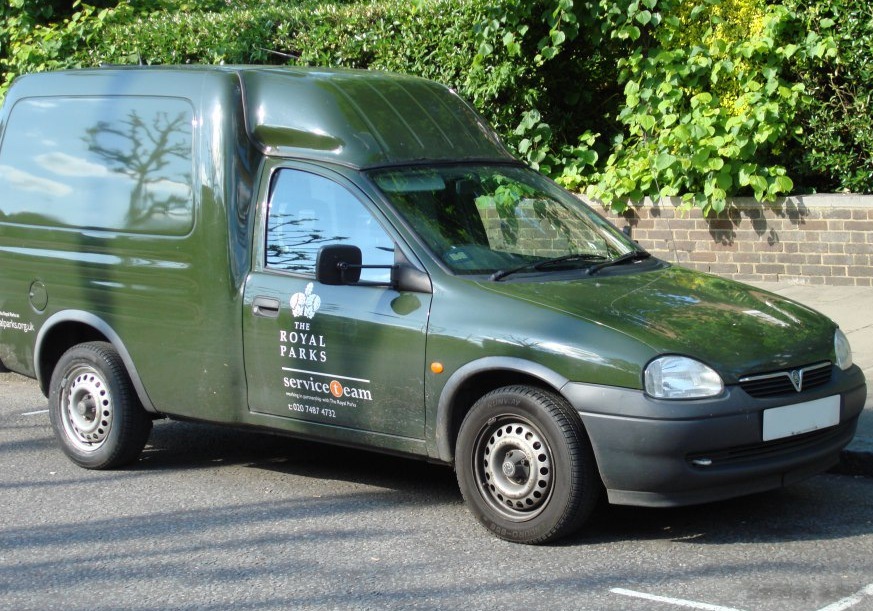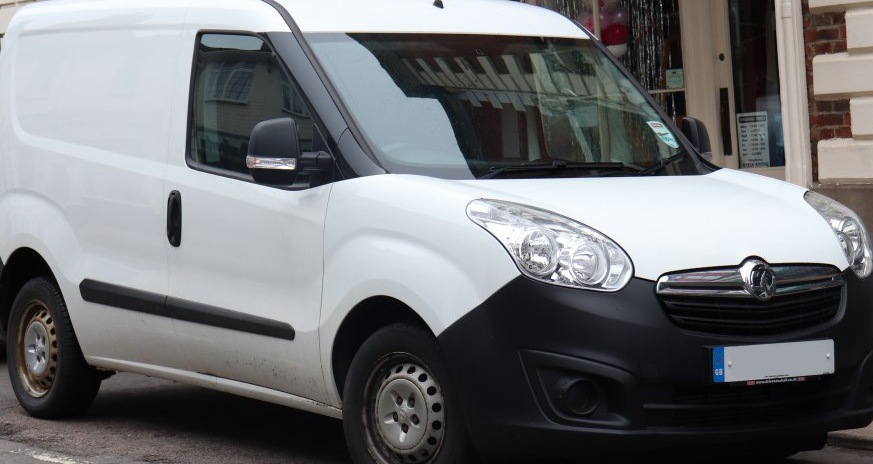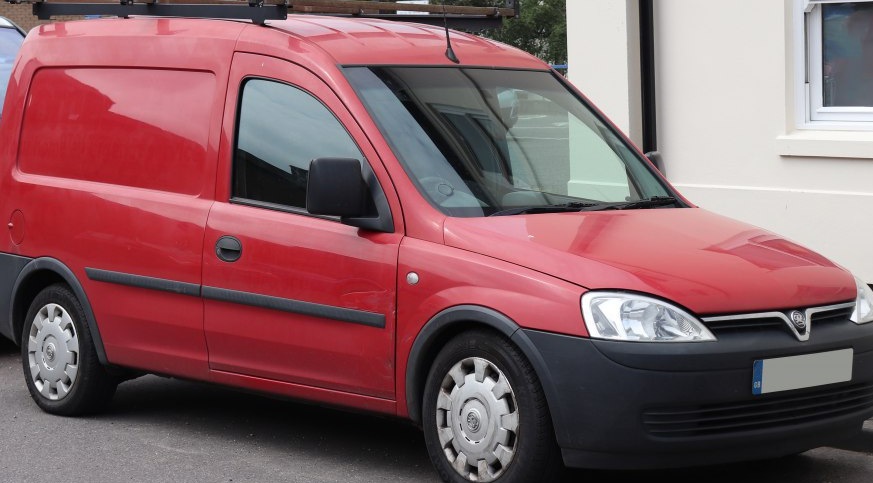
The Vauxhall Combo C 1.6i, producing 87 horsepower, was a popular entry-level variant of the Combo C generation, produced from 2001 to 2011. Positioned as the base model, it offered affordable transportation and practicality within the compact van/minivan segment. The Combo C itself was a rebadged version of the Fiat Doblo, resulting from the partnership between General Motors and Fiat. This particular 1.6i engine and five-speed manual transmission combination aimed at buyers prioritizing economy and functionality over outright performance, serving as a workhorse vehicle for families and small businesses.
The 1.6i Combo C: A Detailed Overview
The Combo C represented a significant step forward for the Combo line, moving away from the earlier, more utilitarian models. It offered a more car-like driving experience and a greater emphasis on comfort and safety. The 1.6i variant, with its relatively modest power output, was designed to be fuel-efficient and reliable, making it a sensible choice for everyday use. It was commonly found in both panel van and passenger-carrying configurations, catering to a diverse range of needs.
Powertrain & Engine Architecture
At the heart of the Combo C 1.6i lies the Z16SE engine, a 1.6-liter inline four-cylinder gasoline engine. This engine is a naturally aspirated unit, meaning it doesn’t utilize a turbocharger or supercharger. It features a single overhead camshaft (OHC) valvetrain with two valves per cylinder. The engine utilizes a multi-port fuel injection system, delivering fuel directly into the intake manifold. This system, while not as advanced as direct injection, proved to be reliable and effective for its intended purpose.
The Z16SE engine produces 87 hp at 5400 rpm and 138 Nm (101.78 lb-ft) of torque at 3000 rpm. The engine’s bore and stroke are 79mm x 81.5mm, resulting in a displacement of 1598 cm³ (97.52 cu. in.). The compression ratio is 9.6:1. The engine is transversely mounted in the front of the vehicle, driving the front wheels. The five-speed manual transmission provides a relatively simple and durable means of transferring power to the road. Gear ratios were geared towards maximizing fuel economy rather than acceleration.
Driving Characteristics
The driving experience in the 1.6i Combo C is best described as practical and unpretentious. Acceleration is modest, taking approximately 14 seconds to reach 100 km/h (62 mph) and around 13.3 seconds to 60 mph. The engine feels strained when pushed hard, particularly when fully loaded. However, for everyday driving around town or on the highway, it provides sufficient power. The five-speed manual transmission is light and easy to use, although the shift quality isn’t particularly sporty. The focus is on usability and ease of driving, rather than engaging performance.
The gear ratios are spaced to prioritize fuel efficiency. First gear is relatively short for easy starts from a standstill, while higher gears are tall to reduce engine speed at cruising speeds. This contributes to the Combo C 1.6i’s respectable fuel economy figures, averaging around 30.2 US mpg (36.2 UK mpg) in combined driving conditions. The vehicle’s weight of approximately 1210 kg (2667.59 lbs) contributes to the somewhat sluggish acceleration.
Equipment & Trim Levels
The Combo C 1.6i typically came with a basic level of equipment, reflecting its position as the entry-level model. Standard features generally included power steering, central locking, and an adjustable steering column. Interior upholstery was typically cloth, and the dashboard was constructed from durable, hard-wearing plastics. Air conditioning and power windows were often optional extras. Safety features included ABS (Anti-lock Braking System) and driver and passenger airbags.
Higher trim levels, such as the ‘Sportive’ or ‘Van’ variants, offered additional features like alloy wheels, upgraded interior trim, and a CD player. However, the core appeal of the 1.6i model remained its affordability and practicality. The passenger-carrying versions often featured a 60/40 split-folding rear seat, allowing for flexible cargo configurations.
Chassis & Braking
The Combo C 1.6i utilizes a relatively simple chassis design. The front suspension consists of a MacPherson strut setup, while the rear suspension employs a coil spring arrangement. This setup provides a comfortable ride, although it’s not particularly sporty. The front brakes are ventilated discs, providing adequate stopping power, while the rear brakes are drums. This combination was chosen to keep costs down. The steering is a hydraulic rack and pinion system, offering reasonable precision and feedback.
The vehicle rides on 175/65 R14 tires, mounted on 14-inch steel wheels. A stabilizer bar is fitted to the front suspension to reduce body roll during cornering. The overall chassis setup is geared towards providing a stable and predictable driving experience, rather than dynamic handling.
Market Reception & Comparison
The Vauxhall Combo C 1.6i was generally well-received by critics as a practical and affordable van/minivan. It was praised for its fuel efficiency, spacious interior, and reliability. However, it was also criticized for its lack of power and somewhat basic interior. Compared to other trims in the Combo C lineup, such as the 1.7 CDTi diesel, the 1.6i offered less performance but better refinement and lower running costs. Compared to competitors like the Citroen Berlingo and Renault Kangoo, the Combo C 1.6i offered a similar level of practicality and affordability.
The 1.6i engine was known for its reliability, although regular maintenance was essential. The manual transmission was also generally durable. Fuel economy was a strong point, making it an attractive option for budget-conscious buyers. However, the engine’s relatively low power output meant that it wasn’t ideal for carrying heavy loads or driving on steep hills.
Technical Specifications
| Brand | Vauxhall |
| Model | Combo C |
| Type (Engine) | 1.6i (87 Hp) |
| Start of production | 2001 |
| End of production | 2011 |
| Fuel consumption (urban) | 10.5 l/100 km (22.4 US mpg) |
| Fuel consumption (extra urban) | 6.4 l/100 km (36.8 US mpg) |
| Fuel consumption (combined) | 7.8 l/100 km (30.2 US mpg) |
| Fuel Type | Petrol (Gasoline) |
| Acceleration 0 – 100 km/h | 14 sec |
| Acceleration 0 – 62 mph | 14 sec |
| Acceleration 0 – 60 mph | 13.3 sec |
| Maximum speed | 164 km/h (101.9 mph) |
| Power | 87 Hp @ 5400 rpm |
| Torque | 138 Nm @ 3000 rpm (101.78 lb.-ft. @ 3000 rpm) |
| Engine layout | Front, Transverse |
| Engine Model/Code | Z16SE |
| Engine displacement | 1598 cm3 (97.52 cu. in.) |
| Number of cylinders | 4 |
| Cylinder Bore | 79 mm (3.11 in.) |
| Piston Stroke | 81.5 mm (3.21 in.) |
| Compression ratio | 9.6:1 |
| Kerb Weight | 1210 kg (2667.59 lbs.) |
| Max. weight | 1730 kg (3814 lbs.) |
| Trunk (boot) space – minimum | 455 l (16.07 cu. ft.) |
| Trunk (boot) space – maximum | 2700 l (95.35 cu. ft.) |
| Fuel tank capacity | 52 l (13.74 US gal) |
| Length | 4320 mm (170.08 in.) |
| Width | 1685 mm (66.34 in.) |
| Height | 1800 mm (70.87 in.) |
| Wheelbase | 2715 mm (106.89 in.) |
| Number of gears | 5, manual transmission |
Legacy
The Combo C 1.6i remains a relatively common sight on used car lots today. Its simple engine and robust construction contribute to its longevity. While not known for its performance, the Z16SE engine is generally reliable if properly maintained. Common issues include oil leaks and occasional sensor failures. The Combo C 1.6i represents a practical and affordable option for those seeking a no-frills van or minivan. Its enduring popularity is a testament to its functionality and value for money.