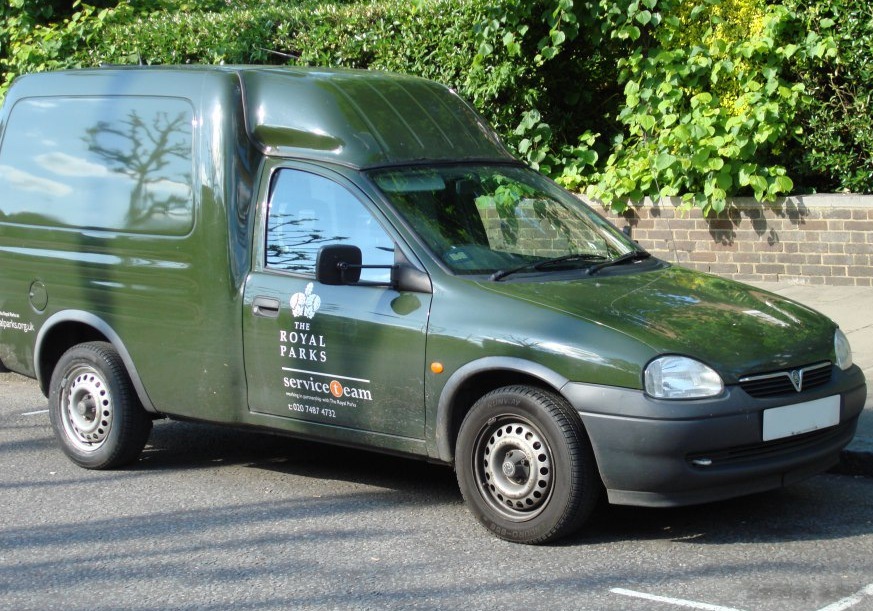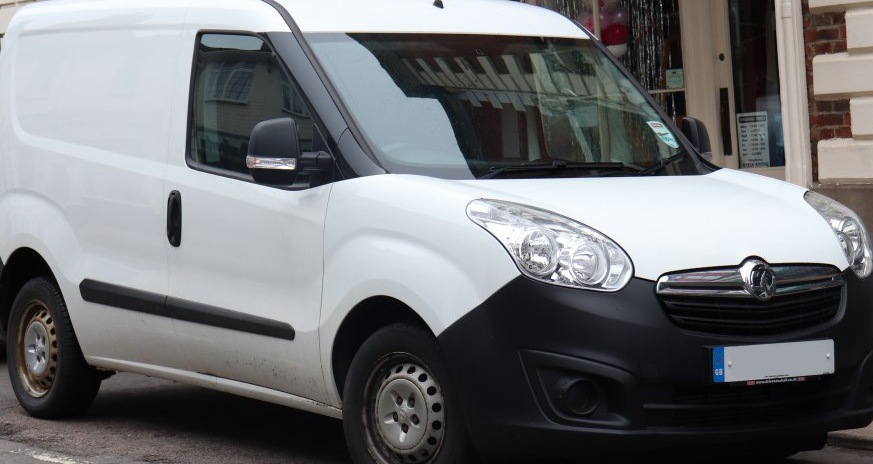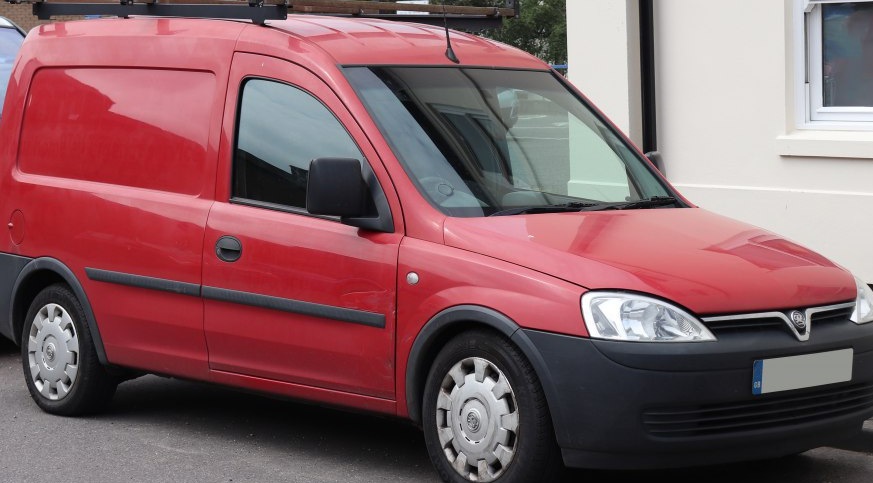
The Vauxhall Combo C 1.7 CDTI, producing 100 horsepower, was a popular variant of the Combo C generation, manufactured from 2004 to 2011. Positioned as a practical and economical choice within the Combo C lineup, it served as a workhorse vehicle for both commercial and family use. The Combo C itself was based on the Fiat Doblo and shared many components with its Italian counterpart, falling into the compact van/minivan segment. This particular 1.7 CDTI engine and configuration aimed to balance affordability with reasonable performance and fuel efficiency, making it a common sight on European roads.
1.7 CDTI Powertrain & Engine Architecture
The heart of the Combo C 1.7 CDTI is the Z17DTH engine, a 1.7-liter inline four-cylinder diesel engine. This engine is a member of the Isuzu-derived engine family used extensively by General Motors (Vauxhall’s parent company) in various light commercial vehicles and passenger cars. It utilizes a common rail direct injection system, delivering fuel directly into the combustion chamber at extremely high pressure. This technology contributes to improved fuel economy, reduced emissions, and enhanced engine responsiveness. The engine is turbocharged and intercooled, further boosting power output and efficiency. The turbocharger forces more air into the engine, while the intercooler cools the compressed air, increasing its density and allowing for more complete combustion.
The Z17DTH engine features a single overhead camshaft (SOHC) valvetrain with two valves per cylinder. This configuration strikes a balance between simplicity, reliability, and performance. The engine’s block is cast iron, providing durability, while the cylinder head is aluminum, reducing weight. The engine produces 100 hp at 4400 rpm and 240 Nm (177 lb-ft) of torque at 2300 rpm. The engine oil capacity is 5 liters (5.28 US quarts or 4.4 UK quarts), and the coolant capacity is 6.3 liters (6.66 US quarts or 5.54 UK quarts).
The Combo C 1.7 CDTI was primarily offered with a five-speed manual transmission. While an automatic transmission was available in some markets, it was less common and typically resulted in slightly reduced fuel economy and performance. The manual transmission is a conventional setup, designed for durability and ease of maintenance.
Engine Codes and Variations
The Z17DTH engine code is crucial for identifying this specific variant. While the core engine remained consistent, minor variations existed depending on the specific year of manufacture and market. These variations might include slight differences in engine management software or emissions control systems.
Driving Characteristics
The 1.7 CDTI engine in the Combo C delivers adequate, though not exhilarating, performance. Acceleration from 0 to 62 mph (0-100 km/h) takes approximately 12.5 seconds, and the top speed is around 105.63 mph (170 km/h). The engine’s strength lies in its torque, which provides good pulling power for carrying loads or navigating hilly terrain. The five-speed manual transmission is well-matched to the engine’s characteristics, offering a reasonable spread of gears for both urban and highway driving.
Compared to higher-powered versions of the Combo C, such as those equipped with larger engines, the 1.7 CDTI feels less responsive. However, it offers a significant advantage in fuel economy. The gear ratios are optimized for maximizing fuel efficiency, resulting in combined fuel consumption figures of around 5.2 l/100 km (45.2 US mpg or 54.3 UK mpg). The driving experience is generally comfortable, thanks to the Combo C’s relatively soft suspension. However, the vehicle’s high center of gravity and utilitarian design mean that it’s not particularly sporty to drive.
Equipment & Trim Levels
The Combo C 1.7 CDTI was typically offered in a relatively basic trim level, reflecting its position as an affordable workhorse vehicle. Standard equipment generally included power steering, central locking, and an adjustable steering column. Safety features typically included ABS (Anti-lock Braking System) and driver and passenger airbags. Interior upholstery was typically cloth, and the dashboard was constructed from durable, hard-wearing plastics.
Optional extras included air conditioning, electric windows, a radio/CD player, and upgraded interior trim. Higher trim levels, if available, might have added features such as alloy wheels, fog lights, and a more sophisticated audio system. The Combo C’s interior is designed with practicality in mind, offering ample storage space and a comfortable driving position. The rear seats can be folded down or removed completely, providing a large cargo area.
Chassis & Braking
The Combo C 1.7 CDTI utilizes a front-wheel-drive layout. The front suspension consists of a MacPherson strut setup, while the rear suspension employs a coil spring arrangement. This suspension configuration provides a reasonable balance between ride comfort and handling. The front brakes are ventilated discs, offering good stopping power, while the rear brakes are typically solid discs. The vehicle’s curb weight is approximately 1365 kg (3009.31 lbs), and its maximum weight is 1855 kg (4089.57 lbs). The tires are typically 185/60 R15, mounted on 6J x 15 steel or alloy wheels.
Market Reception & Comparison
The Vauxhall Combo C 1.7 CDTI was generally well-received by critics as a practical and economical van/minivan. It was praised for its fuel efficiency, spacious interior, and affordable price. However, it was also criticized for its relatively modest performance and basic interior. Compared to other trims in the Combo C lineup, the 1.7 CDTI offered the best fuel economy but the lowest performance. It was a popular choice for businesses and families who prioritized practicality and affordability over outright performance. In comparison to competitors like the Citroen Berlingo and Renault Kangoo, the Combo C 1.7 CDTI offered a similar level of practicality and economy.
Technical Specifications
| Brand | Vauxhall |
| Model | Combo C |
| Type | 1.7 CDTI (100 Hp) |
| Start of production | 2004 |
| End of production | 2011 |
| Engine Displacement | 1686 cm3 (102.89 cu. in.) |
| Engine Configuration | Inline 4 |
| Fuel Type | Diesel |
| Power | 100 Hp @ 4400 rpm |
| Torque | 240 Nm @ 2300 rpm (177.01 lb.-ft.) |
| Fuel Consumption (Urban) | 6.6 l/100 km (35.6 US mpg) |
| Fuel Consumption (Extra Urban) | 4.4 l/100 km (53.5 US mpg) |
| Fuel Consumption (Combined) | 5.2 l/100 km (45.2 US mpg) |
| Acceleration 0-60 mph | 11.9 sec |
| Acceleration 0-62 mph | 12.5 sec |
| Maximum Speed | 170 km/h (105.63 mph) |
| Kerb Weight | 1365 kg (3009.31 lbs) |
| Max. Weight | 1855 kg (4089.57 lbs) |
| Fuel Tank Capacity | 52 l (13.74 US gal) |
| Engine Code | Z17DTH |
| Transmission | 5-speed manual |
Legacy
The Vauxhall Combo C 1.7 CDTI remains a relatively common sight on used car markets today. The Z17DTH engine is generally considered to be reliable, although it’s important to check for signs of wear and tear, such as excessive smoke or oil consumption. Regular maintenance, including oil changes and timing belt replacements, is crucial for ensuring the engine’s longevity. The Combo C’s simple construction and readily available parts make it relatively easy and affordable to repair. While it may not offer the refinement or performance of more modern vans, the Combo C 1.7 CDTI continues to provide a practical and economical transportation solution for those seeking a no-frills workhorse vehicle.
The 1.7 CDTI engine, in general, has a reputation for being durable, and with proper maintenance, can reach high mileage. However, like all diesel engines, it’s susceptible to issues with the fuel injection system and turbocharger over time. The Combo C’s overall build quality is adequate, but corrosion can be a concern, particularly in areas exposed to salt during winter months. Overall, the Combo C 1.7 CDTI represents a solid, if unspectacular, choice in the used van/minivan market.