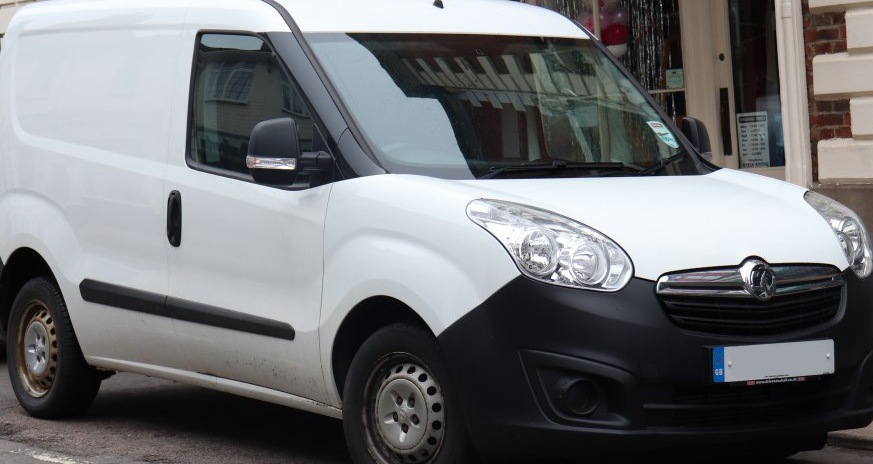
The Vauxhall Combo D 1.6 CDTI (90 hp) Ecotec was a popular light commercial vehicle and passenger-oriented minivan produced from 2011 to 2018. Part of the Combo D generation, this variant occupied the entry-level position in the lineup, offering a balance of affordability, practicality, and reasonable fuel economy. It was based on the Fiat Doblo platform, a collaborative effort between Fiat and Opel/Vauxhall (later part of Stellantis). The 1.6 CDTI 90 hp model served as a workhorse for businesses and families alike, prioritizing functionality over outright performance. It was a key component of Vauxhall’s commercial vehicle offerings during this period, competing with similar vans and minivans from Ford, Volkswagen, and Citroën.
Powertrain & Engine Architecture
The heart of the Combo D 1.6 CDTI (90 hp) is the A16FDL engine, a 1.6-liter inline four-cylinder diesel engine. This engine is part of Vauxhall/Opel’s ‘Ecotec’ family, designed with fuel efficiency and reduced emissions in mind. The A16FDL utilizes a common rail direct fuel injection system, delivering fuel directly into the combustion chamber at extremely high pressure. This system, supplied by Bosch, optimizes fuel atomization for cleaner combustion and improved power output. The engine also features a turbocharger with an intercooler, which forces more air into the cylinders, boosting power and torque. The valvetrain consists of two overhead camshafts (DOHC) operating four valves per cylinder.
While a five-speed manual transmission was available on some Combo D models, the 90 hp variant was primarily paired with a six-speed manual transmission. This gearbox was chosen to optimize fuel economy and provide a comfortable driving experience, even when fully loaded. The transmission’s gear ratios were tuned for low-end torque, making it suitable for hauling cargo or navigating urban environments. The engine produced 90 horsepower at 4000 rpm and 290 Nm (213.89 lb-ft) of torque at 1500 rpm. This torque peak, available at relatively low engine speeds, was a significant advantage for a vehicle intended for commercial use.
Fuel Injection and Turbocharging
The diesel common rail injection system is a crucial element of the A16FDL engine. It allows for precise control over fuel delivery, optimizing combustion efficiency and reducing particulate matter emissions. The turbocharger, coupled with the intercooler, significantly enhances the engine’s power output. The intercooler cools the compressed air from the turbocharger, increasing its density and further improving combustion. These technologies combined to deliver a respectable level of performance for a small-displacement diesel engine.
Driving Characteristics
The Combo D 1.6 CDTI (90 hp) offered a practical, if not particularly exciting, driving experience. Acceleration was modest, with a 0-62 mph (0-100 km/h) time of around 14.9 seconds. The focus was on usability and fuel efficiency rather than outright speed. The engine’s strong low-end torque made it well-suited for carrying loads, and the six-speed manual transmission allowed drivers to keep the engine in its optimal power band. Compared to higher-powered versions of the Combo D, such as those equipped with the 1.3 CDTI 120 hp engine, the 90 hp variant felt noticeably slower, especially when fully loaded or climbing hills. However, the lower power output also contributed to better fuel economy. The suspension was tuned for comfort and load-carrying capacity, providing a reasonably smooth ride even on uneven surfaces. Steering was light and easy, making it maneuverable in urban environments.
Equipment & Trim Levels
The Combo D 1.6 CDTI (90 hp) typically came with a relatively basic level of equipment, reflecting its position as an entry-level model. Standard features generally included power steering, ABS brakes, a driver’s airbag, and basic steel wheels. Interior upholstery was typically cloth, and the dashboard featured a functional, no-frills design. Air conditioning, electric windows, and a radio/CD player were often available as optional extras. Higher trim levels, such as the ‘Sportive’ or ‘EcoFlex’ variants, offered additional features like alloy wheels, upgraded interior trim, and more advanced audio systems. The Combo D was available in a variety of body configurations, including a panel van, a crew van, and a passenger-carrying minivan. The passenger version typically seated five occupants and offered a generous amount of cargo space, especially with the rear seats folded down.
Chassis & Braking
The Combo D 1.6 CDTI (90 hp) utilized a front-wheel-drive layout with a MacPherson strut suspension at the front and a torsion beam suspension at the rear. This suspension setup provided a good balance of comfort and handling. The braking system consisted of disc brakes at the front and drum brakes at the rear. ABS (Anti-lock Braking System) was standard, enhancing safety by preventing wheel lockup during hard braking. The steering system employed a rack and pinion setup, providing precise and responsive steering. The vehicle’s relatively light weight, combined with the modest engine power, meant that the braking system was generally adequate for its intended purpose. Stabilizer bars were typically fitted to the front suspension to reduce body roll during cornering.
Market Reception & Comparison
The Vauxhall Combo D 1.6 CDTI (90 hp) was generally well-received by critics as a practical and affordable light commercial vehicle and family minivan. It was praised for its fuel efficiency, low running costs, and spacious interior. However, it was also criticized for its relatively modest performance and basic interior trim. Compared to other trims in the Combo D lineup, the 90 hp variant offered the best fuel economy but the slowest acceleration. It was a popular choice for businesses and individuals who prioritized practicality and affordability over performance. In terms of reliability, the A16FDL engine proved to be generally robust, although some owners reported issues with the diesel particulate filter (DPF) and the fuel injection system. Fuel economy figures ranged from 39.2 to 42.8 US mpg (47.1 to 51.4 UK mpg) on the combined cycle, and CO2 emissions ranged from 145 to 158 g/km.
Technical Specifications
| Engine Model/Code | A16FDL |
| Engine Displacement | 1598 cm3 (97.52 cu. in.) |
| Number of Cylinders | 4, Inline |
| Fuel Type | Diesel |
| Power Output | 90 hp @ 4000 rpm |
| Torque Output | 290 Nm (213.89 lb-ft) @ 1500 rpm |
| Fuel Consumption (Urban) | 6.8-7.1 l/100 km (33.1-34.6 US mpg) |
| Fuel Consumption (Extra Urban) | 4.7-5.3 l/100 km (44.4-50 US mpg) |
| Fuel Consumption (Combined) | 5.5-6.0 l/100 km (39.2-42.8 US mpg) |
| CO2 Emissions | 145-158 g/km |
| Acceleration 0-62 mph | 14.9 sec |
| Maximum Speed | 158 km/h (98.18 mph) |
| Transmission | 6-speed Manual |
| Drive Type | Front Wheel Drive |
| Fuel Tank Capacity | 60 l (15.85 US gal) |
| Engine Oil Capacity | 4.9 l (5.18 US qt) |
Legacy
The Vauxhall Combo D 1.6 CDTI (90 hp) remains a relatively common sight on UK roads today, particularly as a used commercial vehicle. The A16FDL engine, while not known for its blistering performance, has proven to be reasonably reliable, provided it has been properly maintained. Regular servicing, including oil changes and DPF regeneration, is crucial for ensuring the engine’s longevity. The Combo D’s practicality and affordability continue to make it an attractive option for businesses and individuals seeking a versatile and economical light commercial vehicle or family minivan. While newer models offer more advanced features and improved performance, the Combo D 1.6 CDTI (90 hp) represents a solid and dependable choice in the used car market.