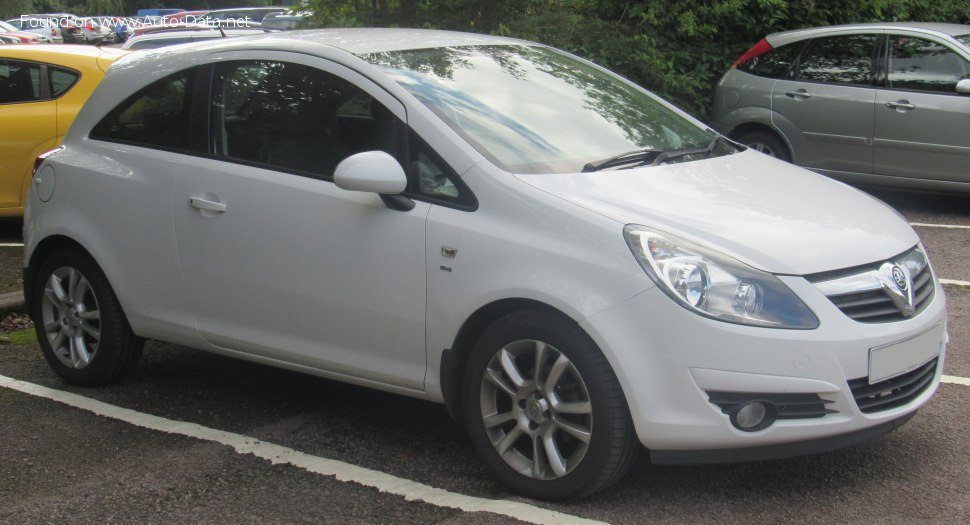
The Vauxhall Corsa D 1.3 CDTi (75 hp) ecoFLEX, produced between 2006 and 2010, represented an entry-level diesel offering within the broader Corsa D range (2006-2014). Positioned as a fuel-efficient and economical option, it catered to buyers prioritizing low running costs over outright performance. The Corsa D itself was a significant update over its predecessor, built on the General Motors Gamma platform (also known as the 1HX0/A3 platform), offering improved refinement, safety features, and a more modern interior. The ecoFLEX designation denoted specific enhancements aimed at maximizing fuel economy and reducing emissions.
Powertrain & Engine Architecture
At the heart of the Corsa D 1.3 CDTi ecoFLEX lies the Z13DTJ engine, a 1.3-liter inline four-cylinder diesel engine. This engine is a common-rail direct injection (CDI) unit, utilizing a Bosch fuel injection system capable of delivering precise fuel metering for optimized combustion. The engine produces 75 horsepower at 4000 rpm and 169 Nm (124.65 lb-ft) of torque at 2125 rpm. It features a single overhead camshaft (SOHC) operating four valves per cylinder. A turbocharger with an intercooler is employed to boost power and torque output, mitigating the typical turbo lag associated with smaller displacement engines.
The Corsa D 1.3 CDTi ecoFLEX was primarily offered with a five-speed manual transmission. However, an optional four-speed automatic transmission was available, though less common. The automatic transmission was designed for smooth operation and ease of use, prioritizing fuel efficiency over sporty performance. The automatic’s gear ratios were optimized for low-speed cruising and maximizing engine efficiency, rather than aggressive acceleration. The engine block is cast iron, providing durability, while the cylinder head is aluminum to reduce weight.
ecoFLEX Enhancements
The “ecoFLEX” designation wasn’t merely a badge. It signified a series of modifications designed to improve fuel economy. These included optimized engine mapping, reduced rolling resistance tires, and aerodynamic enhancements. The engine’s control unit (ECU) was specifically tuned to prioritize fuel efficiency, potentially at the expense of peak power. Lowered suspension and revised gear ratios in the manual transmission (where applicable) further contributed to the ecoFLEX’s improved fuel consumption figures.
Driving Characteristics
The Corsa D 1.3 CDTi (75 hp) with the automatic transmission offered a comfortable, if uninspiring, driving experience. Acceleration was modest, with a 0-62 mph (0-100 km/h) time of around 13.6 seconds. The engine felt relatively strained during hard acceleration, and overtaking required careful planning. The automatic transmission, while smooth, lacked the responsiveness of a manual gearbox. Gear changes were generally well-timed for normal driving conditions, but could feel hesitant when attempting quicker maneuvers.
Compared to the more powerful 1.7 CDTi variant, the 1.3 CDTi felt noticeably slower. The 1.7 CDTi offered a significant increase in both horsepower and torque, resulting in much brisker acceleration and improved cruising ability. However, the 1.3 CDTi excelled in urban environments, where its low-speed torque and fuel efficiency were particularly advantageous. The ride quality was generally compliant, absorbing bumps and imperfections in the road surface reasonably well. Steering was light and easy, making it well-suited for city driving.
Equipment & Trim Levels
The Corsa D 1.3 CDTi ecoFLEX typically came equipped with a basic level of standard features. These generally included power steering, central locking, electric front windows, and an adjustable steering column. Safety features included ABS (Anti-lock Braking System) and driver and passenger airbags. Interior upholstery was typically cloth, with a relatively simple dashboard layout.
Higher trim levels, such as Life, Club, and Design, offered additional features such as air conditioning, alloy wheels, a CD player with MP3 compatibility, and electric door mirrors. Optional extras included a panoramic sunroof, parking sensors, and upgraded audio systems. The ecoFLEX trim often included specific interior trim details to distinguish it from other Corsa D models.
Chassis & Braking
The Corsa D 1.3 CDTi ecoFLEX utilized a MacPherson strut front suspension and a torsion beam rear suspension. This setup provided a good balance between ride comfort and handling. The torsion beam rear suspension was a cost-effective solution, but it didn’t offer the same level of sophistication as a fully independent rear suspension.
Braking was typically accomplished with ventilated discs on the front wheels and drum brakes on the rear wheels. ABS was standard, providing enhanced braking performance in emergency situations. The relatively light weight of the 1.3 CDTi model helped to compensate for the rear drum brakes, providing adequate stopping power for most driving conditions. Stabilizer bars were fitted to both the front and rear axles to reduce body roll during cornering.
Market Reception & Comparison
The Corsa D 1.3 CDTi ecoFLEX was generally well-received by critics as a practical and economical city car. Its low fuel consumption and competitive pricing made it an attractive option for budget-conscious buyers. However, its lack of outright performance was often cited as a drawback. Compared to other small diesel hatchbacks of the time, such as the Ford Fiesta TDCi and the Renault Clio dCi, the Corsa D 1.3 CDTi offered comparable fuel economy and emissions, but often lagged behind in terms of driving dynamics.
Reliability was generally good, although some owners reported issues with the diesel particulate filter (DPF) on early models. Regular servicing and the use of high-quality diesel fuel were essential to prevent DPF blockages. The automatic transmission, while reliable, required regular fluid changes to ensure smooth operation. The 1.3 CDTi engine itself was generally considered to be robust and durable.
Technical Specifications
| Engine Type | 1.3L Inline-4 Diesel |
| Engine Code | Z13DTJ |
| Displacement | 1248 cc (76.16 cu in) |
| Power | 75 hp @ 4000 rpm |
| Torque | 169 Nm (124.65 lb-ft) @ 2125 rpm |
| Fuel Injection | Diesel Commonrail |
| Turbocharger | Yes, with Intercooler |
| Transmission | 5-Speed Manual or 4-Speed Automatic |
| Drive Wheels | Front Wheel Drive |
| Fuel Consumption (Combined) | 4.6 l/100 km (51.1 US mpg / 61.4 UK mpg) |
| CO2 Emissions | 105 g/km |
| Kerb Weight | 1035 kg (2281.78 lbs) |
| Maximum Speed | 163 km/h (101.28 mph) |
| 0-100 km/h | 13.6 sec |
| Fuel Tank Capacity | 45 liters (11.89 US gal / 9.9 UK gal) |
Legacy
The Corsa D 1.3 CDTi ecoFLEX remains a relatively common sight on used car lots today. Its affordability and fuel efficiency continue to appeal to buyers seeking a practical and economical runabout. The Z13DTJ engine, when properly maintained, has proven to be a reliable unit. However, potential buyers should be aware of the potential for DPF issues, particularly on earlier models. The automatic transmission, while generally reliable, should be inspected for smooth operation and evidence of regular fluid changes. Overall, the Corsa D 1.3 CDTi ecoFLEX represents a sensible and economical choice for those prioritizing low running costs over sporty performance.
The ecoFLEX technology pioneered in this model helped pave the way for further fuel efficiency improvements in subsequent Vauxhall/Opel vehicles. The focus on reducing emissions and maximizing fuel economy remains a key priority for the brand, and the lessons learned from the Corsa D 1.3 CDTi ecoFLEX continue to influence vehicle development today.