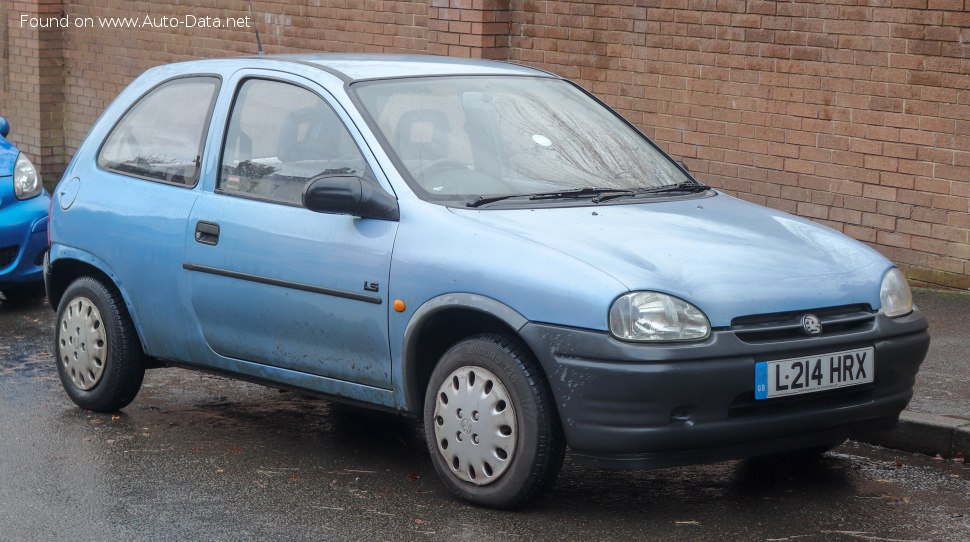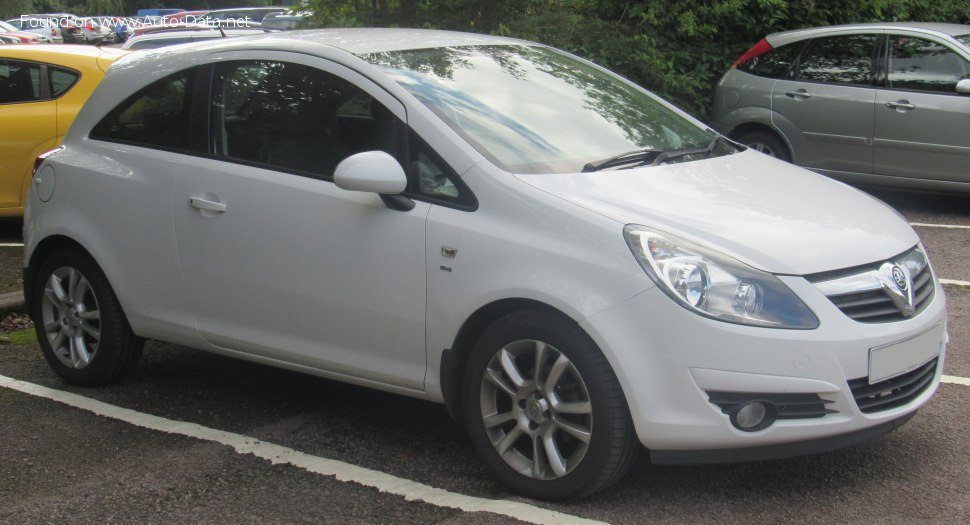
The Vauxhall Corsa D 1.4i ECOTEC (100 hp) was a popular subcompact hatchback produced between 2010 and 2013. Positioned as a mid-range offering within the Corsa D lineup, it served as a more affordable and fuel-efficient alternative to the higher-performance trims like the 1.6-liter models, while offering more power than the base 1.0-liter engine. The Corsa D itself was built on the General Motors Gamma platform, shared with other small cars like the Opel/Vauxhall Astra J and Chevrolet Cruze. This particular variant aimed to balance practicality, economy, and reasonable performance for everyday driving.
Powertrain & Engine Architecture
The heart of the Corsa D 1.4i ECOTEC is the A14XER engine, a 1.4-liter (1398 cc) inline-four cylinder gasoline engine. This engine falls under the ECOTEC family, known for its focus on efficiency and reduced emissions. It features a naturally aspirated intake and a double overhead camshaft (DOHC) valvetrain with four valves per cylinder. The engine utilizes a multi-port fuel injection system, delivering fuel directly into the intake ports. The compression ratio is set at 10.5:1, a relatively moderate figure contributing to both performance and fuel economy. The engine produces 100 horsepower at 6000 rpm and 130 Nm (95.88 lb-ft) of torque at 4000 rpm. Power per liter is a respectable 71.5 hp/l.
The 1.4i ECOTEC was typically paired with a five-speed manual transmission, however, a four-speed automatic transmission was also offered, and is the focus of this article. This automatic transmission, while providing convenience, was a traditional hydraulic automatic and not a continuously variable transmission (CVT). It featured standard gear ratios designed for smooth operation and acceptable acceleration. The automatic transmission was not known for being particularly sporty, prioritizing comfort and ease of use over aggressive shifting.
Engine Specifications (A14XER)
- Displacement: 1398 cm³ (85.31 cu. in.)
- Cylinder Bore: 73.4 mm (2.89 in.)
- Piston Stroke: 82.6 mm (3.25 in.)
- Fuel Injection: Multi-port
- Valvetrain: DOHC, 4 valves per cylinder
- Engine Oil Capacity: 4 liters (4.23 US qt | 3.52 UK qt)
- Coolant Capacity: 6 liters (6.34 US qt | 5.28 UK qt)
Driving Characteristics
The Corsa D 1.4i ECOTEC with the four-speed automatic transmission offered a comfortable, if not particularly exhilarating, driving experience. Acceleration was adequate for city driving and highway merging, but the automatic transmission’s limited number of gears meant the engine often operated at higher rpm during cruising, potentially impacting fuel economy. Compared to the five-speed manual version, the automatic resulted in slightly slower acceleration times. The automatic transmission’s shift points were programmed for smoothness, rather than performance, resulting in a less engaging driving experience for enthusiasts. The weight-to-power ratio of 10.3 kg/hp meant that the car wasn’t overly burdened, but the automatic transmission did detract from the overall responsiveness.
The gear ratios in the four-speed automatic were fairly conventional. First gear provided reasonable launch acceleration, while the higher gears were geared for fuel efficiency at cruising speeds. However, the lack of an overdrive gear meant that engine speeds were higher at highway speeds compared to more modern transmissions. The car felt most comfortable in urban environments, where the automatic transmission’s convenience outweighed its performance limitations.
Equipment & Trim Levels
The Corsa D 1.4i ECOTEC was available in several trim levels, including S, SE, and Excite. Standard equipment on the base S trim typically included power steering, central locking, electric front windows, and an ABS anti-lock braking system. The SE trim added features like alloy wheels, air conditioning, and a CD player with MP3 compatibility. The Excite trim, positioned as the top-of-the-line offering, included features like climate control, parking sensors, and upgraded interior trim.
Interior upholstery was typically cloth, with the SE and Excite trims offering upgraded fabric options. The dashboard layout was functional and straightforward, with clearly labeled controls. Optional extras included a panoramic sunroof, heated front seats, and a navigation system. Safety features included driver and passenger airbags, and side airbags were often available as an option.
Chassis & Braking
The Corsa D featured a MacPherson strut front suspension and a torsion beam rear suspension. This setup provided a good balance between ride comfort and handling. The torsion beam rear suspension was a cost-effective solution, but it didn’t offer the same level of sophistication as a fully independent rear suspension. The front suspension featured a stabilizer bar to reduce body roll during cornering.
Braking duties were handled by ventilated discs on the front wheels and drum brakes on the rear wheels. ABS (Anti-lock Braking System) was standard equipment, enhancing braking performance and stability, particularly on slippery surfaces. The braking system was adequate for the car’s weight and performance, providing sufficient stopping power for everyday driving. Electric power steering was standard, offering light and easy steering feel.
Market Reception & Comparison
The Corsa D 1.4i ECOTEC automatic was generally well-received by critics as a practical and affordable small car. It was praised for its fuel efficiency, comfortable ride, and ease of use. However, the automatic transmission was often criticized for its lack of responsiveness and limited number of gears. Compared to the 1.0-liter version, the 1.4i offered a noticeable improvement in performance, making it a more suitable choice for drivers who frequently drove on highways or carried passengers. Compared to the higher-performance 1.6-liter models, the 1.4i was more economical to run, but it lacked the same level of driving excitement.
Fuel economy figures were competitive for the class, with combined fuel consumption averaging around 5.5 l/100 km (42.8 US mpg / 51.4 UK mpg). Reliability was generally good, although some owners reported issues with the automatic transmission over the long term. The Corsa D 1.4i ECOTEC automatic represented a good value proposition for buyers seeking a practical and economical small car.
Technical Specifications
| Body Type | Hatchback, 3-5 Doors |
| Engine Type | Inline-4, Gasoline |
| Engine Displacement | 1398 cm³ (85.31 cu. in.) |
| Engine Code | A14XER |
| Power Output | 100 hp @ 6000 rpm |
| Torque Output | 130 Nm (95.88 lb-ft) @ 4000 rpm |
| Transmission | 4-speed Automatic |
| Drive Type | Front-Wheel Drive |
| Fuel Consumption (Urban) | 7 l/100 km (33.6 US mpg / 40.4 UK mpg) |
| Fuel Consumption (Extra Urban) | 4.6 l/100 km (51.1 US mpg / 61.4 UK mpg) |
| Fuel Consumption (Combined) | 5.5 l/100 km (42.8 US mpg / 51.4 UK mpg) |
| CO2 Emissions | 149 g/km |
| Kerb Weight | 1030 kg (2270.76 lbs) |
| Max Weight | 1555 kg (3428.19 lbs) |
| Fuel Tank Capacity | 45 liters (11.89 US gal / 9.9 UK gal) |
| Length | 3999 mm (157.44 in) |
| Width | 1737 mm (68.39 in) |
| Height | 1488 mm (58.58 in) |
Legacy
The Corsa D 1.4i ECOTEC automatic, while not a performance icon, remains a relatively common sight on used car lots. The A14XER engine is generally considered reliable, although regular maintenance is crucial to prevent issues. The four-speed automatic transmission is the component most likely to require attention over time, with some owners reporting issues with shifting smoothness and durability. Today, these Corsas represent an affordable entry point into small car ownership, offering reasonable fuel economy and practicality. They are often favored by first-time drivers or those seeking a low-cost, reliable city car. The Corsa D, in general, helped solidify Vauxhall’s position as a major player in the UK small car market.