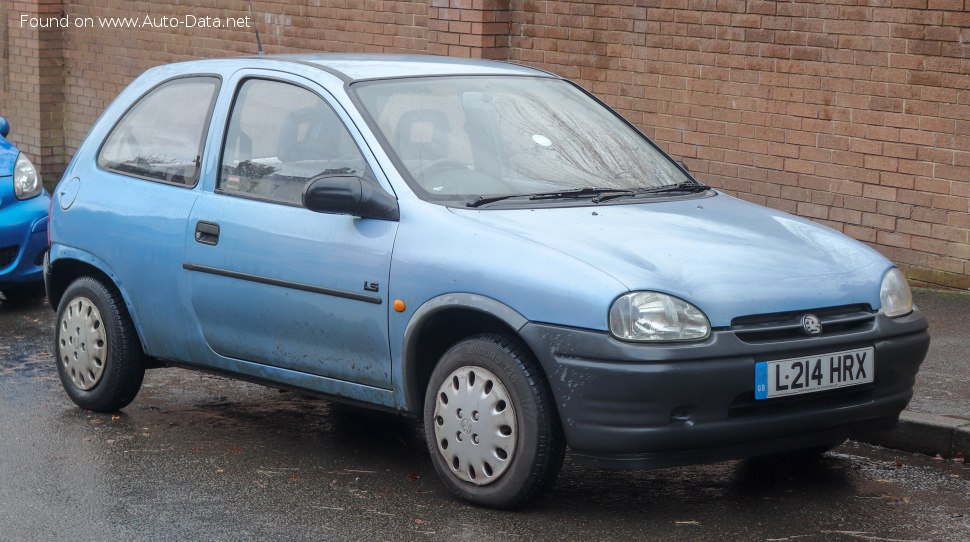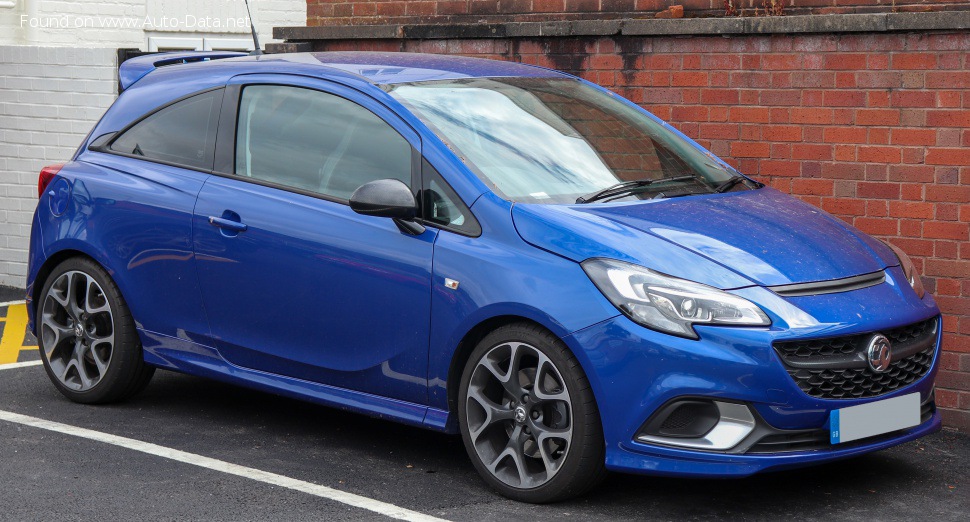
The Vauxhall Corsa E, produced from 2014 to April 2018, represents the fifth generation of a highly successful supermini (B-segment) vehicle primarily marketed in Europe. Badged as an Opel Corsa across most of the continent, it was sold as a Vauxhall in the United Kingdom, a market where the Corsa has consistently ranked among the best-selling cars for decades. This generation built upon its predecessors’ reputation for affordability, practicality, and urban maneuverability, introducing significant updates in design, technology, and powertrain efficiency. The specific variant under examination, the Vauxhall Corsa E 1.4i Turbo ecoFLEX (100 Hp) start/stop, epitomized the model’s push towards downsized, turbocharged engines combined with advanced fuel-saving technologies, aiming to deliver a compelling balance of performance and economy for the discerning European driver.
The Vauxhall Corsa E 1.4i Turbo ecoFLEX (100 Hp) Start/Stop: Positioning and Overview
The 1.4i Turbo ecoFLEX (100 Hp) variant occupied a mid-range position within the Corsa E lineup. It sat above the base 1.0-liter naturally aspirated models, offering a significant performance upgrade, and below the more powerful 1.4-liter Turbo models producing 120 or 150 horsepower. This positioning aimed to attract buyers who desired a blend of efficiency and respectable performance without the higher cost associated with the top-tier trims. It was marketed towards drivers who frequently commute in urban environments but also occasionally undertake longer journeys, prioritizing fuel economy and a comfortable driving experience.
Powertrain & Engine Architecture
At the core of the Corsa E 1.4i Turbo ecoFLEX was the B14NEJ engine, a 1.4-liter (1364 cc) inline-four cylinder gasoline engine. This engine utilized a single-scroll turbocharger with an intercooler to boost power and efficiency. Fuel delivery was managed by a multi-port fuel injection system, ensuring precise fuel atomization for optimal combustion. The engine featured a dual overhead camshaft (DOHC) valvetrain with four valves per cylinder, contributing to its responsive nature and broad powerband.
The engine’s 100 horsepower at 3500-6000 rpm and 147.51 lb-ft of torque between 1850-3500 rpm were delivered through a six-speed manual transmission. This transmission was chosen for its balance of efficiency and driver engagement. The gear ratios were optimized to maximize fuel economy during highway cruising while still providing sufficient acceleration for overtaking maneuvers. The ecoFLEX designation included a Start/Stop system, which automatically shut off the engine when the vehicle was stationary, reducing fuel consumption and emissions. The engine also incorporated features like low-friction coatings and optimized engine management software to further enhance efficiency.
Engine Code Specifics: B14NEJ
The B14NEJ engine code signifies a specific iteration of the 1.4-liter turbocharged engine used in various Opel/Vauxhall models. It’s characterized by its Euro 6 compliance, achieved through advanced exhaust aftertreatment systems. The engine block is constructed from aluminum alloy, contributing to weight reduction. The turbocharger is a key component, providing boost pressure to increase power output. The engine’s design prioritizes thermal management, with features like a water-cooled exhaust manifold to reduce emissions and improve efficiency.
Driving Characteristics
The Corsa E 1.4i Turbo ecoFLEX offered a noticeable improvement in driving experience compared to the base 1.0-liter models. The turbocharger provided a readily available boost of power, making overtaking and merging onto highways considerably easier. While not a performance-oriented variant, the 100 hp engine delivered adequate acceleration for everyday driving. The six-speed transmission allowed drivers to keep the engine within its optimal powerband, maximizing efficiency and responsiveness. Compared to the higher-output 1.4-liter Turbo models, the 100 hp version offered a more relaxed driving experience, prioritizing fuel economy over outright performance. The steering was light and precise, making it easy to maneuver in urban environments. The suspension provided a comfortable ride, absorbing bumps and imperfections in the road surface effectively.
Equipment & Trim Levels
The 1.4i Turbo ecoFLEX trim typically included standard features such as air conditioning, power windows, power door locks, and a basic audio system with USB connectivity. Higher trim levels added features like a touchscreen infotainment system with Bluetooth connectivity, alloy wheels, cruise control, and parking sensors. Interior upholstery was typically cloth, with options for upgraded materials and designs. Safety features included ABS, electronic stability control, and multiple airbags. Optional extras included a panoramic sunroof, heated seats, and a more advanced audio system. The dashboard layout was functional and user-friendly, with clearly labeled controls and a straightforward instrument cluster.
Chassis & Braking
The Corsa E utilized a McPherson strut front suspension and a semi-independent torsion beam rear suspension. This setup provided a good balance of ride comfort and handling. The front suspension featured a stabilizer bar to reduce body roll during cornering. The braking system consisted of disc brakes on all four wheels, providing adequate stopping power. ABS (Anti-lock Braking System) was standard, enhancing braking performance in emergency situations. The steering system was an electric power-assisted rack and pinion system, offering light and precise steering feel. The chassis was designed to be lightweight, contributing to improved fuel efficiency and handling.
Market Reception & Comparison
Critics generally praised the Corsa E 1.4i Turbo ecoFLEX for its fuel efficiency, comfortable ride, and improved interior quality compared to its predecessor. The engine was considered a good compromise between performance and economy. However, some reviewers noted that the interior plastics felt somewhat low-rent in certain areas. Compared to rivals like the Ford Fiesta and Volkswagen Polo, the Corsa E was often seen as offering a more affordable option with a slightly less refined driving experience. In terms of fuel economy, the 1.4i Turbo ecoFLEX consistently outperformed the higher-output 1.4-liter Turbo models, achieving combined fuel consumption figures of around 46.1 US mpg. Reliability reports suggested that the B14NEJ engine was generally reliable, although some owners reported issues with the turbocharger and fuel injectors over the long term.
Technical Specifications
| Category | Specification |
| Brand | Vauxhall |
| Model | Corsa E |
| Type (Engine) | 1.4i Turbo ecoFLEX (100 Hp) start/stop |
| Production Start | 2014 |
| Production End | April, 2018 |
| Body Type | Hatchback |
| Seats | 5 |
| Doors | 5 |
| Fuel Consumption (Urban) | 36.8 US mpg (6.4 l/100 km) |
| Fuel Consumption (Extra Urban) | 54.7 US mpg (4.3 l/100 km) |
| Fuel Consumption (Combined) | 46.1 US mpg (5.1 l/100 km) |
| CO2 Emissions | 119 g/km |
| Fuel Type | Gasoline |
| Acceleration 0-60 mph | 10.5 sec |
| Maximum Speed | 114.95 mph (185 km/h) |
| Emission Standard | Euro 6 |
| Power | 100 Hp @ 3500-6000 rpm |
| Torque | 147.51 lb.-ft. (200 Nm) @ 1850-3500 rpm |
| Engine Displacement | 1.4 liters (1364 cm3 / 83.24 cu. in.) |
| Engine Model/Code | B14NEJ |
Legacy
The Vauxhall Corsa E 1.4i Turbo ecoFLEX (100 Hp) start/stop remains a relatively common sight on used car lots today. The B14NEJ engine, while not without its potential issues, has proven to be reasonably durable with proper maintenance. The availability of affordable spare parts and a widespread network of mechanics contribute to its continued viability. The Corsa E’s reputation for affordability and practicality continues to attract buyers seeking a budget-friendly supermini. However, potential buyers should be aware of potential issues with the turbocharger and fuel injectors, and a thorough inspection is recommended before purchase. The Corsa E represents a significant step forward in terms of refinement and efficiency for the Corsa line, solidifying its position as a popular choice in the European supermini segment.