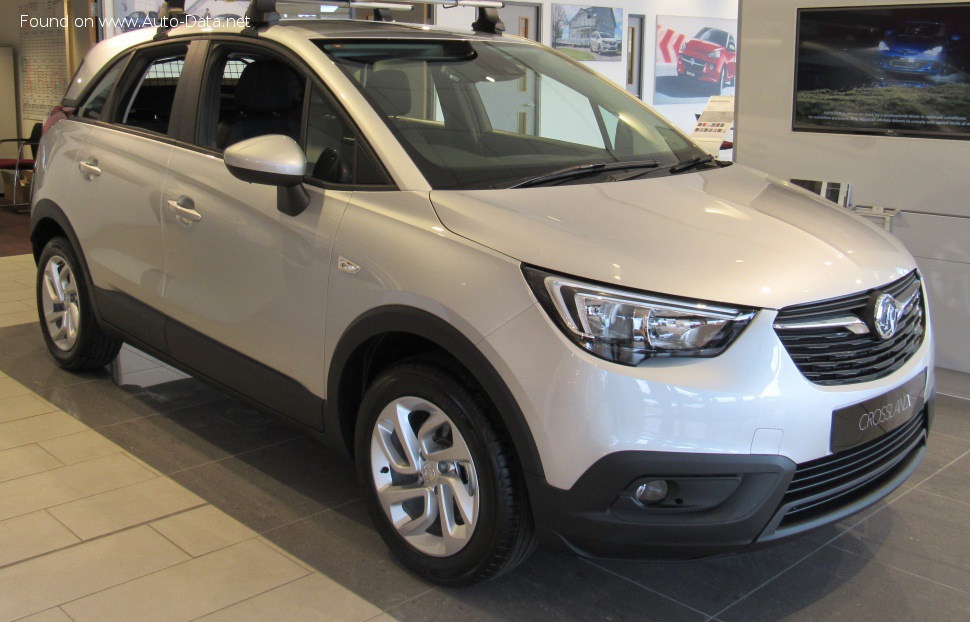
The Vauxhall Crossland (facelift 2020) 1.5 Turbo D (110 hp) represents a mid-cycle refresh of the Crossland X, a subcompact crossover SUV aimed primarily at the European market. Introduced in October 2020, the facelift dropped the “X” from the name, streamlining the model’s identity. Built on the PSA Group’s PF1 platform (shared with the Opel/Peugeot 2008 and Citroën C3 Aircross), the Crossland is a rebadged version of the Opel Crossland, benefiting from Stellantis’ engineering resources. This 1.5 Turbo D variant, producing 110 horsepower, was positioned as a fuel-efficient and practical option within the Crossland lineup, targeting buyers prioritizing low running costs and everyday usability.
The 1.5 Turbo D (110 hp) Crossland: A Trim Level Overview
The 1.5 Turbo D (110 hp) trim occupied a significant space in the Crossland range. It wasn’t the base model – that role was typically filled by a lower-powered gasoline engine – but it wasn’t positioned as a premium offering either. Instead, it served as a sweet spot for many buyers, offering a balance between affordability, fuel economy, and acceptable performance. It was aimed at families and individuals who frequently undertake longer journeys or require a vehicle capable of carrying loads, where the diesel engine’s torque advantage was particularly beneficial. Compared to the gasoline-powered Crosslands, the 1.5 Turbo D offered superior fuel efficiency and stronger low-end pulling power, albeit with a slightly higher purchase price and potentially increased maintenance costs associated with diesel technology.
Powertrain & Engine Architecture
The core of the Crossland 1.5 Turbo D is the F15DT engine, a 1.5-liter inline four-cylinder diesel. This engine utilizes common-rail direct injection, delivering fuel directly into the combustion chamber at extremely high pressure. This technology, coupled with a variable geometry turbocharger, optimizes combustion efficiency and enhances power delivery. The engine features a Double Overhead Camshaft (DOHC) valvetrain with four valves per cylinder, contributing to improved breathing and overall performance. The turbocharger is a key component, providing boost across a wide RPM range, minimizing turbo lag and delivering a more responsive driving experience. The engine also incorporates exhaust gas recirculation (EGR) and a diesel particulate filter (DPF) to meet stringent European emission standards. The engine’s output is rated at 110 horsepower (81 kW) and 188 lb-ft of torque. This torque figure is particularly noteworthy, providing ample pulling power for everyday driving and load-carrying. The engine is typically paired with a six-speed manual transmission, although an eight-speed automatic transmission was also available as an option, albeit less common.
Driving Characteristics
The driving experience in the Crossland 1.5 Turbo D is characterized by its relaxed and efficient nature. The 110 hp engine doesn’t offer blistering acceleration – 0 to 62 mph takes around 11.8 seconds – but it provides sufficient power for comfortable cruising and overtaking. The engine’s strong low-end torque is immediately noticeable, making it easy to pull away from a standstill and navigate urban traffic. The six-speed manual transmission is well-matched to the engine’s characteristics, offering smooth gear changes and allowing the driver to keep the engine in its optimal power band. The optional eight-speed automatic transmission provides even greater convenience, particularly in stop-and-go traffic. Compared to the gasoline-powered Crosslands, the diesel variant feels more composed and less strained when fully loaded. However, the diesel engine is noticeably louder and more vibratory than its gasoline counterparts, particularly at idle. The suspension is tuned for comfort, absorbing bumps and imperfections in the road surface effectively. The steering is light and precise, making it easy to maneuver in tight spaces.
Equipment & Trim Levels
The Crossland 1.5 Turbo D (110 hp) was available in several trim levels, each offering a different level of equipment. Standard features typically included air conditioning, a touchscreen infotainment system with Bluetooth connectivity, USB ports, and a suite of safety features such as ABS, ESP, and multiple airbags. Higher trim levels added features such as alloy wheels, a rear parking sensor, a reversing camera, a larger touchscreen display, and a panoramic sunroof. Interior upholstery ranged from basic cloth to more premium materials in higher trims. The dashboard layout was generally functional and user-friendly, with logically arranged controls. Optional extras included navigation system, adaptive cruise control, and a premium sound system. The interior space was a key selling point, offering ample headroom and legroom for both front and rear passengers. The rear seats could be folded down to increase cargo capacity, making the Crossland a versatile vehicle for families and individuals with active lifestyles.
Chassis & Braking
The Crossland utilizes a front-wheel-drive chassis with independent suspension at the front and a torsion beam suspension at the rear. The torsion beam setup is a cost-effective solution that provides adequate ride comfort and handling characteristics for the intended use case. The steering system is an electric power-assisted steering (EPAS) system, offering light and precise steering feel. The braking system consists of ventilated disc brakes at the front and drum brakes at the rear. While the front discs provide ample stopping power, the rear drums are a cost-saving measure that may not offer the same level of performance as rear discs. Stabilizer bars are fitted to both the front and rear axles to reduce body roll during cornering. The Crossland’s suspension tuning prioritizes comfort over outright handling prowess, resulting in a stable and predictable ride.
Market Reception & Comparison
The Vauxhall Crossland 1.5 Turbo D (110 hp) received generally positive reviews from automotive critics. It was praised for its fuel efficiency, comfortable ride, and practical interior space. However, some critics noted the engine’s lack of outright performance and the slightly coarse nature of the diesel engine. Compared to other subcompact crossovers in the European market, such as the Peugeot 2008 and Renault Captur, the Crossland offered a competitive package in terms of price, fuel economy, and practicality. The diesel variant consistently outperformed its gasoline counterparts in fuel economy tests, making it an attractive option for high-mileage drivers. Reliability reports suggest that the 1.5 Turbo D engine is generally reliable, although owners should be aware of the potential for DPF issues, particularly if the vehicle is primarily used for short journeys. Regular servicing and the use of high-quality diesel fuel are essential for maintaining the engine’s health and preventing DPF blockages.
Technical Specifications
| Engine Type | 1.5L Turbo Diesel (F15DT) |
| Cylinders | 4 |
| Valves per Cylinder | 4 |
| Displacement | 1499 cc (91.4 cu in) |
| Maximum Power | 110 hp (81 kW) @ 3750 rpm |
| Maximum Torque | 188 lb-ft (255 Nm) @ 1750 rpm |
| Fuel System | Common Rail Direct Injection |
| Turbocharger | Variable Geometry Turbocharger |
| Transmission | 6-Speed Manual or 8-Speed Automatic |
| Drive Type | Front-Wheel Drive |
| 0-62 mph | 11.8 seconds (approx.) |
| Fuel Economy (Combined) | 57.7 – 62.8 mpg (WLTP) |
| CO2 Emissions | 128 – 134 g/km (WLTP) |
Legacy
The Vauxhall Crossland 1.5 Turbo D (110 hp) remains a relatively common sight on European roads. The F15DT engine has proven to be a durable and reliable unit when properly maintained. In the used car market, these models offer good value for money, providing a practical and fuel-efficient transportation solution. However, potential buyers should be aware of the potential for DPF issues and ensure that the vehicle has been regularly serviced. The Crossland, as a whole, represents a significant step forward for Vauxhall in the subcompact crossover segment, offering a compelling alternative to established rivals. While the model has since been replaced by the all-new Crossland, the 1.5 Turbo D variant continues to be a popular choice for those seeking a practical and economical vehicle.