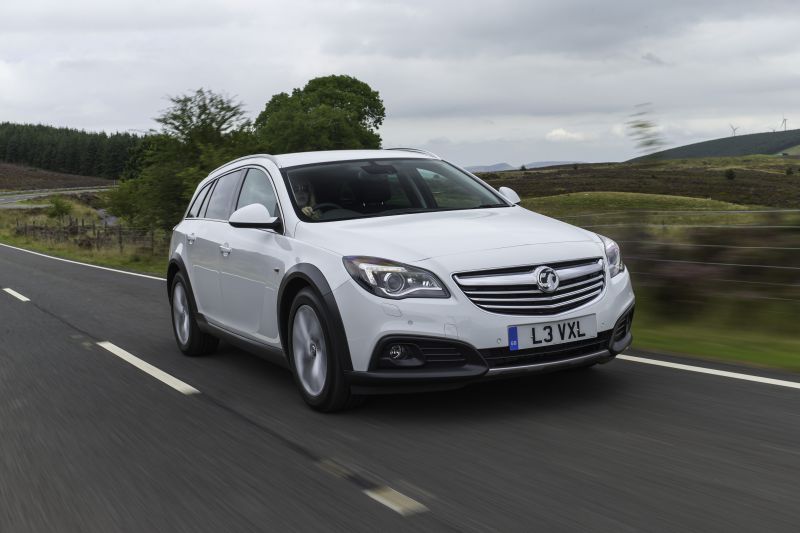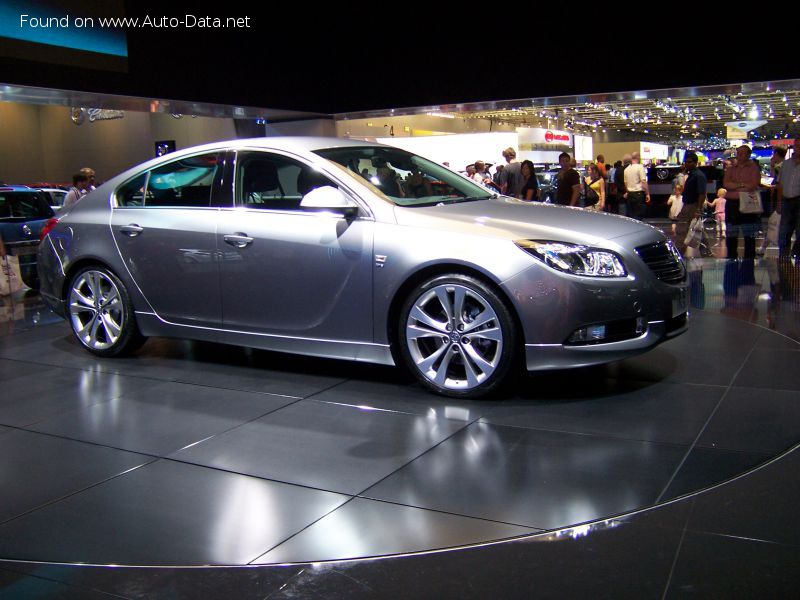
The Vauxhall Insignia I Hatchback 2.0 CDTi ecoTEC (160 Hp), manufactured between 2008 and 2013, represented a pivotal moment for General Motors in Europe, and specifically for its British brand, Vauxhall. Designed to replace the Vectra, a mainstay of the British fleet market for decades, the Insignia aimed to move Vauxhall upmarket and compete more effectively in the crowded European D-segment – the mid-size family car class. The Insignia distinguished itself from the Vectra with a more sculpted, modern design, and a focus on delivering a more engaging driving experience. While never officially sold in the United States, the Insignia provides a case study in European automotive engineering and design during the late 2000s and early 2010s, showcasing advancements in diesel engine technology, chassis dynamics, and in-car technology aimed at the European consumer.
The Vauxhall Insignia: A European Design Philosophy
The Insignia was a product of GM’s European design studios, with significant input from the Russelsheim, Germany facility. It was conceived as a global vehicle, sharing its platform – the GM Epsilon II – with other GM products like the Chevrolet Malibu and the Saab 9-3. However, the Insignia was specifically tailored for the European market, prioritizing fuel efficiency, ride comfort on often-challenging European roads, and a sophisticated aesthetic. The hatchback body style, while available, was less common in some European markets than the traditional saloon (sedan) or estate (wagon) versions. The Insignia’s design language, characterized by its flowing lines and prominent front grille, was a deliberate attempt to distance itself from the more conservative styling of the Vectra and appeal to a broader, more style-conscious audience. The vehicle was sold under various brands across Europe, including Opel (the continental European equivalent of Vauxhall).
Engine & Performance
The 2.0 CDTi ecoTEC engine, the focus of this review, was a key component of the Insignia’s appeal. This 2.0-liter turbocharged diesel engine produced 160 horsepower and a substantial 258 lb-ft of torque. The “ecoTEC” designation signified GM’s efforts to improve fuel efficiency and reduce emissions. The engine featured common-rail direct injection, a variable geometry turbocharger, and a diesel particulate filter (DPF) to meet stringent European emission standards. The engine was available with either a six-speed manual transmission or a six-speed automatic transmission. Performance was respectable for a mid-size family car, with a 0-62 mph (0-100 km/h) time of around 9.8 seconds and a top speed of approximately 130 mph (210 km/h). The emphasis, however, was not on outright speed but on providing strong, usable torque across a wide rev range, making it well-suited for long-distance cruising and overtaking. Fuel economy was a significant selling point, with combined cycle figures averaging around 53 mpg (5.4 liters/100km), making it an attractive option for drivers covering high mileages. The engine’s refinement was also noteworthy for a diesel of its era, with relatively low levels of noise and vibration.
Design & Features
The Insignia I Hatchback presented a sleek, five-door hatchback profile. Its design was notable for its sculpted bodywork, a prominent front grille, and distinctive swept-back headlights. The interior was designed to offer a more premium feel than the Vectra, with improved materials and a more modern dashboard layout. Standard features typically included air conditioning, electric windows, a CD/radio system, and alloy wheels. Higher trim levels offered features such as leather upholstery, a sunroof, a navigation system, and advanced safety systems.
Safety was a key consideration in the Insignia’s design. It achieved a five-star Euro NCAP safety rating, thanks to features like multiple airbags, anti-lock brakes (ABS), electronic stability control (ESC), and traction control. The Insignia also incorporated features like adaptive cruise control, lane departure warning, and a forward collision alert system, which were relatively advanced for a vehicle in its class at the time. The hatchback configuration offered good practicality, with a reasonably spacious boot (cargo area) and folding rear seats to increase load capacity. The Insignia’s suspension was tuned to provide a comfortable ride, while also offering decent handling characteristics. The steering was generally well-weighted and responsive, contributing to an engaging driving experience. The Insignia’s design aimed to balance practicality, comfort, and style, making it a versatile option for families and individuals alike.
Technical Specifications
| Engine Type | 2.0L Turbo Diesel (CDTi ecoTEC) |
| Displacement | 1998 cc |
| Maximum Power | 160 hp (118 kW) @ 4000 rpm |
| Maximum Torque | 258 lb-ft (350 Nm) @ 1750-2500 rpm |
| Fuel System | Common Rail Direct Injection |
| Turbocharger | Variable Geometry Turbocharger |
| Emission Standard | Euro 5 |
| Transmission | 6-Speed Manual or 6-Speed Automatic |
| Drive Type | Front-Wheel Drive |
| 0-62 mph (0-100 km/h) | 9.8 seconds (approx.) |
| Top Speed | 130 mph (210 km/h) (approx.) |
| Combined Fuel Economy | 53 mpg (5.4 L/100km) (approx.) |
| CO2 Emissions | 139 g/km (approx.) |
| Vehicle Weight (Curb) | 3,585 lbs (1,626 kg) (approx.) |
| Body Style | 5-Door Hatchback |
| Production Years | 2008 – 2013 |
The Vauxhall Insignia I, particularly the 2.0 CDTi ecoTEC variant, represented a significant step forward for Vauxhall in terms of design, technology, and driving experience. While not sold in the US market, it served as a compelling offering in the European D-segment, appealing to buyers seeking a stylish, efficient, and well-equipped family car. Its success paved the way for the subsequent generations of the Insignia, solidifying its position as a key model in Vauxhall’s lineup and demonstrating GM’s ability to adapt to the evolving demands of the European automotive market.