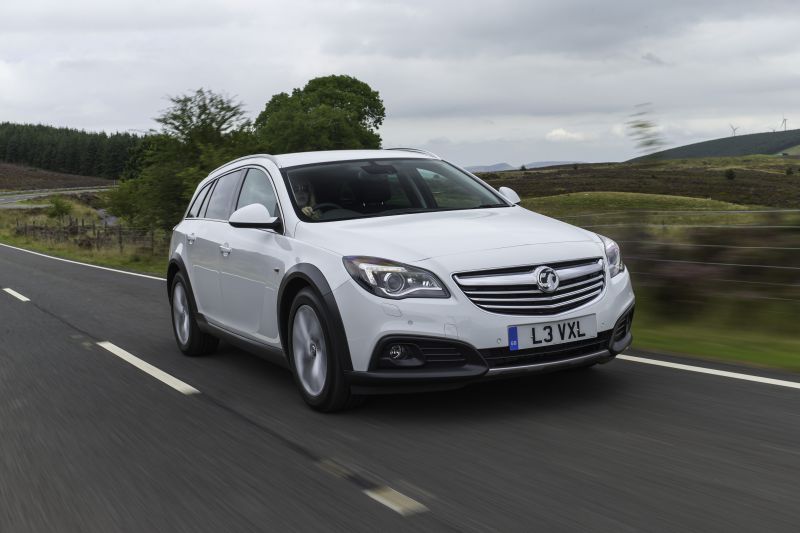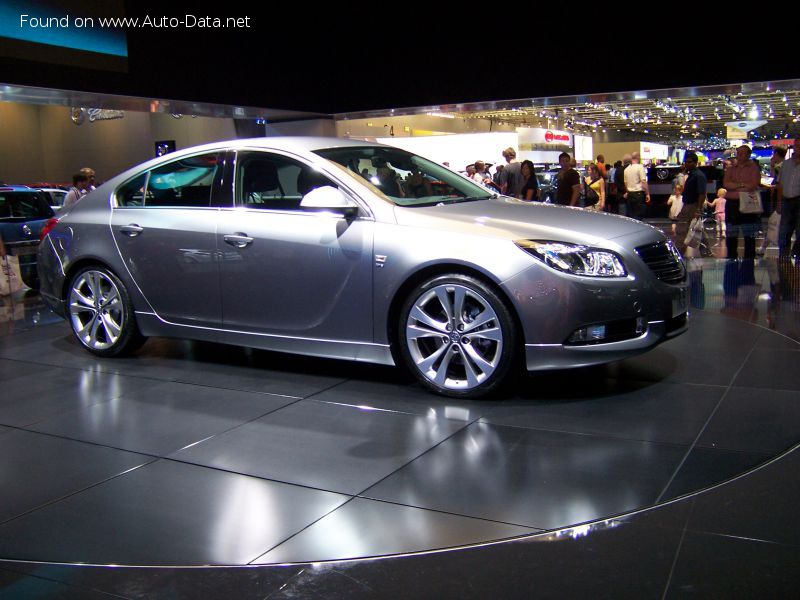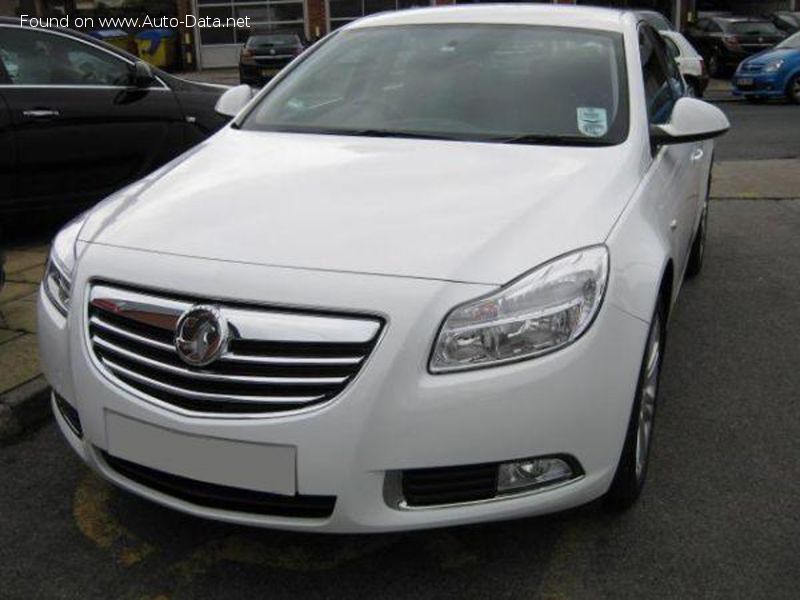
The Vauxhall Insignia I Saloon 2.0i Turbo ecoTEC (220 Hp) AWD Automatic represents a significant chapter in the history of Vauxhall, the British arm of General Motors’ European operations (primarily Opel). Launched in 2008, the first-generation Insignia was a pivotal model, replacing the long-running Vectra and aiming to elevate the brand’s image in the highly competitive European D-segment (mid-size car category). This particular variant, with its potent 2.0-liter turbocharged engine, all-wheel-drive system, and automatic transmission, was positioned as a premium offering within the Insignia lineup, blending performance with sophisticated road manners and enhanced traction.
Vauxhall Insignia I Saloon: A Detailed Overview
The Insignia I Saloon was produced from 2008 to 2013, during which it garnered critical acclaim for its striking design, improved interior quality, and advanced technology for its class. As a vehicle primarily sold in the United Kingdom and continental Europe (where it was badged as the Opel Insignia), it carved out a niche as a stylish and capable alternative to established players. While never officially sold in the United States under the Vauxhall badge, its underlying platform and engineering principles were shared with models like the Buick Regal, demonstrating its global engineering relevance. This detailed article explores the technical prowess, design philosophy, and market impact of this specific and noteworthy iteration of the Insignia.
Engine & Performance
At the heart of the Vauxhall Insignia I Saloon 2.0i Turbo ecoTEC (220 Hp) AWD Automatic lies a sophisticated 2.0-liter (1998 cm³, or 121.93 cubic inches) inline-four cylinder engine, designated by the code A20NHT. This powertrain was a testament to GM’s commitment to modern engine technology, featuring direct fuel injection and a twin-scroll turbocharger paired with an intercooler. These technologies worked in concert to deliver a robust output of 220 horsepower at 5300 rpm, a significant figure for a mainstream sedan of its era. The engine’s DOHC (Double Overhead Camshaft) valvetrain further optimized combustion efficiency and power delivery across the rev range.
The turbocharger was instrumental in providing a broad and accessible torque curve, peaking at an impressive 258.15 pound-feet (350 Nm) available consistently between 2000 and 4000 rpm. This wide torque band ensured responsive acceleration and strong in-gear performance, making the Insignia feel effortless in various driving conditions, from city commuting to highway cruising. Power was routed through a conventional 6-speed automatic transmission to an advanced all-wheel-drive (AWD) system. This AWD setup provided enhanced traction and stability, particularly beneficial in adverse weather conditions or on challenging road surfaces, contributing to a more secure and confident driving experience.
Performance figures for this variant were commendable: it could accelerate from 0 to 60 mph in a brisk 7.0 seconds (0-100 km/h in 7.4 seconds) and reach a top speed of 146.64 mph (236 km/h). Despite its performance capabilities and AWD system, Vauxhall also emphasized its “ecoTEC” designation, signifying efforts towards improved fuel economy and reduced emissions. The combined fuel consumption was rated at 24 US mpg (9.8 l/100 km), with CO2 emissions of 229 g/km, meeting the Euro 5 emission standard. The engine’s design, with an identical bore and piston stroke of 86 mm (3.39 inches), indicated a square engine configuration, often favored for its balance between power and torque characteristics.
Design & Features
The first-generation Vauxhall Insignia marked a radical departure from its predecessor, the Vectra, with a design language that was both elegant and assertive. The Saloon (sedan) body type, with its four doors and seating for five occupants, exuded a sleek, coupé-like profile, a trend that was gaining popularity in the late 2000s. Its drag coefficient (Cd) of 0.27 was highly competitive, contributing to both fuel efficiency and reduced wind noise at higher speeds. The vehicle measured 190.16 inches (4830 mm) in length, 73.07 inches (1856 mm) in width (82.05 inches or 2084 mm including mirrors), and stood 58.98 inches (1498 mm) tall, giving it a substantial and imposing road presence.
Key design elements included a prominent front grille, distinctive “eagle-eye” headlamps, and flowing character lines along the flanks, all contributing to its award-winning aesthetics. Inside, the Insignia offered a significantly upgraded cabin compared to previous Vauxhall models, with higher-quality materials, improved ergonomics, and a more sophisticated design. Standard features on this 2.0i Turbo ecoTEC AWD Automatic model would have included a comprehensive set of amenities for the era, such as climate control, power windows and mirrors, and a robust infotainment system.
Safety was a paramount concern, and the Insignia came equipped with an Anti-lock Braking System (ABS) as standard, along with multiple airbags and electronic stability control, contributing to its strong Euro NCAP safety ratings. The ride quality was enhanced by an independent McPherson strut front suspension with coil springs and an anti-roll bar, complemented by an independent multi-link rear suspension. This sophisticated suspension setup, combined with the all-wheel-drive system and hydraulic power steering, provided a balanced blend of comfort and dynamic handling. Braking power was supplied by ventilated discs at the front and solid discs at the rear, ensuring confident stopping performance. The vehicle rode on 18-inch wheels fitted with 245/45 R18 tires, providing ample grip and a sporty stance. Practicality was also a strong suit, with a minimum trunk space of 17.3 cubic feet (490 liters), expandable to 35.67 cubic feet (1010 liters) with the rear seats folded, making it suitable for family use or long journeys. The fuel tank capacity of 18.49 US gallons (70 liters) offered a decent range between fill-ups.
Technical Specifications
| Brand | Vauxhall |
| Model | Insignia |
| Generation | Insignia I Saloon |
| Type (Engine) | 2.0i Turbo ecoTEC (220 Hp) AWD Automatic |
| Start of production | 2008 year |
| End of production | 2013 year |
| Powertrain Architecture | Internal Combustion engine |
| Body type | Sedan |
| Seats | 5 |
| Doors | 4 |
| Fuel consumption (economy) – urban | 14.3 l/100 km / 16.4 US mpg |
| Fuel consumption (economy) – extra urban | 7.2 l/100 km / 32.7 US mpg |
| Fuel consumption (economy) – combined | 9.8 l/100 km / 24 US mpg |
| CO2 emissions | 229 g/km |
| Fuel Type | Petrol (Gasoline) |
| Acceleration 0 – 60 mph | 7.0 sec |
| Acceleration 0 – 100 km/h | 7.4 sec |
| Maximum speed | 236 km/h / 146.64 mph |
| Emission standard | Euro 5 |
| Weight-to-power ratio | 7.7 kg/Hp, 129.8 Hp/tonne |
| Weight-to-torque ratio | 4.8 kg/Nm, 206.5 Nm/tonne |
| Power | 220 Hp @ 5300 rpm. |
| Power per liter | 110.1 Hp/l |
| Torque | 350 Nm @ 2000-4000 rpm. / 258.15 lb.-ft. @ 2000-4000 rpm. |
| Engine layout | Front, Transverse |
| Engine Model/Code | A20NHT |
| Engine displacement | 1998 cm³ / 121.93 cu. in. |
| Number of cylinders | 4 |
| Engine configuration | Inline |
| Cylinder Bore | 86 mm / 3.39 in. |
| Piston Stroke | 86 mm / 3.39 in. |
| Compression ratio | 9.3:1 |
| Number of valves per cylinder | 4 |
| Fuel injection system | Direct injection |
| Engine aspiration | Twin-scroll turbo, Intercooler |
| Valvetrain | DOHC |
| Engine oil capacity | 6 l / 6.34 US qt |
| Coolant | 7.3 l / 7.71 US qt |
| Kerb Weight | 1695 kg / 3736.84 lbs. |
| Max. weight | 2275 kg / 5015.52 lbs. |
| Max load | 580 kg / 1278.68 lbs. |
| Trunk (boot) space – minimum | 490 l / 17.3 cu. ft. |
| Trunk (boot) space – maximum | 1010 l / 35.67 cu. ft. |
| Fuel tank capacity | 70 l / 18.49 US gal |
| Permitted trailer load with brakes (12%) | 1800 kg / 3968.32 lbs. |
| Permitted trailer load without brakes | 750 kg / 1653.47 lbs. |
| Length | 4830 mm / 190.16 in. |
| Width | 1856 mm / 73.07 in. |
| Width including mirrors | 2084 mm / 82.05 in. |
| Height | 1498 mm / 58.98 in. |
| Wheelbase | 2737 mm / 107.76 in. |
| Front track | 1585 mm / 62.4 in. |
| Rear (Back) track | 1585 mm / 62.4 in. |
| Front overhang | 1015 mm / 39.96 in. |
| Rear overhang | 1078 mm / 42.44 in. |
| Ride height (ground clearance) | 160 mm / 6.3 in. |
| Drag coefficient (Cd) | 0.27 |
| Minimum turning circle (turning diameter) | 10.97 m / 35.99 ft. |
| Drive wheel | All wheel drive (4×4) |
| Number of gears and type of gearbox | 6 gears, automatic transmission |
| Front suspension | Independent, type McPherson with coil spring and anti-roll bar |
| Rear suspension | Independent multi-link suspension |
| Front brakes | Ventilated discs |
| Rear brakes | Disc |
| Assisting systems | ABS (Anti-lock braking system) |
| Power steering | Hydraulic Steering |
| Tires size | 245/45 R18 |
| Wheel rims size | 18 |
Legacy and Market Impact
The Vauxhall Insignia I Saloon, especially in its 2.0i Turbo ecoTEC AWD Automatic guise, made a significant mark on the European automotive landscape. It was a crucial model for Vauxhall, tasked with revitalizing the brand’s image and competing effectively against well-established rivals. In its primary market, the United Kingdom, it faced stiff competition from segment leaders such as the Ford Mondeo, Volkswagen Passat, and premium contenders like the BMW 3 Series and Audi A4, particularly in higher trim levels with more powerful engines.
The Insignia’s success was largely attributed to its compelling combination of stylish design, improved build quality, and a more engaging driving experience compared to its Vectra predecessor. The 2.0-liter turbo engine, in particular, offered a blend of strong performance and reasonable efficiency for its time, making it an attractive option for both private buyers and fleet operators looking for a capable executive sedan. The availability of all-wheel drive further enhanced its appeal in regions with challenging winter conditions or for drivers seeking extra reassurance on the road. Upon its launch, the Insignia was widely praised by the automotive press for its striking exterior and comfortable, well-appointed interior. It was awarded the prestigious European Car of the Year in 2009, a testament to its overall design, engineering, and market relevance. This award significantly boosted its reputation and sales. While it never quite matched the sales volume of the Ford Mondeo in some markets, it successfully repositioned Vauxhall as a contender capable of producing sophisticated and desirable vehicles. Its legacy lies in paving the way for future Vauxhall/Opel models to adopt more expressive designs and advanced technologies, moving the brand beyond its more utilitarian past.
Globally, the Insignia platform proved versatile, underpinning the Buick Regal in North America and the Opel Insignia in continental Europe, demonstrating GM’s strategy of platform sharing and regional branding. This particular 2.0i Turbo ecoTEC AWD Automatic variant stands out as a prime example of the first-generation Insignia’s capabilities, offering a compelling package of power, refinement, and all-weather traction in a stylish and well-engineered sedan.