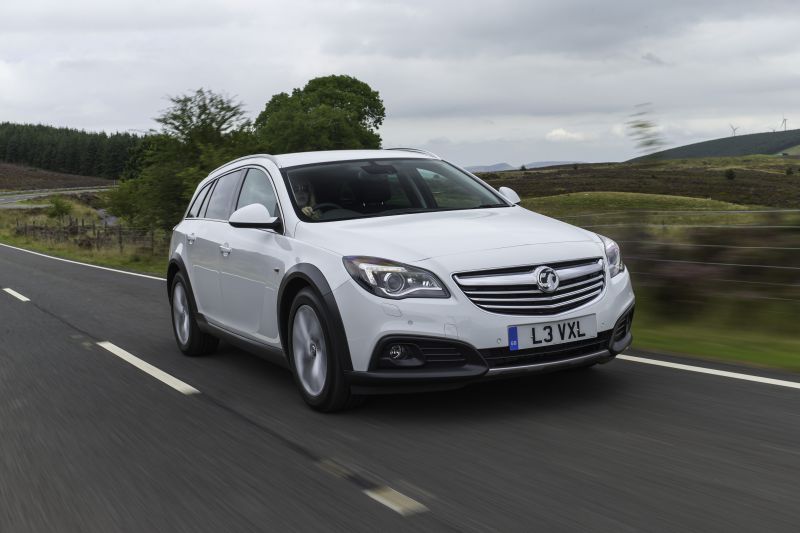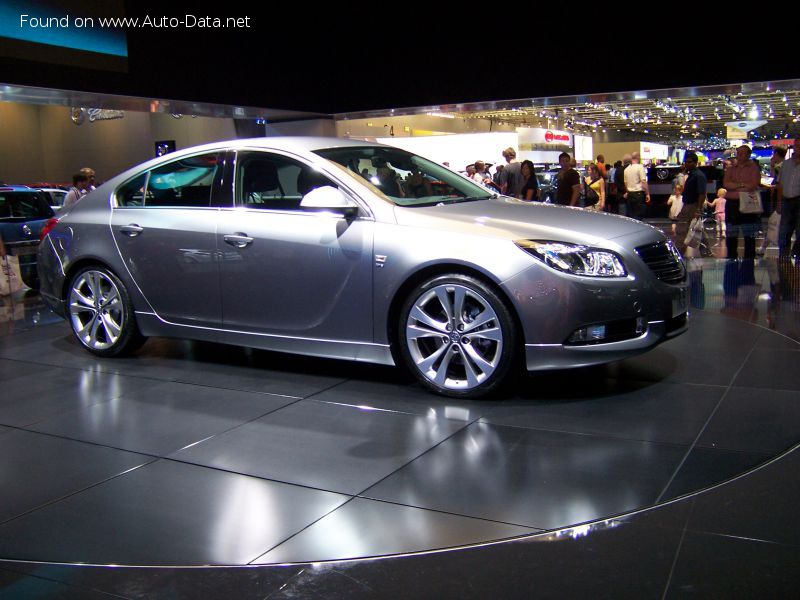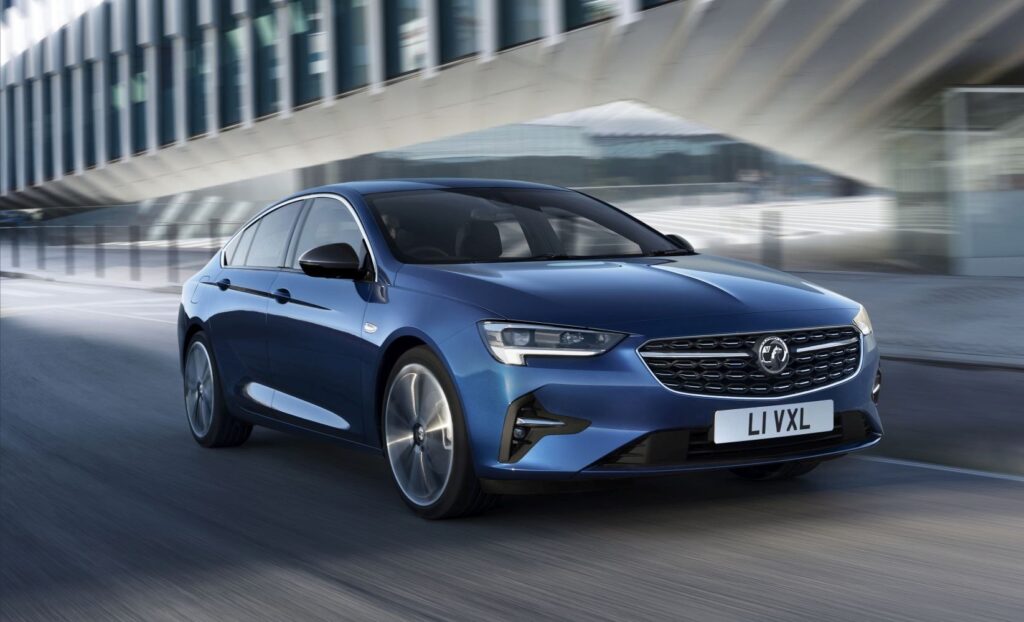
The Vauxhall Insignia II Grand Sport, particularly the facelifted 2020 model, represents a significant offering in the mid-size segment. While the Vauxhall brand is primarily known in the United Kingdom and Europe, the Insignia II aimed to compete with established players like the Ford Mondeo and Volkswagen Passat. The “Grand Sport” designation refers to the liftback body style, offering a more practical and stylish alternative to traditional sedans. This specific variant features a 2.0-liter turbocharged diesel engine paired with an eight-speed automatic transmission, targeting buyers seeking a balance of performance, fuel efficiency, and comfort. The 2020 facelift brought updated styling, enhanced technology, and improved efficiency to the Insignia range.
Vauxhall Insignia II Grand Sport: Overview
The Insignia II Grand Sport, launched in 2017 and refreshed in 2020, is a five-door liftback designed to appeal to families and drivers prioritizing space and practicality. It sits above the Astra in Vauxhall’s lineup, offering a larger interior and a more refined driving experience. The 2020 facelift included revisions to the front fascia, interior trim, and technology features, aiming to modernize the vehicle and enhance its appeal. The 2.0 Turbo D model, with its 174 horsepower output, is positioned as a strong contender in the diesel segment, offering a good compromise between power and fuel economy.
Engine & Performance
The heart of the 2020 Vauxhall Insignia II Grand Sport 2.0 Turbo D is a 1.995-liter inline-four cylinder diesel engine, designated the F20DVH. This engine produces 174 horsepower at 3,500 rpm and a substantial 381 Nm (281.01 lb.-ft.) of torque between 1,500 and 2,750 rpm. This torque output provides strong acceleration and effortless cruising, particularly beneficial for highway driving and overtaking. The engine utilizes a turbocharger with an intercooler to enhance performance and efficiency. Power is delivered to the front wheels via an eight-speed automatic transmission, contributing to smooth gear changes and optimized fuel consumption. The vehicle achieves a 0-60 mph acceleration time of 8.4 seconds and a maximum speed of 225 km/h (139.81 mph). The engine also incorporates Start & Stop technology and a particulate filter to meet stringent Euro 6d emission standards.
Design & Features
The Insignia II Grand Sport boasts a sleek and modern liftback design. The 2020 facelift brought a revised front grille, updated headlights, and a more sculpted bumper, giving the car a more contemporary appearance. The liftback configuration provides easy access to a generous cargo area, offering 490 liters (17.3 cu. ft.) of space with the rear seats up and expanding to 1,450 liters (51.21 cu. ft.) when folded down. The interior is well-appointed, with comfortable seating for five passengers. Standard features typically include air conditioning, a touchscreen infotainment system, and a range of safety technologies such as ABS (Anti-lock Braking System). Higher trim levels offer additional features like leather upholstery, heated seats, and advanced driver-assistance systems. The vehicle’s dimensions are 4906 mm (193.15 in.) in length, 1863 mm (73.35 in.) in width, and 1455 mm (57.28 in.) in height, providing a spacious and comfortable cabin.
Technical Specifications
| Brand | Vauxhall |
| Model | Insignia |
| Generation | Insignia II Grand Sport (facelift 2020) |
| Type (Engine) | 2.0 Turbo D (174 Hp) Automatic |
| Start of production | 2020 |
| Powertrain Architecture | Internal Combustion engine |
| Body type | Liftback |
| Seats | 5 |
| Doors | 5 |
| Combined fuel consumption (WLTP) | 5-5.7 l/100 km (47 – 41.3 US mpg, 56.5 – 49.6 UK mpg, 20 – 17.5 km/l) |
| CO2 emissions (WLTP) | 131-149 g/km |
| Fuel Type | Diesel |
| Acceleration 0 – 60 mph | 8.4 sec |
| Maximum speed | 225 km/h (139.81 mph) |
| Emission standard | Euro 6d |
| Power | 174 Hp @ 3500 rpm |
| Power per litre | 87.2 Hp/l |
| Torque | 381 Nm @ 1500-2750 rpm (281.01 lb.-ft. @ 1500-2750 rpm) |
| Engine layout | Front, Transverse |
| Engine Model/Code | F20DVH |
| Engine displacement | 1995 cm3 (121.74 cu. in.) |
| Number of cylinders | 4 |
| Engine configuration | Inline |
| Number of valves per cylinder | 4 |
| Fuel injection system | Diesel Commonrail |
| Engine aspiration | Turbocharger, Intercooler |
| Valvetrain | DOHC |
| Engine oil capacity | 5 l (5.28 US qt | 4.4 UK qt) |
| Max. weight | 2200 kg (4850.17 lbs.) |
| Trunk (boot) space – minimum | 490 l (17.3 cu. ft.) |
| Trunk (boot) space – maximum | 1450 l (51.21 cu. ft.) |
| Fuel tank capacity | 62 l (16.38 US gal | 13.64 UK gal) |
| AdBlue tank | 15 l (3.96 US gal | 3.3 UK gal) |
| Permitted trailer load with brakes (12%) | 1800 kg (3968.32 lbs.) |
| Permitted trailer load without brakes | 750 kg (1653.47 lbs.) |
| Length | 4906 mm (193.15 in.) |
| Width | 1863 mm (73.35 in.) |
| Width including mirrors | 2093 mm (82.4 in.) |
| Height | 1455 mm (57.28 in.) |
| Wheelbase | 2829 mm (111.38 in.) |
| Front overhang | 999 mm (39.33 in.) |
| Rear overhang | 1078 mm (42.44 in.) |
| Drivetrain Architecture | ICE drives front wheels |
| Drive wheel | Front wheel drive |
| Number of gears and type of gearbox | 8 gears, automatic transmission |
| Front suspension | Independent, McPherson with coil spring and anti-roll bar |
| Rear suspension | Independent multi-link spring suspension with stabilizer |
| Assisting systems | ABS (Anti-lock braking system) |
| Steering type | Steering rack and pinion |
| Power steering | Electric Steering |
| Tires size | 245/35 R20 |
| Wheel rims size | 20 |