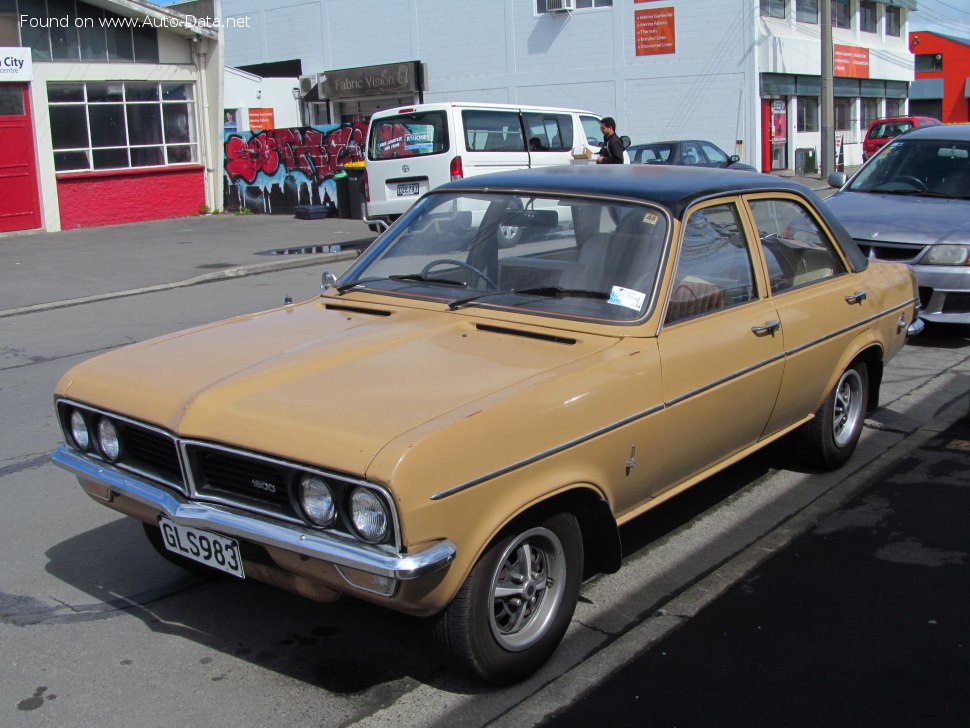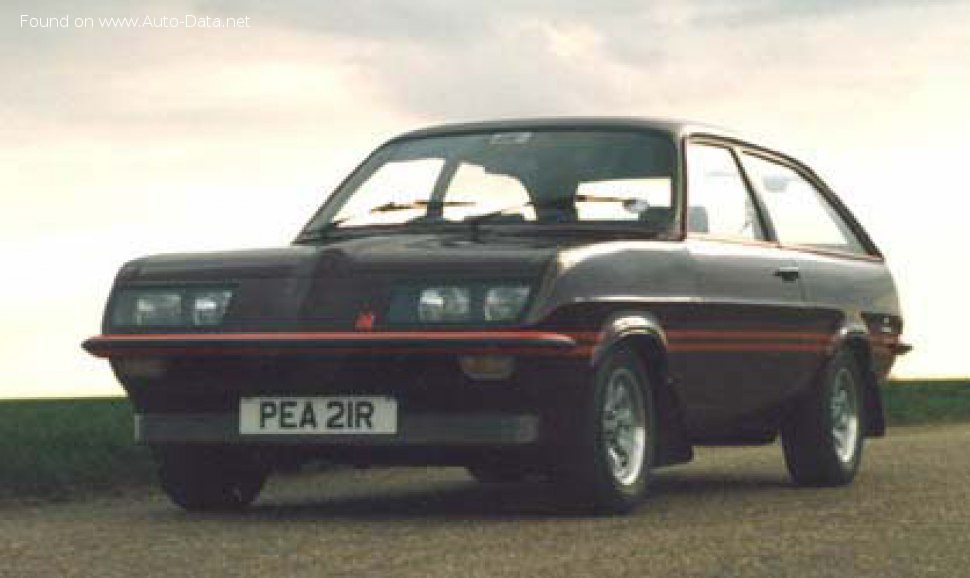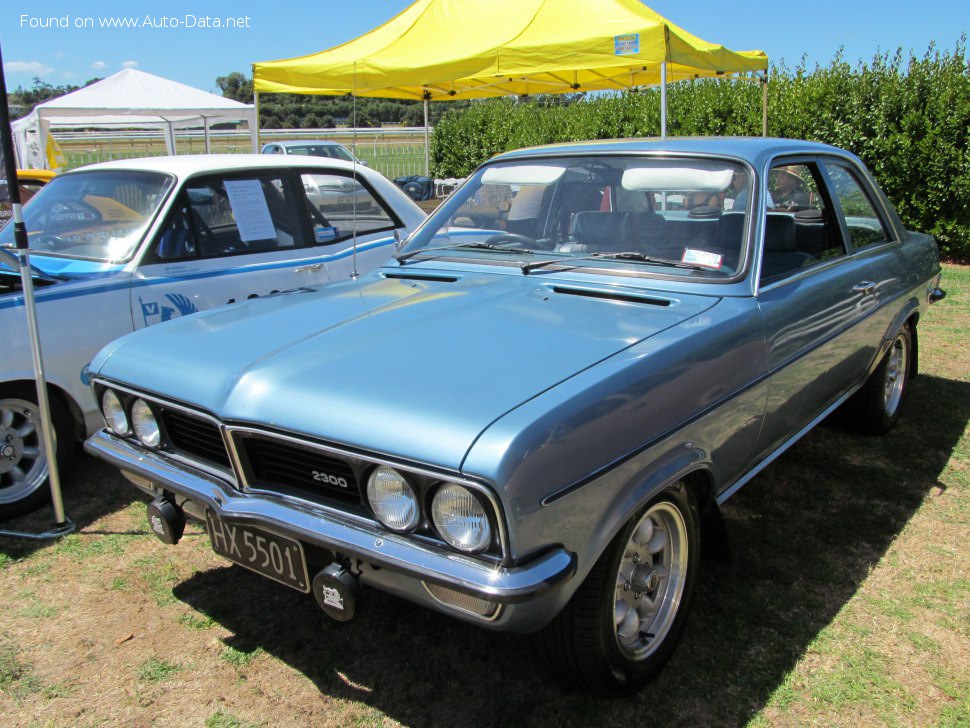
The Vauxhall Magnum Coupe 2300, produced between 1973 and 1975, represents a relatively short-lived but significant attempt by Vauxhall to enter the burgeoning coupe market. Positioned as a stylish and affordable alternative to more established sporting coupes, the Magnum was based on the underpinnings of the Vauxhall Victor FE, but with a distinctive fastback profile penned by the renowned stylist Wayne Cherry. While not a high-performance machine by modern standards, the Magnum Coupe offered a comfortable ride, decent handling, and a practical level of space for a coupe, making it a popular choice for family buyers seeking a touch of flair. It was primarily a UK and European market vehicle, never officially exported to North America, and remains a fondly remembered example of 1970s British automotive design.
Vauxhall Magnum Coupe 2300: A Detailed Overview
The Magnum Coupe occupied a unique niche in the early 1970s. It wasn’t a dedicated sports car, but rather a coupe designed to appeal to a broader audience. Its styling, while influenced by American muscle car trends of the era, was distinctly European in its execution. The car aimed to provide a blend of practicality, comfort, and a degree of visual appeal that set it apart from more utilitarian family saloons. The 2300 model, with its 110 horsepower engine, was the top-of-the-line offering, providing a reasonable level of performance for the time.
Engine & Performance
The heart of the Vauxhall Magnum Coupe 2300 was a 2.3-liter (2279 cm3 or 139.07 cu. in.) inline-four cylinder engine. This engine, derived from the Vauxhall Victor’s powerplant, produced 110 horsepower at 5000 rpm and 190 Nm (140.14 lb.-ft.) of torque at 3000 rpm. While not exceptionally powerful, the engine’s torque delivery made it reasonably responsive in everyday driving conditions. The engine featured a single overhead camshaft (OHC) valvetrain and utilized a carburetor for fuel delivery, a common setup for the period. The engine’s power output translated to approximately 48.3 horsepower per liter, a respectable figure for a naturally aspirated engine of that era. The engine was transversely mounted, driving the front wheels through a four-speed manual transmission. The weight-to-power ratio of 8.9 kg/Hp (112.7 Hp/tonne) and weight-to-torque ratio of 5.1 kg/Nm (194.7 Nm/tonne) indicate a reasonably balanced vehicle for its time. The engine required 4.6 liters (4.86 US qt | 4.05 UK qt) of engine oil and 8 liters (8.45 US qt | 7.04 UK qt) of coolant.
Design & Features
The Vauxhall Magnum Coupe was a two-door coupe with seating for five passengers. Its most striking feature was its fastback roofline, which gave it a sleek and modern appearance. The body style was a clear departure from the more boxy designs prevalent in the early 1970s. The interior was designed with practicality in mind, offering a reasonable amount of space for both passengers and luggage. Features were fairly basic by today’s standards, but included comfortable seating, a well-appointed dashboard, and a range of optional extras such as a radio and upgraded trim levels. Safety features were limited compared to modern vehicles, consisting primarily of seatbelts and a robust chassis construction. The Magnum’s front brakes were discs, providing better stopping power than the drum brakes fitted to the rear wheels. The steering utilized a rack and pinion system, offering precise and responsive handling. The fuel tank capacity was 54 liters (14.27 US gal | 11.88 UK gal).
Technical Specifications
| Brand | Vauxhall |
| Model | Magnum |
| Generation | Magnum Coupe |
| Type (Engine) | 2300 (110 Hp) |
| Start of production | 1973 |
| End of production | 1975 |
| Powertrain Architecture | Internal Combustion engine |
| Body type | Coupe |
| Seats | 5 |
| Doors | 2 |
| Fuel Type | Petrol (Gasoline) |
| Weight-to-power ratio | 8.9 kg/Hp, 112.7 Hp/tonne |
| Weight-to-torque ratio | 5.1 kg/Nm, 194.7 Nm/tonne |
| Power | 110 Hp @ 5000 rpm |
| Power per litre | 48.3 Hp/l |
| Torque | 190 Nm @ 3000 rpm, 140.14 lb.-ft. @ 3000 rpm |
| Engine layout | Front, Transverse |
| Engine displacement | 2279 cm3, 139.07 cu. in. |
| Number of cylinders | 4 |
| Engine configuration | Inline |
| Cylinder Bore | 97.54 mm, 3.84 in. |
| Piston Stroke | 76.2 mm, 3 in. |
| Compression ratio | 8.5:1 |
| Fuel injection system | Carburettor |
| Engine aspiration | Naturally aspirated engine |
| Valvetrain | OHC |
| Engine oil capacity | 4.6 l, 4.86 US qt | 4.05 UK qt |
| Coolant | 8 l, 8.45 US qt | 7.04 UK qt |
| Kerb Weight | 976 kg, 2151.71 lbs. |
| Fuel tank capacity | 54 l, 14.27 US gal | 11.88 UK gal |
| Drivetrain Architecture | The Internal combustion engine (ICE) drives the front wheels of the vehicle. |
| Drive wheel | Front wheel drive |
| Number of gears and type of gearbox | 4 gears, manual transmission |
| Front brakes | Disc |
| Rear brakes | Drum |
| Steering type | Steering rack and pinion |
The Vauxhall Magnum Coupe 2300, despite its short production run, remains a noteworthy vehicle in British automotive history. It represented a bold attempt to create a stylish and affordable coupe that appealed to a broad range of buyers. While it didn’t achieve the sales success of some of its competitors, the Magnum Coupe has earned a dedicated following among enthusiasts who appreciate its distinctive design and classic 1970s charm. Its front-wheel-drive layout and relatively modern styling were indicative of the direction automotive design was taking at the time, and it served as a precursor to the more successful Vauxhall Astras and Cavaliers that would follow.