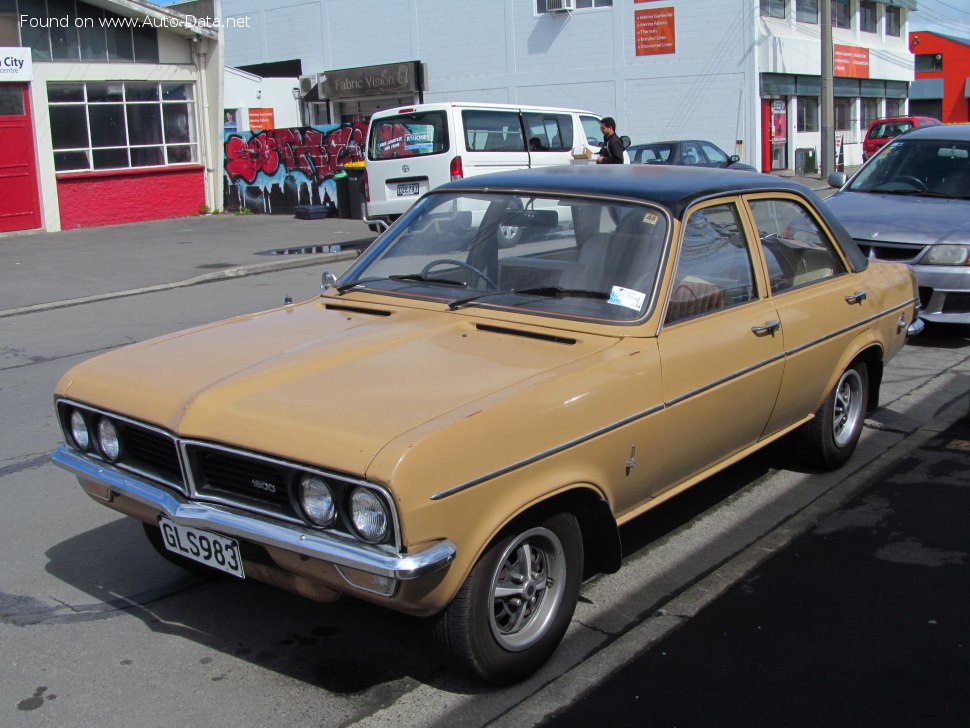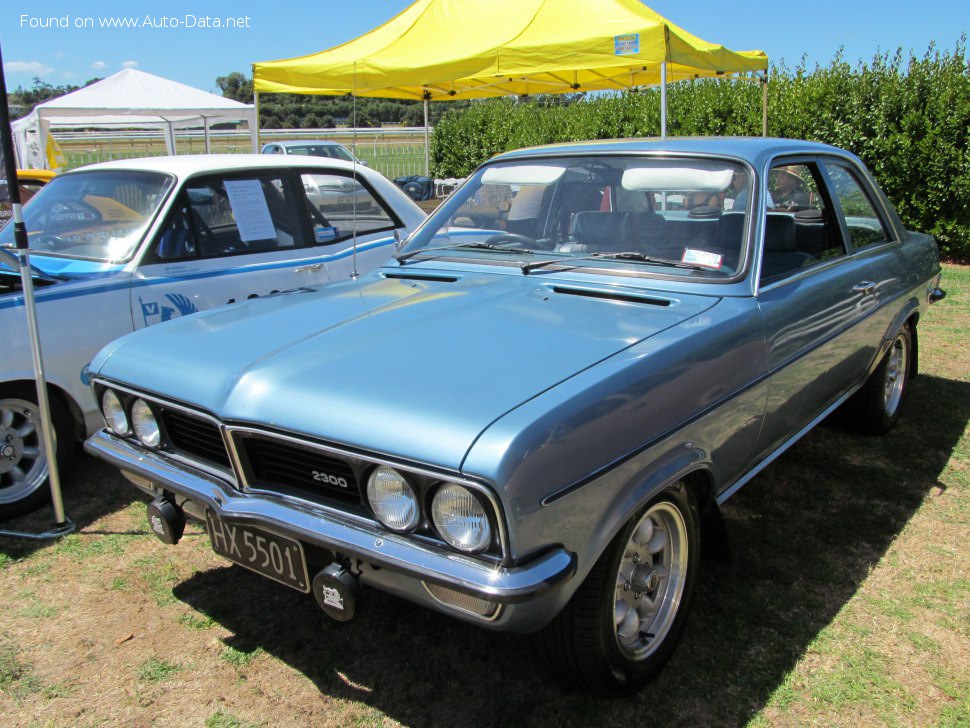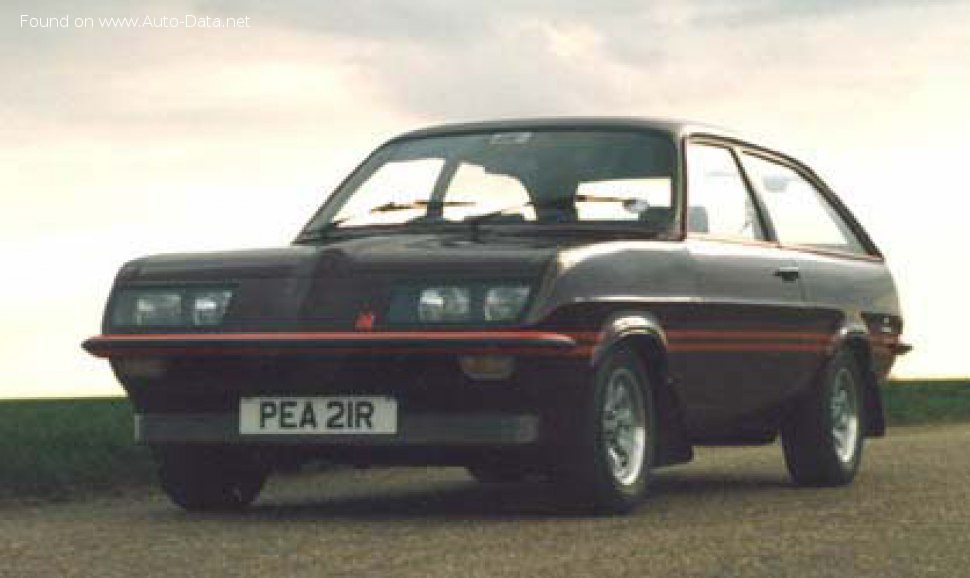
The Vauxhall Magnum Estate 2.3, produced between 1973 and 1981, was a significant offering from Vauxhall, representing a practical and stylish station wagon aimed at families and those requiring substantial cargo space. Positioned within the British market as a competitor to Ford’s Cortina Estate and other similar vehicles, the Magnum Estate distinguished itself with its spacious interior and relatively modern features for its time. While not officially sold in the United States, understanding the Magnum Estate provides insight into the automotive landscape of 1970s Britain and the evolution of the family car. This article details the specifications, design, and technical aspects of the Vauxhall Magnum Estate 2.3 (110 Hp).
Vauxhall Magnum Estate 2.3: A Detailed Overview
The Vauxhall Magnum Estate was part of the broader Magnum range, which included saloon (sedan) and coupe body styles. The Estate, however, was the most practical variant, offering a large and versatile cargo area. It was based on the Vauxhall Victor platform, sharing many mechanical components with its sister models. The 2.3-liter engine variant was a popular choice, providing a balance of performance and fuel economy for the era. The Magnum Estate filled a niche for buyers needing a vehicle capable of handling both daily commuting and larger loads, such as family holidays or work-related equipment.
Engine & Performance
The Vauxhall Magnum Estate 2.3 was powered by an inline-four cylinder, naturally aspirated 2.3-liter (2279 cm3 or 139.07 cu. in.) petrol engine. This engine produced 110 horsepower (Hp) at 5000 rpm and 190 Newton-meters (Nm) of torque at 3000 rpm, which translates to 140.14 lb.-ft. of torque. The engine featured a single overhead camshaft (OHC) valvetrain and utilized a carburetor for fuel delivery. The power-to-weight ratio was 106.8 Hp per tonne, and the torque-to-weight ratio was 184.5 Nm per tonne, providing adequate performance for typical driving conditions. The engine’s specific output was 48.3 Hp per liter. Power was delivered to the front wheels via a four-speed manual transmission. The front-engine, transverse layout was common for vehicles of this era, contributing to improved packaging and handling compared to rear-wheel-drive configurations.
Design & Features
The Vauxhall Magnum Estate was a three-door station wagon with seating for five passengers. Its body style was characterized by clean lines and a relatively boxy shape, maximizing interior space. The large tailgate provided easy access to the spacious cargo area, which offered a minimum of 750 liters (26.49 cu. ft.) and a maximum of 1460 liters (51.56 cu. ft.) with the rear seats folded down. The vehicle’s dimensions were 4153 mm (163.5 in.) in length, 1643 mm (64.69 in.) in width, and 1367 mm (53.82 in.) in height. The wheelbase measured 2461 mm (96.89 in.).
Safety features were relatively basic by modern standards, but included disc brakes on the front wheels and drum brakes on the rear. Steering was accomplished via a steering rack and pinion system. Interior features were focused on practicality and durability, with cloth upholstery and simple instrumentation. The Magnum Estate was designed to be a functional and reliable vehicle, prioritizing utility over luxury. The fuel tank capacity was 54 liters (14.27 US gal or 11.88 UK gal), providing a reasonable driving range.
Technical Specifications
| Brand | Vauxhall |
| Model | Magnum |
| Generation | Magnum Estate |
| Type (Engine) | 2.3 (110 Hp) |
| Start of production | 1973 |
| End of production | 1981 |
| Powertrain Architecture | Internal Combustion engine |
| Body type | Station wagon (estate) |
| Seats | 5 |
| Doors | 3 |
| Fuel Type | Petrol (Gasoline) |
| Weight-to-power ratio | 9.4 kg/Hp |
| Hp/tonne | 106.8 Hp/tonne |
| Weight-to-torque ratio | 5.4 kg/Nm |
| Nm/tonne | 184.5 Nm/tonne |
| Power | 110 Hp @ 5000 rpm |
| Power per litre | 48.3 Hp/l |
| Torque | 190 Nm @ 3000 rpm |
| Torque (lb.-ft.) | 140.14 lb.-ft. @ 3000 rpm |
| Engine layout | Front, Transverse |
| Engine displacement | 2279 cm3 |
| Engine displacement (cu. in.) | 139.07 cu. in. |
| Number of cylinders | 4 |
| Engine configuration | Inline |
| Cylinder Bore | 97.54 mm |
| Cylinder Bore (in.) | 3.84 in. |
| Piston Stroke | 76.2 mm |
| Piston Stroke (in.) | 3 in. |
| Compression ratio | 8.5:1 |
| Fuel injection system | Carburettor |
| Engine aspiration | Naturally aspirated engine |
| Valvetrain | OHC |
| Engine oil capacity | 4.6 l |
| Engine oil capacity (US qt) | 4.86 US qt |
| Engine oil capacity (UK qt) | 4.05 UK qt |
| Coolant | 8 l |
| Coolant (US qt) | 8.45 US qt |
| Coolant (UK qt) | 7.04 UK qt |
| Kerb Weight | 1030 kg |
| Kerb Weight (lbs.) | 2270.76 lbs. |
| Trunk (boot) space – minimum | 750 l |
| Trunk (boot) space – minimum (cu. ft.) | 26.49 cu. ft. |
| Trunk (boot) space – maximum | 1460 l |
| Trunk (boot) space – maximum (cu. ft.) | 51.56 cu. ft. |
| Fuel tank capacity | 54 l |
| Fuel tank capacity (US gal) | 14.27 US gal |
| Fuel tank capacity (UK gal) | 11.88 UK gal |
| Length | 4153 mm |
| Length (in.) | 163.5 in. |
| Width | 1643 mm |
| Width (in.) | 64.69 in. |
| Height | 1367 mm |
| Height (in.) | 53.82 in. |
| Wheelbase | 2461 mm |
| Wheelbase (in.) | 96.89 in. |
| Front track | 1321 mm |
| Front track (in.) | 52.01 in. |
| Rear (Back) track | 1308 mm |
| Rear (Back) track (in.) | 51.5 in. |
| Ride height (ground clearance) | 144 mm |
| Ride height (ground clearance) (in.) | 5.67 in. |
| Drivetrain Architecture | ICE, Front wheel drive |
| Drive wheel | Front wheel drive |
| Number of gears | 4 |
| Type of gearbox | manual transmission |
| Front brakes | Disc |
| Rear brakes | Drum |
| Steering type | Steering rack and pinion |
The Vauxhall Magnum Estate 2.3 represented a practical and reliable choice for families in the 1970s. While not a high-performance vehicle, it offered a good balance of space, economy, and usability. Its design and features reflected the automotive priorities of the era, focusing on functionality and durability. The Magnum Estate remains a notable example of British automotive engineering from the 1970s.