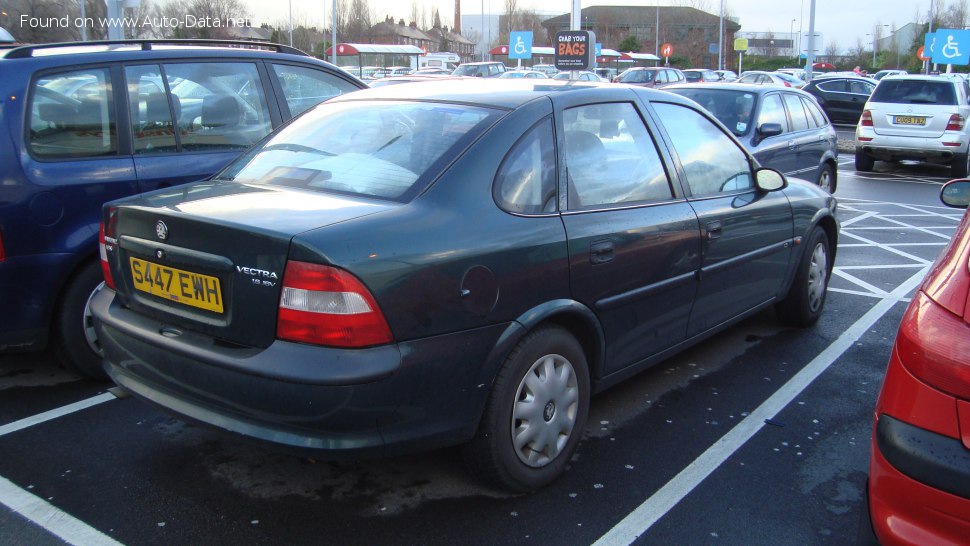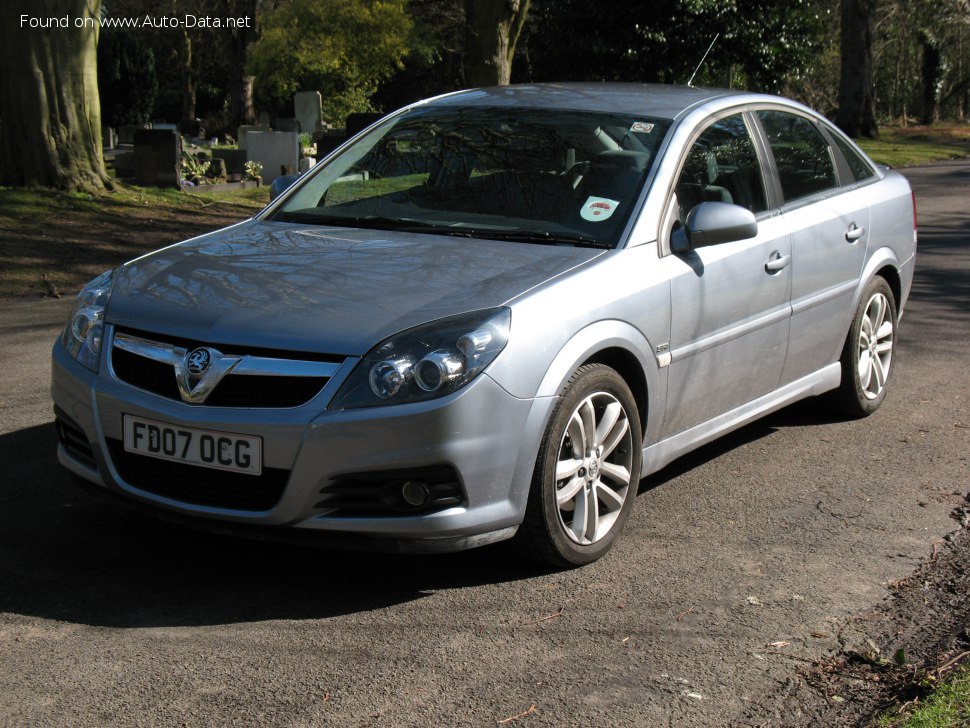
The Vauxhall Vectra C CC 2.0i 16V Turbo ECOTEC (175 Hp) is a five-door hatchback that was produced between 2003 and 2005. Part of the Vectra C generation, this model represented Vauxhall’s offering in the competitive D-segment (compact family car) of the European market. While the Vectra nameplate wasn’t widely recognized in the United States, the C generation was a significant vehicle for Vauxhall, aiming to provide a blend of practicality, comfort, and performance for family buyers. The “CC” designation stands for “Comfort and Convenience,” highlighting the focus on features and usability within this trim level.
Vauxhall Vectra C CC: Overview and Market Position
The Vectra C, launched in 2002, was a crucial model for Vauxhall (a subsidiary of General Motors) as it sought to modernize its image and compete more effectively with rivals like the Ford Mondeo and Volkswagen Passat. The hatchback body style, particularly popular in Europe, offered a versatile package for families needing ample space and practicality. The 2.0i 16V Turbo ECOTEC variant aimed to deliver a balance between fuel efficiency and respectable performance, appealing to drivers who wanted a more engaging driving experience than typically found in this class. The ECOTEC engine was a key part of Vauxhall’s powertrain strategy, emphasizing efficiency and refinement.
Engine & Performance
At the heart of the Vectra C CC 2.0i 16V Turbo ECOTEC lies a 1.998-liter (121.93 cubic inches) inline-four cylinder engine. This engine, designated Z20NET, utilizes a turbocharger and intercooler to boost power output to 175 horsepower at 5500 rpm and 265 Nm (195.45 lb.-ft.) of torque between 2500 and 3800 rpm. The turbocharging system provides a noticeable increase in performance compared to naturally aspirated engines of similar displacement. Power per liter is a respectable 87.6 hp/l. The engine features multi-port fuel injection and a double overhead camshaft (DOHC) valvetrain with four valves per cylinder, contributing to its efficiency and responsiveness. The engine is transversely mounted at the front of the vehicle, driving the front wheels through a six-speed manual transmission. This configuration allows for a relatively compact engine bay and efficient packaging. The car achieves a maximum speed of 230 km/h (142.92 mph). The weight-to-power ratio is 7.5 kg/Hp, and the weight-to-torque ratio is 5 kg/Nm.
Design & Features
The Vectra C CC is a five-door hatchback, offering a practical and accessible body style. Its design, while typical of early 2000s European styling, aimed for a modern and understated aesthetic. The hatchback configuration provides a generous cargo area, ranging from a minimum of 500 liters (17.66 cubic feet) to a maximum of 1360 liters (48.03 cubic feet) with the rear seats folded down. This versatility made it well-suited for families and those needing to transport larger items. Safety features for the time included ABS (Anti-lock Braking System). The interior focused on providing a comfortable and functional environment for passengers, with seating for five. The “Comfort and Convenience” designation is reflected in features aimed at enhancing the driving experience, though specific equipment levels varied depending on the trim and optional extras. The drag coefficient of 0.28 contributes to improved fuel efficiency and reduced wind noise at higher speeds.
Technical Specifications
| Brand | Vauxhall |
| Model | Vectra |
| Generation | Vectra C CC |
| Type (Engine) | 2.0i 16V Turbo ECOTEC (175 Hp) |
| Start of production | 2003 |
| End of production | 2005 |
| Powertrain Architecture | Internal Combustion engine |
| Body type | Hatchback |
| Seats | 5 |
| Doors | 5 |
| Fuel consumption (urban) | 12.5 l/100 km (18.8 US mpg, 22.6 UK mpg, 8 km/l) |
| Fuel consumption (extra urban) | 6.3 l/100 km (37.3 US mpg, 44.8 UK mpg, 15.9 km/l) |
| Fuel consumption (combined) | 8.6 l/100 km (27.4 US mpg, 32.8 UK mpg, 11.6 km/l) |
| CO2 emissions | 206 g/km |
| Fuel Type | Petrol (Gasoline) |
| Maximum speed | 230 km/h (142.92 mph) |
| Emission standard | Euro 4 |
| Weight-to-power ratio | 7.5 kg/Hp |
| Weight-to-torque ratio | 5 kg/Nm |
| Power | 175 Hp @ 5500 rpm |
| Torque | 265 Nm @ 2500-3800 rpm (195.45 lb.-ft. @ 2500-3800 rpm) |
| Engine layout | Front, Transverse |
| Engine Model/Code | Z20NET |
| Engine displacement | 1998 cm3 (121.93 cu. in.) |
| Number of cylinders | 4 |
| Engine configuration | Inline |
| Cylinder Bore | 86 mm (3.39 in.) |
| Piston Stroke | 86 mm (3.39 in.) |
| Compression ratio | 9.5:1 |
| Number of valves per cylinder | 4 |
| Fuel injection system | Multi-port manifold injection |
| Engine aspiration | Turbocharger, Intercooler |
| Valvetrain | DOHC |
| Engine oil capacity | 6 l (6.34 US qt | 5.28 UK qt) |
| Coolant | 7.5 l (7.93 US qt | 6.6 UK qt) |
| Kerb Weight | 1315 kg (2899.08 lbs.) |
| Trunk (boot) space – minimum | 500 l (17.66 cu. ft.) |
| Trunk (boot) space – maximum | 1360 l (48.03 cu. ft.) |
| Fuel tank capacity | 60 l (15.85 US gal | 13.2 UK gal) |
| Length | 4611 mm (181.54 in.) |
| Width | 1798 mm (70.79 in.) |
| Width including mirrors | 2036 mm (80.16 in.) |
| Height | 1460 mm (57.48 in.) |
| Wheelbase | 2700 mm (106.3 in.) |
| Drag coefficient (Cd) | 0.28 |
| Drivetrain Architecture | ICE, Front wheel drive |
| Drive wheel | Front wheel drive |
| Number of gears and type of gearbox | 6 gears, manual transmission |
| Front suspension | Independent, type McPherson with coil spring and anti-roll bar |
| Rear suspension | Independent multi-link suspension |
| Front brakes | Ventilated discs |
| Rear brakes | Disc |
| Assisting systems | ABS (Anti-lock braking system) |
The Vauxhall Vectra C CC 2.0i 16V Turbo ECOTEC, while not a performance icon, offered a compelling package for European buyers seeking a practical, comfortable, and reasonably efficient family hatchback. Its turbocharged engine provided a noticeable step up in performance compared to naturally aspirated alternatives, and its spacious interior and versatile cargo area made it a suitable choice for a wide range of needs.