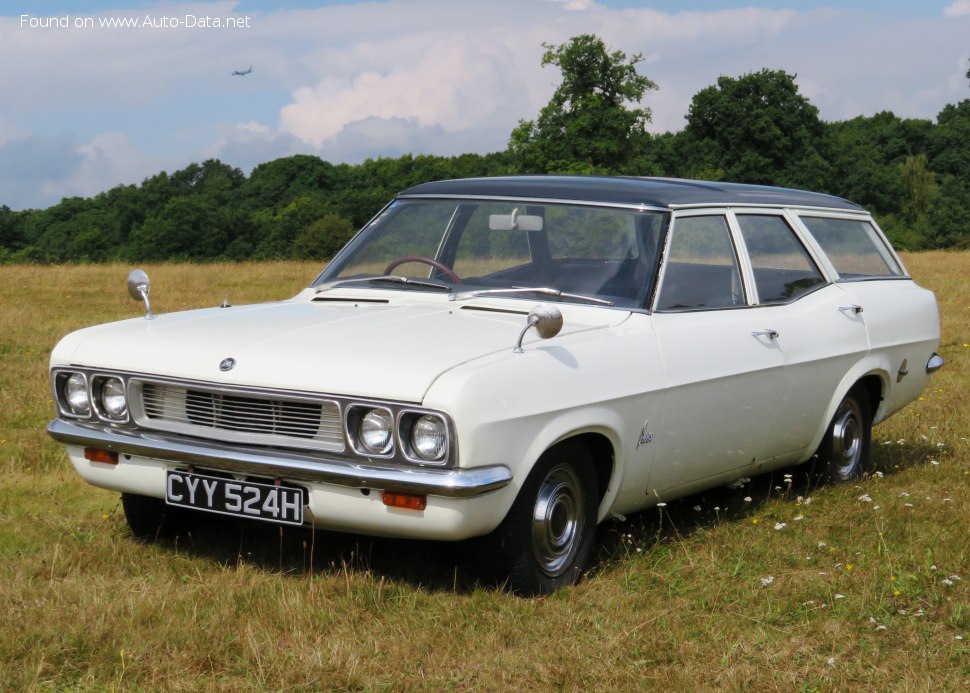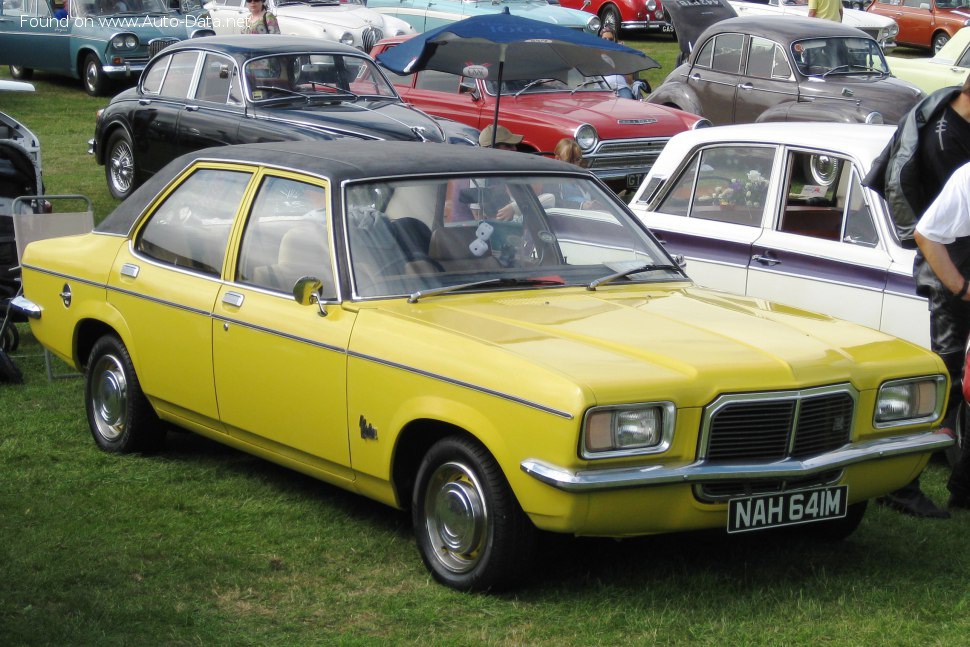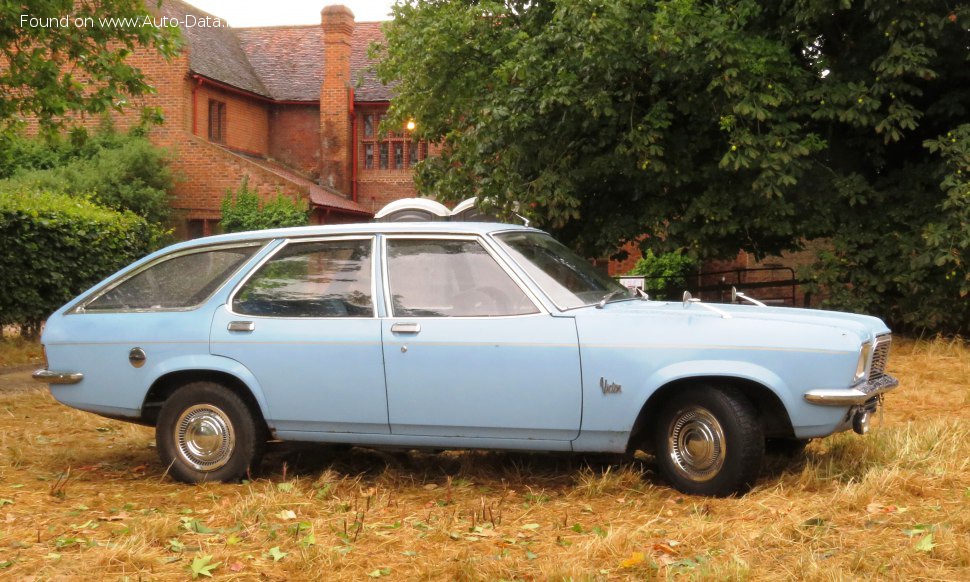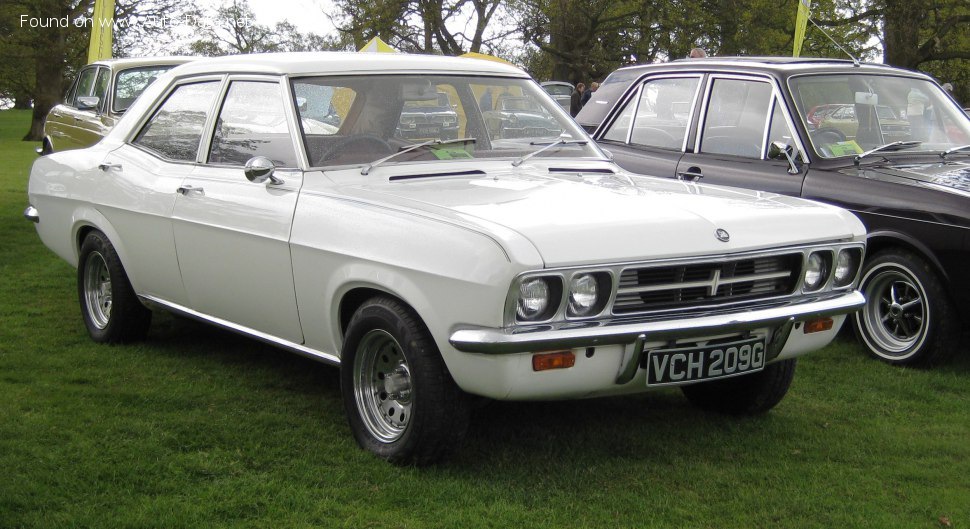
The Vauxhall Victor FD 1600, produced between 1969 and 1972, represents a significant iteration in the long-running Victor lineage, a mainstay of British family motoring. While not officially sold in the United States, the Victor FD offers a compelling case study in 1960s/early 1970s automotive engineering, particularly its blend of practicality, affordability, and relatively modern (for the time) mechanical features. The FD series aimed to modernize the Victor, offering improved styling, comfort, and performance compared to its predecessors. It occupied the mid-size family car segment in the United Kingdom and Europe, competing with vehicles like the Ford Cortina and Morris Oxford.
Vauxhall Victor FD 1600: A Detailed Overview
The Victor FD marked a departure from the more rounded styling of the previous Victor FC model, adopting a more angular and contemporary aesthetic. This shift reflected broader design trends of the era, influenced by American automotive styling. The FD was available in various trim levels, with the 1600 model representing a popular choice for buyers seeking a balance between performance and economy. The Victor’s appeal lay in its spacious interior, comfortable ride, and relatively low purchase price, making it a common sight on British roads during its production run.
Engine & Performance
The heart of the Victor FD 1600 is a 1.6-liter (1599 cc) inline four-cylinder engine, producing 72 horsepower. While this output may seem modest by modern standards, it provided adequate performance for the vehicle’s intended purpose. The engine featured a single overhead camshaft (SOHC) valvetrain and was naturally aspirated. Power delivery was relatively smooth, and the engine proved to be reasonably durable. The power-to-weight ratio of 14.6 kg/Hp (68.4 Hp/tonne) reflects the car’s modest weight of 1053 kg (2321.47 lbs). The engine’s specific output was 45 horsepower per liter, a respectable figure for the period. The 1600 engine was paired with a four-speed manual transmission, driving the rear wheels. This configuration was typical for family cars of the era. The drivetrain architecture was a conventional internal combustion engine (ICE) powering the rear wheels, offering a traditional driving experience.
Design & Features
The Vauxhall Victor FD 1600 is a four-door sedan with a classic three-box design. Its body style was typical of the era, prioritizing practicality and passenger space. The interior was designed to be comfortable and functional, with seating for four occupants. While not lavishly equipped by today’s standards, the Victor FD offered features considered essential for the time, such as comfortable seating, a reasonably sized trunk, and effective heating and ventilation. Safety features were relatively basic, reflecting the standards of the late 1960s and early 1970s. The front brakes were discs, a relatively advanced feature for a car in this class at the time, while the rear brakes were drums. The steering system employed a steering rack and pinion, providing precise and responsive handling. The car’s dimensions – 4488 mm (176.69 in) in length, 1699 mm (66.89 in) in width, and 1333 mm (52.48 in) in height – positioned it squarely within the mid-size family car segment. The wheelbase measured 2591 mm (102.01 in), contributing to a stable and comfortable ride.
Market Context and Legacy
The Vauxhall Victor, throughout its various iterations, played a crucial role in the British automotive landscape. It provided affordable and reliable transportation for a large segment of the population. The FD series, in particular, represented a step forward in terms of design and engineering, helping to maintain the Victor’s popularity. While the Victor nameplate was eventually discontinued, it remains a fondly remembered vehicle among enthusiasts and collectors. The Victor FD 1600, with its blend of practicality, affordability, and classic styling, embodies the spirit of British motoring from the early 1970s.
Technical Specifications
| Brand | Vauxhall |
| Model | Victor |
| Generation | Victor FD |
| Type (Engine) | 1600 (72 Hp) |
| Start of production | 1969 |
| End of production | 1972 |
| Powertrain Architecture | Internal Combustion engine |
| Body type | Sedan |
| Seats | 4 |
| Doors | 4 |
| Fuel Type | Petrol (Gasoline) |
| Weight-to-power ratio | 14.6 kg/Hp |
| Horsepower per tonne | 68.4 Hp/tonne |
| Power | 72 Hp |
| Power per litre | 45 Hp/l |
| Engine displacement | 1599 cm3 |
| Engine displacement (cu. in.) | 97.58 cu. in. |
| Number of cylinders | 4 |
| Engine configuration | Inline |
| Cylinder Bore | 85.73 mm |
| Cylinder Bore (in.) | 3.38 in. |
| Piston Stroke | 69.25 mm |
| Piston Stroke (in.) | 2.73 in. |
| Engine aspiration | Naturally aspirated engine |
| Valvetrain | SOHC |
| Engine oil capacity | 4.6 l |
| Engine oil capacity (US qt) | 4.86 US qt |
| Engine oil capacity (UK qt) | 4.05 UK qt |
| Coolant | 7 l |
| Coolant (US qt) | 7.4 US qt |
| Coolant (UK qt) | 6.16 UK qt |
| Kerb Weight | 1053 kg |
| Kerb Weight (lbs) | 2321.47 lbs. |
| Fuel tank capacity | 54.5 l |
| Fuel tank capacity (US gal) | 14.4 US gal |
| Fuel tank capacity (UK gal) | 11.99 UK gal |
| Length | 4488 mm |
| Length (in.) | 176.69 in. |
| Width | 1699 mm |
| Width (in.) | 66.89 in. |
| Height | 1333 mm |
| Height (in.) | 52.48 in. |
| Wheelbase | 2591 mm |
| Wheelbase (in.) | 102.01 in. |
| Front track | 1387 mm |
| Front track (in.) | 54.61 in. |
| Rear track | 1372 mm |
| Rear track (in.) | 54.02 in. |
| Minimum turning circle | 10.1 m |
| Minimum turning circle (ft) | 33.14 ft. |
| Drivetrain Architecture | Rear wheel drive |
| Drive wheel | Rear wheel drive |
| Number of gears | 4 |
| Type of gearbox | Manual transmission |
| Front suspension | Independent coil spring |
| Front brakes | Disc |
| Rear brakes | Drum |
| Steering type | Steering rack and pinion |