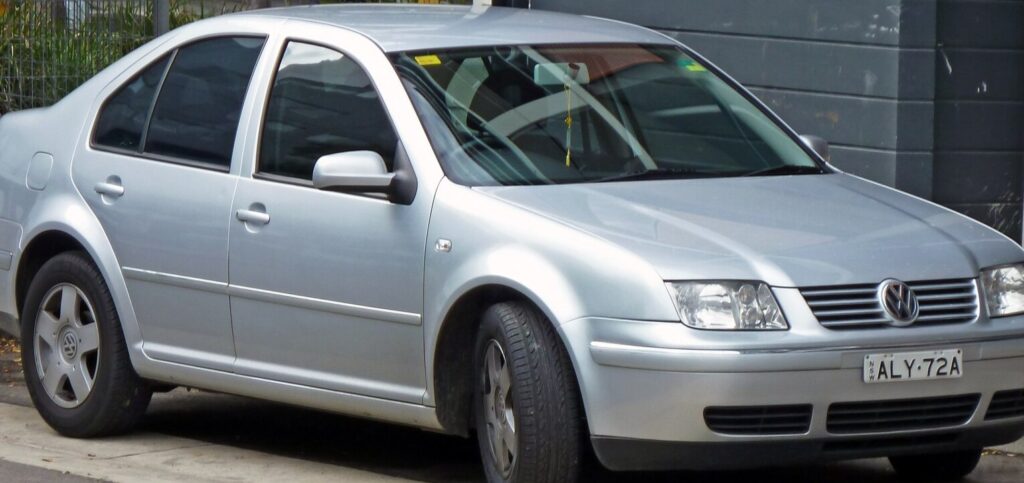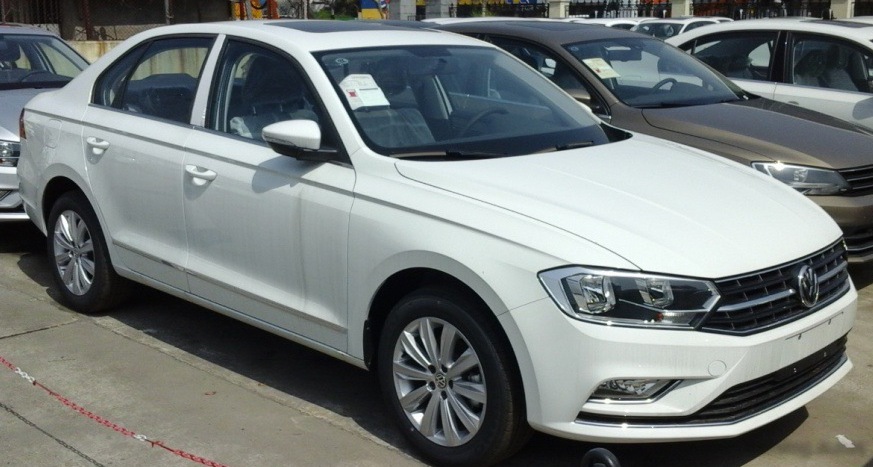
The Volkswagen Bora III 1.5 (110 hp) Automatic, produced specifically for the Chinese market between 2017 and 2018, represents a localized iteration of Volkswagen’s compact sedan. Positioned as a mainstream offering within the Bora III range, this variant aimed to provide a balance of affordability, fuel efficiency, and comfortable transportation for Chinese consumers. It’s built on the A3 platform, also known as the PQ35 platform, which underpinned several Volkswagen Group vehicles of the era. Unlike its European counterparts, the Chinese Bora III was a dedicated model, not simply a rebadged Jetta, and featured unique styling and engine options tailored to the local market. This version filled the gap between more basic trims and the higher-specification models, offering an automatic transmission as a key convenience feature.
Technical Specifications
| Brand | Volkswagen |
| Model | Bora |
| Generation | Bora III (China) |
| Type (Engine) | 1.5 (110 Hp) Automatic |
| Start of production | 2017 |
| End of production | 2018 |
| Powertrain Architecture | Internal Combustion engine |
| Body type | Sedan |
| Seats | 5 |
| Doors | 4 |
| Fuel consumption (economy) – extra urban | 4.7 l/100 km (50 US mpg, 60.1 UK mpg, 21.3 km/l) |
| Fuel consumption (economy) – combined | 5.9 l/100 km (39.9 US mpg, 47.9 UK mpg, 16.9 km/l) |
| Fuel Type | Petrol (Gasoline) |
| Acceleration 0 – 100 km/h | 12.6 sec |
| Acceleration 0 – 62 mph | 12.6 sec |
| Acceleration 0 – 60 mph | 12 sec |
| Maximum speed | 185 km/h (114.95 mph) |
| Weight-to-power ratio | 11.5 kg/Hp, 87 Hp/tonne |
| Weight-to-torque ratio | 8.4 kg/Nm, 118.6 Nm/tonne |
| Power | 110 Hp @ 6000 rpm |
| Power per litre | 73.4 Hp/l |
| Torque | 150 Nm @ 3800 rpm (110.63 lb.-ft. @ 3800 rpm) |
| Engine layout | Front, Transverse |
| Engine Model/Code | EA211 |
| Engine displacement | 1498 cm3 (91.41 cu. in.) |
| Number of cylinders | 4 |
| Engine configuration | Inline |
| Number of valves per cylinder | 4 |
| Engine aspiration | Naturally aspirated engine |
| Kerb Weight | 1265 kg (2788.85 lbs) |
| Trunk (boot) space – minimum | 490 l (17.3 cu. ft.) |
| Fuel tank capacity | 55 l (14.53 US gal | 12.1 UK gal) |
| Length | 4562 mm (179.61 in) |
| Width | 1793 mm (70.59 in) |
| Height | 1468 mm (57.8 in) |
| Wheelbase | 2614 mm (102.91 in) |
| Ride height (ground clearance) | 122 mm (4.8 in) |
| Minimum turning circle (turning diameter) | 10.6 m (34.78 ft) |
| Drivetrain Architecture | The Internal combustion engine (ICE) drives the front wheels of the vehicle. |
| Drive wheel | Front wheel drive |
| Number of gears and type of gearbox | 6 gears, automatic transmission |
| Front suspension | Independent type McPherson |
| Rear suspension | Semi-independent, coil spring |
| Front brakes | Ventilated discs |
| Rear brakes | Ventilated discs |
| Assisting systems | ABS (Anti-lock braking system) |
| Steering type | Steering rack and pinion |
| Power steering | Electric Steering |
| Wheel rims size | 15 |
Powertrain & Engine Architecture
The heart of the Bora III 1.5 Automatic is the EA211 series 1.5-liter inline-four cylinder engine. This engine, a naturally aspirated unit, produces 110 horsepower at 6000 rpm and 150 Nm (110.63 lb-ft) of torque at 3800 rpm. The EA211 is a modern engine design featuring multi-point fuel injection and four valves per cylinder. It’s known for its relatively lightweight construction and focus on fuel efficiency. Paired with this engine is a six-speed automatic transmission, a crucial feature for buyers prioritizing ease of use over outright performance. This transmission, while not known for particularly rapid shifts, provides smooth operation and contributes to the car’s overall comfort. The engine code is a key identifier, allowing for specific parts sourcing and diagnostic procedures.
Driving Characteristics
The 1.5-liter engine and six-speed automatic combination delivers adequate, but not exhilarating, performance. Acceleration from 0-100 km/h takes approximately 12.6 seconds, and the top speed is rated at 185 km/h (114.95 mph). Compared to other Bora III variants, such as those equipped with larger engines, this version feels noticeably less powerful. The automatic transmission’s gear ratios are tuned for fuel economy rather than aggressive acceleration. In real-world driving, the car feels best suited for city commuting and highway cruising at moderate speeds. The automatic transmission does a reasonable job of keeping the engine in its optimal power band, but downshifts can be slow to respond, especially during overtaking maneuvers. Compared to a manual transmission equipped model, the automatic sacrifices some responsiveness and driver engagement.
Equipment & Trim Levels
The 1.5 Automatic trim level typically included standard features such as air conditioning, power windows, power door locks, and a basic audio system. Interior upholstery was generally cloth, with a functional, if not luxurious, design. Optional extras available for this trim could include alloy wheels, a more advanced audio system with Bluetooth connectivity, and a sunroof. Safety features typically included ABS (Anti-lock Braking System) and dual front airbags. The dashboard layout was typical of Volkswagen designs of the period, with a clear and straightforward instrument cluster. The overall focus was on providing a comfortable and practical interior without excessive frills.
Chassis & Braking
The Bora III 1.5 Automatic utilizes a McPherson strut front suspension and a semi-independent coil spring rear suspension. This setup provides a comfortable ride quality, well-suited for the often-rough road conditions found in China. The front brakes are ventilated discs, while the rear brakes are also ventilated discs, providing adequate stopping power for the car’s weight and performance. The steering is rack and pinion with electric power assistance, offering a light and easy steering feel. Stabilizer bars are present on both the front and rear axles to reduce body roll during cornering, though the car is not designed for particularly sporty handling.
Market Reception & Comparison
The Bora III 1.5 Automatic was generally well-received in the Chinese market as a practical and affordable family sedan. Critics noted its fuel efficiency and comfortable ride, but also pointed out its relatively modest performance. Compared to other trims in the Bora III lineup, the 1.5 Automatic offered a more accessible price point, making it attractive to budget-conscious buyers. Its fuel economy of 5.9 l/100 km (39.9 US mpg) was a significant selling point, particularly in a market where fuel costs were rising. Reliability was generally considered good, though routine maintenance was essential to ensure long-term durability.
Legacy
The Volkswagen Bora III 1.5 Automatic, while not a particularly groundbreaking vehicle, played a significant role in Volkswagen’s success in the Chinese market. The EA211 engine proved to be a reliable and durable powerplant, and the six-speed automatic transmission provided a comfortable driving experience. In the used car market today, these Boras are generally affordable and represent a good value for buyers seeking a practical and economical sedan. However, potential buyers should be aware of the importance of regular maintenance and should inspect the car carefully for any signs of wear and tear. The car’s relatively simple mechanical design makes it relatively easy to repair, and parts availability is generally good.