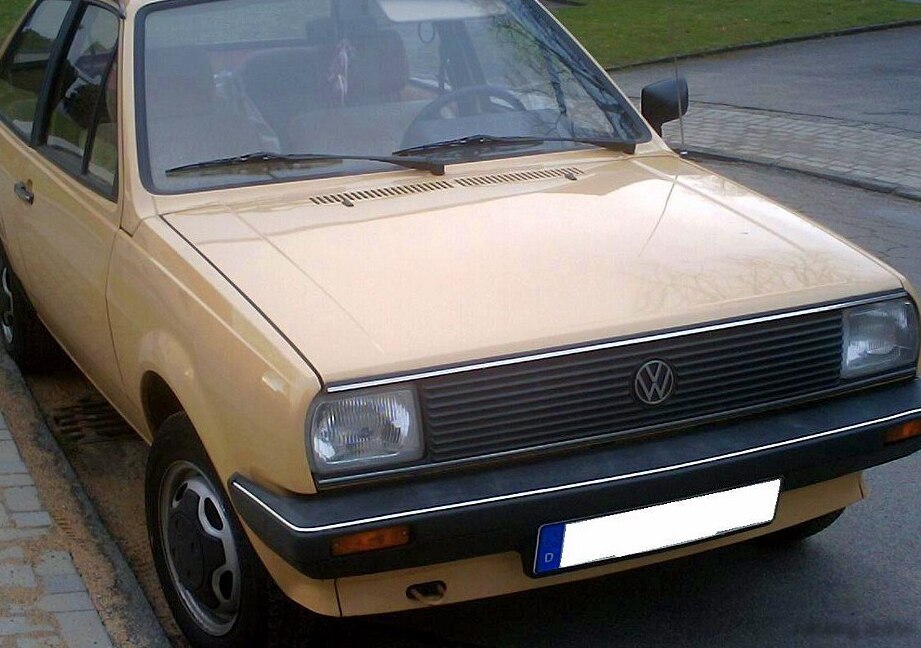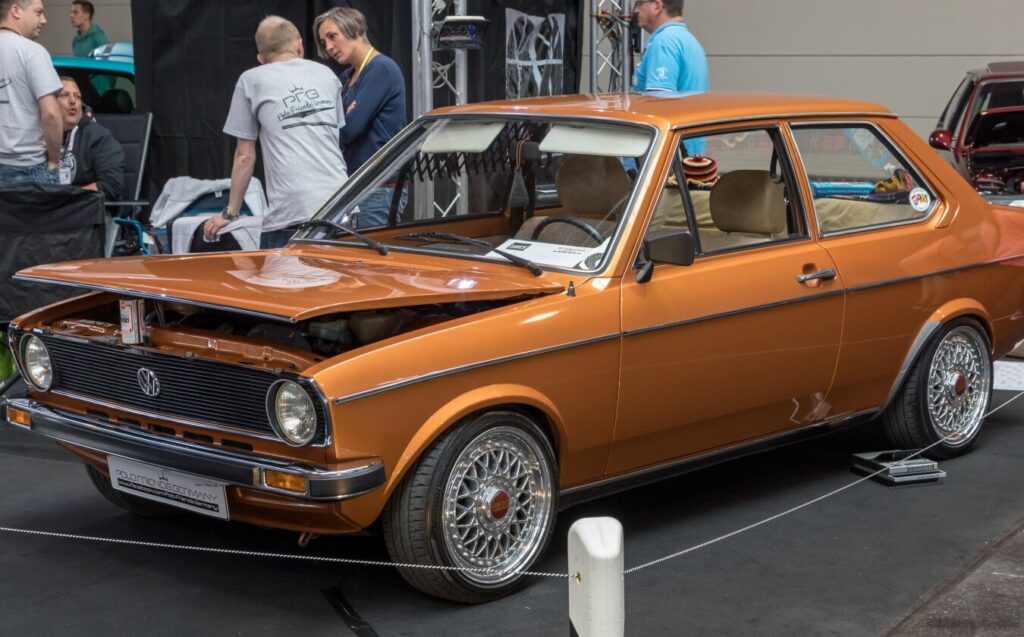
The Volkswagen Derby, produced between 1977 and 1981, represented Volkswagen’s attempt to create a more affordable and compact sedan based on the Polo platform (Type 86). Positioned as a budget-friendly alternative to the larger Golf, the Derby aimed to capture a segment of the market seeking practicality and fuel efficiency. The 0.9-liter, 40 horsepower variant, powered by the HA engine code, served as the entry-level model, primarily targeted at first-time car buyers and those prioritizing economy over performance. This model occupied the base trim level within the Derby lineup, offering a no-frills transportation solution.
Technical Specifications
| Brand | Volkswagen |
| Model | Derby |
| Generation | Derby (86) |
| Type (Engine) | 0.9 (40 Hp) |
| Start of Production | 1977 |
| End of Production | 1981 |
| Powertrain Architecture | Internal Combustion Engine |
| Body Type | Sedan |
| Fuel Type | Petrol (Gasoline) |
| Power | 40 Hp |
| Engine Model/Code | HA |
| Engine Aspiration | Naturally Aspirated |
| Engine Oil Capacity | 3.5 l (3.7 US qt | 3.08 UK qt) |
Powertrain & Engine Architecture
The heart of the Derby 0.9 was the HA engine, a 907cc inline four-cylinder petrol engine. This engine was a relatively simple design, featuring a single overhead camshaft (SOHC) and two valves per cylinder. Fuel delivery was managed by a single, down-draft carburetor – typically a Solex – rather than fuel injection, a cost-saving measure for the base model. The HA engine was known for its durability, though its power output was modest. The engine’s bore and stroke measured 76.5mm x 66mm, contributing to its relatively high compression ratio for the time (around 8.5:1). The Derby 0.9 was exclusively offered with a four-speed manual transmission, as an automatic transmission wasn’t available for this engine configuration. The transmission was a standard, non-synchronized setup, prioritizing simplicity and cost-effectiveness.
Driving Characteristics
The driving experience in the Derby 0.9 was defined by its economy-focused nature. With only 40 horsepower on tap, acceleration was slow, particularly when fully loaded. The four-speed manual transmission required frequent shifting to maintain momentum, especially on inclines. Top speed was estimated to be around 80 mph (130 km/h), though realistically, most drivers would have operated the vehicle at considerably lower speeds. The gear ratios were optimized for fuel efficiency rather than performance, with a relatively tall final drive. Steering was light and relatively precise, making it easy to maneuver in urban environments. However, the suspension, while adequate, was not particularly sophisticated, resulting in a somewhat bumpy ride on uneven surfaces. Compared to the later, more powerful 1.3 and 1.5-liter Derby variants, the 0.9 felt significantly underpowered, but it offered a noticeable improvement in fuel economy.
Equipment & Trim Levels
The Derby 0.9 was deliberately spartan in its equipment levels. Standard features were minimal, reflecting its position as the entry-level model. Interior upholstery consisted of basic cloth seats, typically in a plain color scheme. The dashboard was constructed from hard plastics and featured a simple instrument cluster with a speedometer, fuel gauge, and warning lights. A basic two-spoke steering wheel was standard. Optional extras were limited, but could include a radio, upgraded seat fabrics, and occasionally, a sunroof. The Derby 0.9 lacked many of the convenience features found on higher-trim models, such as power windows or central locking. The focus was on providing a functional and reliable means of transportation at the lowest possible price point.
Chassis & Braking
The Derby’s chassis was a monocoque construction, providing a reasonable level of rigidity for its size and price. Front suspension utilized independent MacPherson struts, while the rear suspension employed a twist-beam axle with trailing arms. This setup provided a compromise between ride comfort and handling. Braking was accomplished via drum brakes on all four wheels, a cost-saving measure common in this class of vehicle. The brakes were adequate for normal driving conditions, but lacked the stopping power of disc brakes. Steering was rack and pinion, providing relatively precise control. The Derby 0.9’s relatively light weight (around 780 kg or 1720 lbs) helped to offset the limitations of its braking and suspension systems.
Market Reception & Comparison
The Derby 0.9 received mixed reviews from automotive critics. While praised for its fuel efficiency and affordability, it was often criticized for its lack of power and basic interior. Compared to its siblings, the 1.3 and 1.5-liter Derby models, the 0.9 offered significantly less performance but boasted superior fuel economy. The 1.3-liter, for example, produced around 60 horsepower, providing a noticeable improvement in acceleration and overall drivability. The 0.9 was primarily targeted at buyers who prioritized economy above all else, while the higher-trim models appealed to those seeking a more refined and capable vehicle. In terms of reliability, the HA engine proved to be reasonably durable, but its simple design meant that it required regular maintenance to prevent issues.
Legacy
The Volkswagen Derby 0.9, while not a performance icon, holds a place in automotive history as a representative of the era’s focus on fuel efficiency and affordability. The HA engine, though modest in its output, proved to be a reliable powerplant. Today, the Derby 0.9 is a relatively rare sight on the roads, and well-maintained examples are sought after by classic Volkswagen enthusiasts. Its simplicity makes it relatively easy to maintain and repair, appealing to those who enjoy working on older vehicles. The used car market values for these models vary widely depending on condition, but generally remain affordable, making them an accessible entry point into the world of classic Volkswagen ownership. The Derby, in general, paved the way for Volkswagen’s continued success in the small car segment, and the 0.9 variant represents the foundational, budget-conscious approach that initially defined the model.