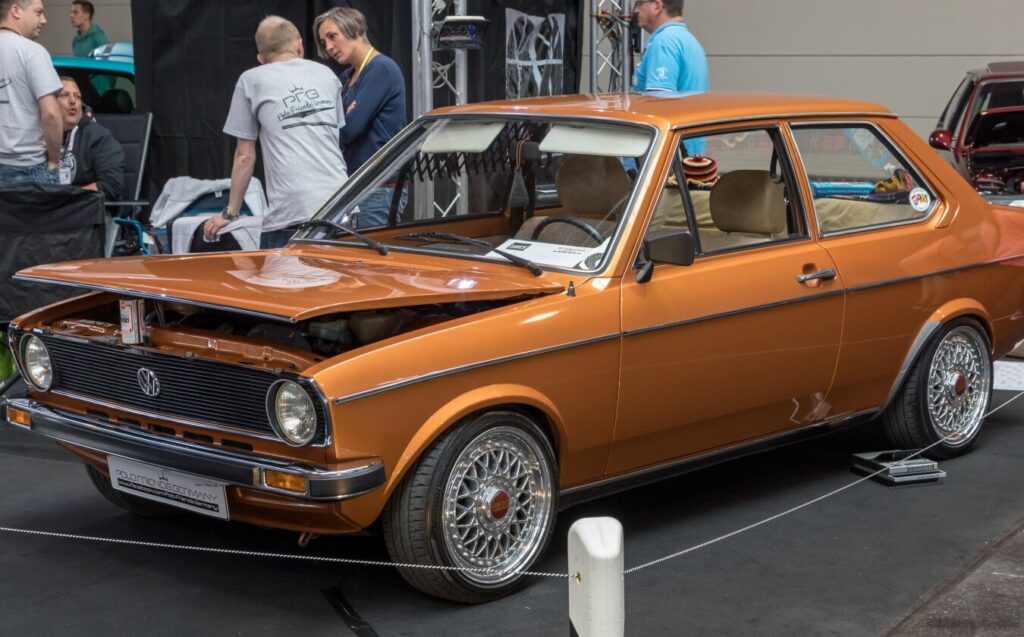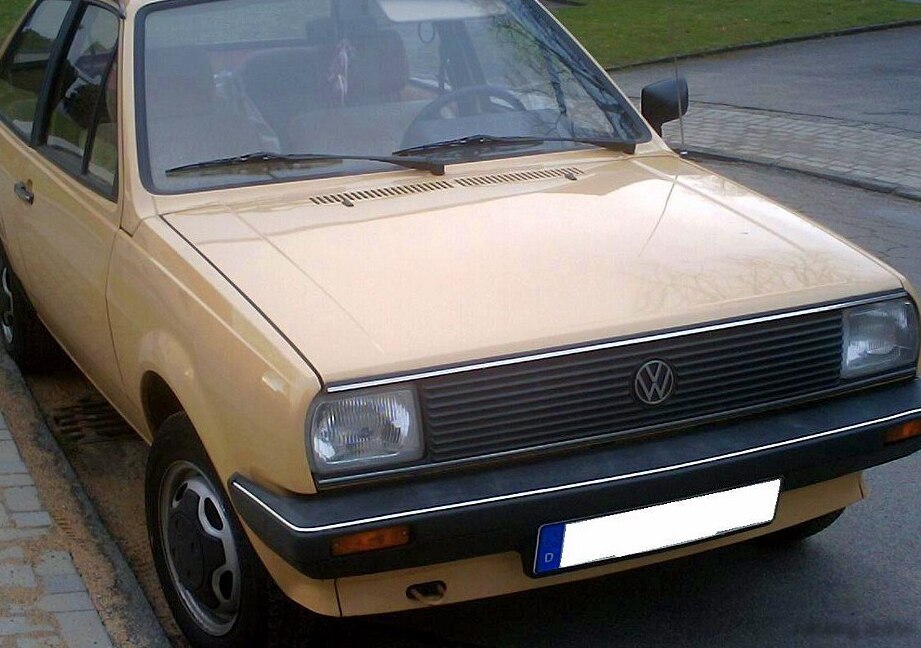
The Volkswagen Derby (86C) 1.3, produced between 1983 and 1984, represented an entry-level offering within the broader Derby range. The Derby itself was a subcompact car based on the Volkswagen Polo (86) platform. Positioned as a more affordable and practical alternative to the Scirocco and Golf, the Derby aimed to provide basic transportation with Volkswagen reliability. The 1.3-liter engine variant, producing 55 horsepower, was specifically targeted at buyers prioritizing fuel economy and low running costs over outright performance. This model played a significant role in Volkswagen’s strategy to offer a diverse lineup catering to various market segments, particularly in Europe where subcompacts were gaining popularity. It served as a stepping stone for buyers entering the Volkswagen brand, offering a cost-effective and dependable vehicle.
Technical Specifications
| Brand | Volkswagen |
| Model | Derby |
| Generation | Derby (86C) |
| Type (Engine) | 1.3 (55 Hp) |
| Start of production | 1983 |
| End of production | 1984 |
| Powertrain Architecture | Internal Combustion engine |
| Body type | Sedan |
| Seats | 5 |
| Doors | 2 |
| Fuel consumption (urban) | 9.5 l/100 km (24.8 US mpg, 29.7 UK mpg, 10.5 km/l) |
| Fuel consumption (extra urban) | 6.6 l/100 km (35.6 US mpg, 42.8 UK mpg, 15.2 km/l) |
| Fuel Type | Petrol (Gasoline) |
| Power | 55 Hp @ 5400 rpm |
| Power per litre | 43.2 Hp/l |
| Engine layout | Front, Transverse |
| Engine Model/Code | HK |
| Engine displacement | 1272 cm3 (77.62 cu. in.) |
| Number of cylinders | 4 |
| Engine configuration | Inline |
| Cylinder Bore | 75 mm (2.95 in.) |
| Piston Stroke | 72 mm (2.83 in.) |
| Compression ratio | 9.5:1 |
| Number of valves per cylinder | 2 |
| Fuel injection system | Carburettor |
| Engine aspiration | Naturally aspirated engine |
| Engine oil capacity | 3.5 l (3.7 US qt, 3.08 UK qt) |
| Fuel tank capacity | 40 l (10.57 US gal, 8.8 UK gal) |
| Drivetrain Architecture | Front wheel drive |
| Number of gears and type of gearbox | 4 gears, manual transmission |
| Front suspension | Independent, type McPherson with coil spring and anti-roll bar |
| Rear suspension | dependent spring suspension |
| Front brakes | Disc |
| Rear brakes | Drum |
| Steering type | Steering rack and pinion |
| Tires size | 145/80 R13 |
| Wheel rims size | 4.5J x 13 |
Powertrain & Engine Architecture
The Derby 1.3 was powered by the Volkswagen HK engine, a 1.3-liter inline four-cylinder engine. This engine was a relatively simple design, utilizing a single overhead camshaft (SOHC) and two valves per cylinder. Fuel delivery was managed by a carburetor, a common feature for vehicles of this era, prioritizing simplicity and cost-effectiveness over the more advanced fuel injection systems. The Solex C35 PHH carburetor was typically used, providing adequate fuel atomization for the engine’s modest power output. The engine’s 9.5:1 compression ratio was a standard figure for the time, balancing performance and fuel efficiency. The engine was transversely mounted at the front of the vehicle, driving the front wheels. The four-speed manual transmission was a standard component, offering a straightforward driving experience. The transmission featured synchromesh on all forward gears, improving shift quality. The HK engine was known for its durability, though its performance was modest by modern standards. Regular maintenance, including carburetor adjustments and valve lash checks, were crucial for maintaining optimal performance.
Driving Characteristics
The 1.3-liter Derby offered a utilitarian driving experience. With only 55 horsepower, acceleration was leisurely, and reaching 60 mph took approximately 15 seconds. Overtaking required careful planning. The four-speed manual transmission was geared to maximize fuel economy, resulting in relatively tall gear ratios. This meant that the engine needed to be revved to achieve optimal performance, but it also contributed to quiet cruising at highway speeds. The gear ratios were spaced to provide a balance between acceleration and fuel efficiency. Compared to the more powerful versions of the Derby, such as those equipped with larger engines, the 1.3 felt noticeably underpowered. However, its lighter weight and simpler mechanicals made it more nimble in city driving. The steering, utilizing a rack and pinion system, was reasonably precise, providing adequate feedback to the driver. The suspension provided a comfortable ride, absorbing bumps and imperfections in the road surface reasonably well.
Equipment & Trim Levels
The Derby 1.3 was typically offered with a basic level of equipment. Standard features generally included cloth upholstery, vinyl floor covering, and a simple dashboard layout. The dashboard featured a speedometer, fuel gauge, and temperature gauge. Power steering, air conditioning, and electric windows were not typically available on this base model, reflecting its budget-oriented positioning. Optional extras were limited, often including a basic radio and upgraded seat fabrics. The interior was functional and durable, prioritizing practicality over luxury. The exterior trim was also minimal, with steel wheels and basic chrome accents being the norm. Hubcaps were often included, providing a slightly more finished appearance. The Derby 1.3 was designed to be a no-frills transportation solution.
Chassis & Braking
The Derby 1.3 utilized a relatively simple chassis design. The front suspension featured independent McPherson struts with coil springs and an anti-roll bar, providing a reasonable level of ride comfort and handling. The rear suspension employed a dependent spring suspension with a twist beam axle, which was more cost-effective but less sophisticated than independent rear suspension. The braking system consisted of disc brakes at the front and drum brakes at the rear. While adequate for the vehicle’s weight and performance, the braking system lacked the stopping power of more modern vehicles. The 145/80 R13 tires provided reasonable grip in most conditions, but were not designed for high-performance driving. The tires were typically cross-ply tires, offering a comfortable ride but less precise handling than radial tires.
Market Reception & Comparison
The Derby 1.3 was generally well-received as an affordable and reliable subcompact car. Critics praised its fuel economy and ease of maintenance, but noted its lack of performance. Compared to other trims in the Derby lineup, the 1.3 offered the lowest price point, making it attractive to budget-conscious buyers. It competed with other subcompacts of the era, such as the Ford Fiesta and Renault 5, offering a similar level of practicality and affordability. The 1.3’s carburetor-equipped engine was less efficient and produced more emissions than the fuel-injected engines found in some of its competitors, but its simplicity made it easier to repair and maintain. The Derby 1.3 appealed to buyers who prioritized reliability and low running costs over sporty performance.
Legacy
The Volkswagen Derby 1.3, while not a performance icon, has earned a reputation for durability and reliability. The HK engine, despite its modest output, is known for its longevity when properly maintained. Today, the Derby 1.3 is a relatively rare sight on the road, but it remains a popular choice among classic car enthusiasts and those seeking a simple, affordable vintage vehicle. Parts availability can be a challenge, but many components are still available through specialist suppliers. The Derby 1.3 represents a significant chapter in Volkswagen’s history, demonstrating the company’s commitment to providing practical and affordable transportation to a wide range of customers. It serves as a reminder of a simpler era in automotive design, where reliability and affordability were paramount.