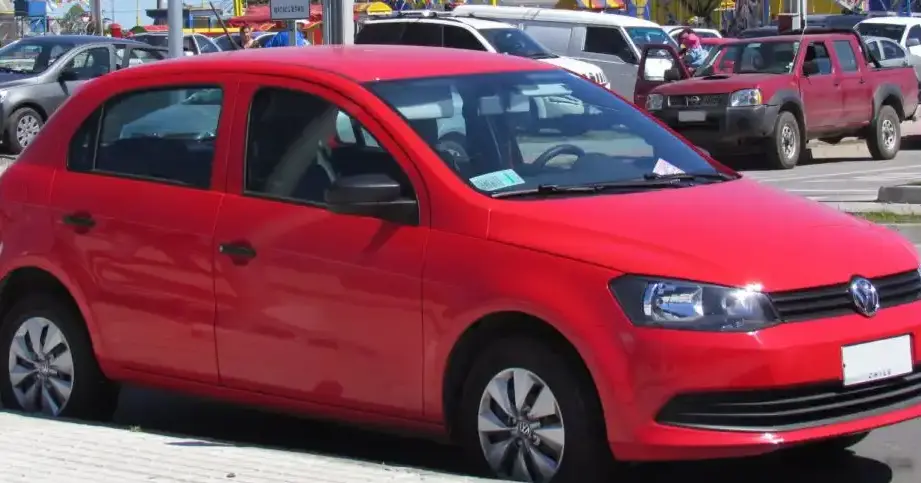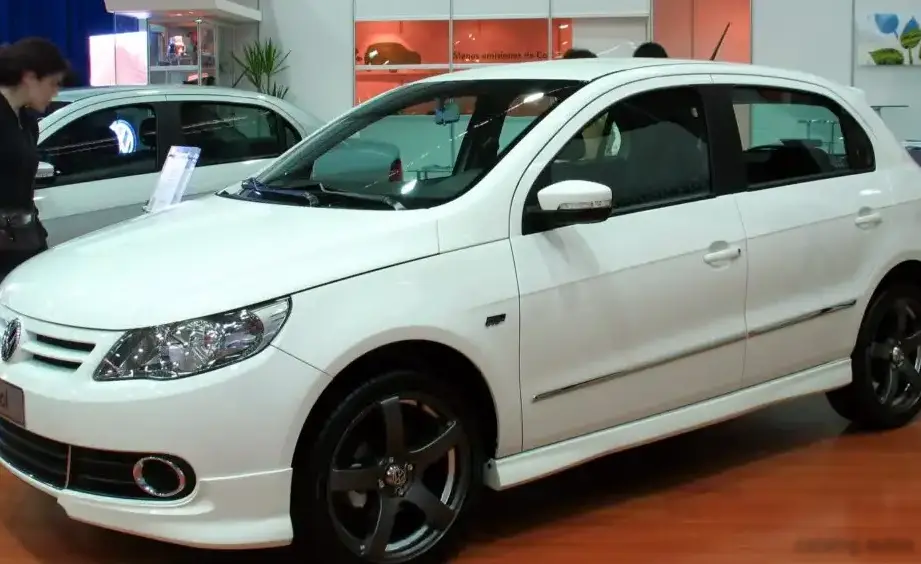
The Volkswagen Gol (G5) III 1.6, produced between 2008 and 2013, represented a significant iteration of Volkswagen’s long-running Gol series, a mainstay of the Brazilian automotive market and a key export to other Latin American countries. This variant, powered by the CFZA engine producing 101 horsepower, occupied a crucial mid-range position within the G5 lineup, offering a balance between affordability, fuel efficiency, and acceptable performance for everyday driving. The G5 generation itself was a substantial redesign, incorporating updated styling, improved safety features, and a more refined interior compared to its predecessors. It was built on the PQ24 platform, shared with other Volkswagen and SEAT models sold in emerging markets.
Technical Specifications
| Brand | Volkswagen |
| Model | Gol |
| Generation | Gol (G5) III |
| Type (Engine) | 1.6 (101 Hp) |
| Start of production | 2008 |
| End of production | 2013 |
| Powertrain Architecture | Internal Combustion engine |
| Body type | Hatchback |
| Seats | 5 |
| Doors | 5 |
| Fuel Type | Petrol (Gasoline) |
| Power | 101 Hp |
| Power per litre | 63.1 Hp/l |
| Torque | 154 Nm @ 2500 rpm (113.58 lb.-ft. @ 2500 rpm) |
| Engine layout | Front, Transverse |
| Engine Model/Code | CFZA |
| Engine displacement | 1600 cm3 (97.64 cu. in.) |
| Number of cylinders | 4 |
| Engine configuration | Inline |
| Number of valves per cylinder | 4 |
| Fuel injection system | Multi-port manifold injection |
| Engine aspiration | Naturally aspirated engine |
| Engine oil capacity | 4 l (4.23 US qt | 3.52 UK qt) |
| Trunk (boot) space – minimum | 283 l (9.99 cu. ft.) |
| Length | 3800 mm (149.61 in.) |
| Width | 1660 mm (65.35 in.) |
| Height | 1450 mm (57.09 in.) |
| Wheelbase | 2470 mm (97.24 in.) |
| Drivetrain Architecture | The Internal combustion engine (ICE) drives the front wheels of the vehicle. |
| Drive wheel | Front wheel drive |
| Number of gears and type of gearbox | 5 gears, manual transmission |
| Front brakes | Ventilated discs |
| Rear brakes | Drum |
| Assisting systems | ABS (Anti-lock braking system) |
| Tires size | 175/70 R13 |
| Wheel rims size | 13 |
Powertrain & Engine Architecture
The heart of the Gol 1.6 was the CFZA engine, a 1.6-liter inline-four cylinder unit. This engine was a member of Volkswagen’s EA111 family, known for its relatively simple design and robust construction. The CFZA featured a multi-point fuel injection system, providing adequate fuel delivery for the engine’s output. The engine utilized a single overhead camshaft (SOHC) valvetrain with four valves per cylinder, contributing to its respectable power output for its displacement. The 101 horsepower peak was achieved at a relatively high engine speed, requiring drivers to utilize the gearbox effectively to maintain momentum. The engine was designed to run on gasoline, and was optimized for the lower octane fuels commonly available in Latin American markets.
Driving Characteristics
The 1.6-liter engine, paired with a five-speed manual transmission, provided adequate, though not exhilarating, performance. Acceleration from 0 to 60 mph was estimated to be around 11-12 seconds. The engine’s torque curve was relatively flat, offering usable power across a broad range of engine speeds, but it did require downshifting for quicker overtaking maneuvers. Compared to the more powerful 1.8-liter versions of the Gol, the 1.6 felt noticeably less responsive, particularly when fully loaded with passengers or cargo. However, the 1.6 offered a more fuel-efficient driving experience, making it a popular choice for urban commuters. The five-speed manual transmission was generally well-regarded for its smooth operation and precise shift feel.
Equipment & Trim Levels
The Gol 1.6 typically came equipped with basic, but functional, features. Standard equipment generally included power steering, air conditioning (often optional), and a basic audio system. Interior upholstery was typically cloth, with a durable and practical design. Higher trim levels offered options such as electric windows, central locking, and alloy wheels. The dashboard layout was straightforward and functional, prioritizing ease of use over aesthetic flair. Safety features were relatively basic for the time, typically including dual front airbags and ABS brakes. The Gol 1.6 was positioned as an affordable and practical option, appealing to budget-conscious buyers.
Chassis & Braking
The Gol G5 III utilized a MacPherson strut front suspension and a torsion beam rear suspension. This setup provided a reasonable balance between ride comfort and handling. The front brakes were ventilated discs, offering adequate stopping power, while the rear brakes were drums, a cost-saving measure common in this segment. The steering was hydraulically assisted, providing light and easy steering feel. The relatively lightweight construction of the Gol helped to compensate for the modest power output of the 1.6-liter engine, resulting in a reasonably agile driving experience. Stabilizer bars were typically fitted to the front suspension to reduce body roll during cornering.
Market Reception & Comparison
The Volkswagen Gol 1.6 was well-received in its target markets, particularly in Brazil and Argentina. Critics praised its affordability, fuel efficiency, and practicality. However, some reviewers noted its relatively modest performance compared to competitors and higher-trim Gol models. Compared to the 1.8-liter Gol, the 1.6 offered significantly better fuel economy, but at the expense of acceleration and overall driving enjoyment. The 1.6 also offered a more affordable entry point into the Gol range, making it accessible to a wider range of buyers. Its reliability was generally considered good, although maintenance costs could be higher compared to some domestic competitors.
Legacy
The Volkswagen Gol G5 III 1.6 remains a common sight on the roads of Latin America today. The CFZA engine, while not particularly sophisticated, proved to be durable and relatively reliable with proper maintenance. Parts availability is generally good, and the Gol’s simple design makes it relatively easy to repair. In the used car market, the 1.6-liter version is often favored by buyers seeking an affordable and fuel-efficient vehicle for daily commuting. While it may not offer the performance or features of more modern vehicles, the Gol 1.6 continues to represent a practical and dependable transportation option for many.