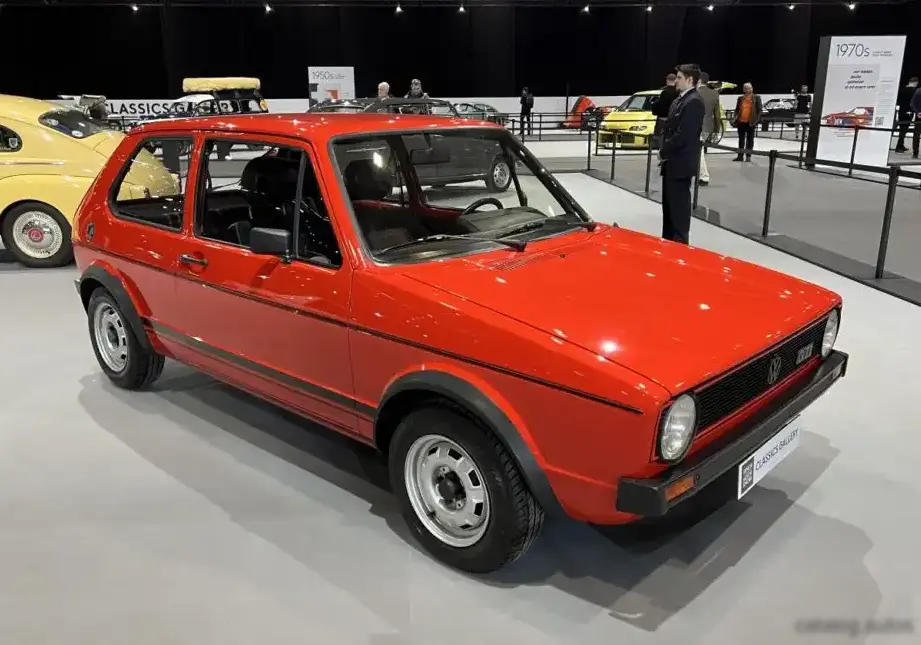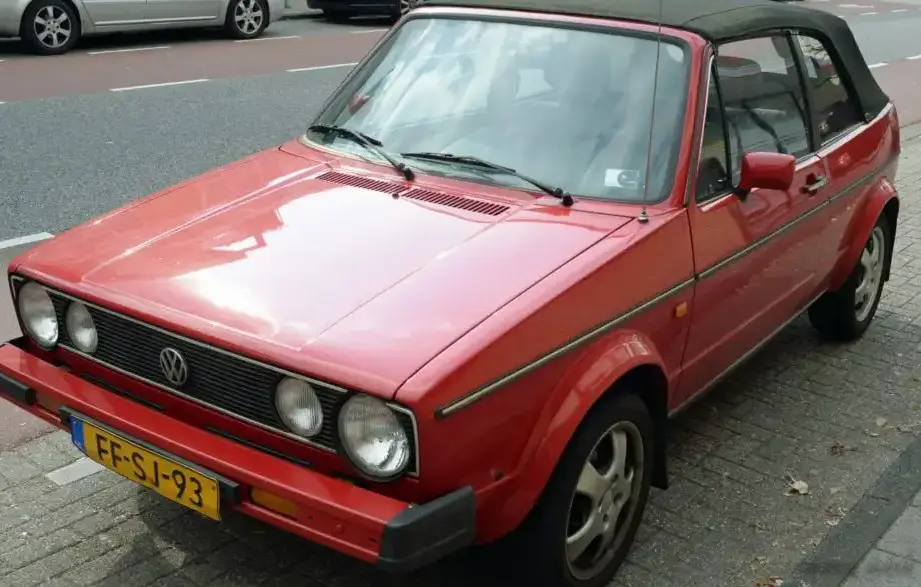
The Volkswagen Golf I Cabrio 1.8, produced from 1982 to 1989, represents a significant iteration of the original Golf Cabriolet, offering a blend of open-air motoring and Volkswagen’s renowned practicality. This variant, powered by the DX engine code, occupied a middle ground in the Golf I Cabrio lineup, positioned above the base models and below the more powerful GTI. It was a key component of Volkswagen’s strategy to broaden the appeal of the Cabriolet, offering a more accessible price point while retaining the core Golf experience. The Golf I Cabrio, based on the A1 platform, was a popular choice in both Europe and North America, becoming a cultural icon of the 1980s.
Technical Specifications
| Brand | Volkswagen |
| Model | Golf |
| Generation | Golf I Cabrio |
| Type (Engine) | 1.8 (112 Hp) |
| Start of production | 1982 |
| End of production | 1989 |
| Powertrain Architecture | Internal Combustion engine |
| Body type | Cabriolet |
| Fuel Type | Petrol (Gasoline) |
| Power | 112 Hp |
| Engine Model/Code | DX |
| Engine aspiration | Naturally aspirated engine |
| Engine oil capacity | 4 l (4.23 US qt | 3.52 UK qt) |
| Coolant capacity | 6.3 l (6.66 US qt | 5.54 UK qt) |
Powertrain & Engine Architecture
The Golf I Cabrio 1.8 utilized Volkswagen’s DX engine, a 1.8-liter inline-four cylinder gasoline engine. This engine, part of the EA827 family, was a single overhead camshaft (SOHC) design with two valves per cylinder. The DX code signifies a specific tuning of this engine, delivering 112 horsepower. Fuel delivery was managed by Bosch mechanical fuel injection – a system common for the era, offering a balance between cost and performance. The engine featured a cast iron block and an aluminum cylinder head, contributing to its durability. While not a high-revving engine, it produced a respectable amount of torque for its displacement. The 1.8L engine was typically paired with either a 4-speed or 5-speed manual transmission, but the variant discussed here was commonly equipped with a 3-speed automatic transmission. This automatic, while providing ease of use, was known for its relatively conservative gearing and impact on overall performance.
Driving Characteristics
The 1.8-liter engine with the 3-speed automatic transmission in the Golf I Cabrio offered a comfortable, if not particularly sporty, driving experience. Acceleration was adequate for everyday driving, with a 0-60 mph time estimated around 11-12 seconds. The automatic transmission’s gear ratios were spaced to prioritize fuel economy and smooth cruising rather than rapid acceleration. Compared to the 5-speed manual version, the automatic suffered a noticeable performance deficit. The manual transmission allowed for better control and utilization of the engine’s power band. Compared to the GTI models with their larger 1.8 or 1.6 liter engines, the 1.8 automatic was significantly slower. However, it provided a more relaxed driving experience, particularly in city traffic. The Cabriolet’s relatively light weight helped mitigate some of the performance limitations of the engine and transmission combination. Steering was precise, typical of Volkswagen, and the suspension provided a comfortable ride, although body roll was noticeable in corners.
Equipment & Trim Levels
The Golf I Cabrio 1.8 typically came with a reasonable level of standard equipment. Interior upholstery was usually cloth, available in a variety of patterns and colors. The dashboard featured a straightforward layout with analog gauges for speed, fuel level, coolant temperature, and a clock. Power steering was often an optional extra, as was air conditioning. Other available options included upgraded audio systems, alloy wheels, and a sunroof (in addition to the convertible top). The trim level of the 1.8 Cabriolet often fell between the base models and the more luxurious GL trim. The GL trim added features like upgraded interior materials, more comprehensive instrumentation, and additional exterior trim. The 1.8 model aimed to provide a good balance of features and affordability, appealing to buyers who wanted a stylish and practical convertible without the higher price tag of the GTI or GL.
Chassis & Braking
The Golf I Cabrio utilized a MacPherson strut front suspension and a twist-beam rear suspension. This setup provided a good compromise between ride comfort and handling. The front suspension incorporated stabilizer bars to reduce body roll. Braking systems varied depending on the year and market. Early models often featured drum brakes on the rear wheels, while later models upgraded to disc brakes all around. Front brakes were typically ventilated discs. The braking system was adequate for the car’s weight and performance, but lacked the stopping power of more modern vehicles. Steering was rack-and-pinion, providing precise and responsive handling. The chassis was reinforced compared to the standard Golf hatchback to compensate for the loss of structural rigidity due to the removal of the roof.
Market Reception & Comparison
The Golf I Cabrio 1.8 was generally well-received by automotive critics as a practical and stylish convertible. It was praised for its build quality, reliability, and comfortable ride. However, the automatic transmission was often criticized for its sluggish performance. Compared to the manual transmission versions, the automatic offered less engaging driving experience. Fuel economy was reasonable for the time, averaging around 25-30 mpg. The 1.8L engine proved to be relatively reliable, although regular maintenance was essential. Compared to other convertibles of the era, such as the Fiat Spider or Mazda MX-5 (later models), the Golf I Cabrio offered more practicality and interior space. It was a popular choice for buyers who wanted a versatile and affordable open-top car.
Legacy
The Golf I Cabrio 1.8, and the Golf I Cabrio in general, has achieved a strong following among classic car enthusiasts. The DX engine, while not the most powerful in the Golf lineup, is known for its durability and relative simplicity, making it easier to maintain and repair. Parts availability remains good, thanks to the Golf’s widespread popularity. Today, well-maintained examples of the Golf I Cabrio 1.8 are sought after by collectors and enthusiasts. The car’s iconic design and association with the 1980s contribute to its enduring appeal. While the automatic transmission isn’t highly prized, it doesn’t significantly detract from the car’s collectibility, particularly for those seeking a comfortable and easy-to-drive classic convertible. The Golf I Cabrio remains a testament to Volkswagen’s engineering prowess and its ability to create cars that are both practical and enjoyable to drive.