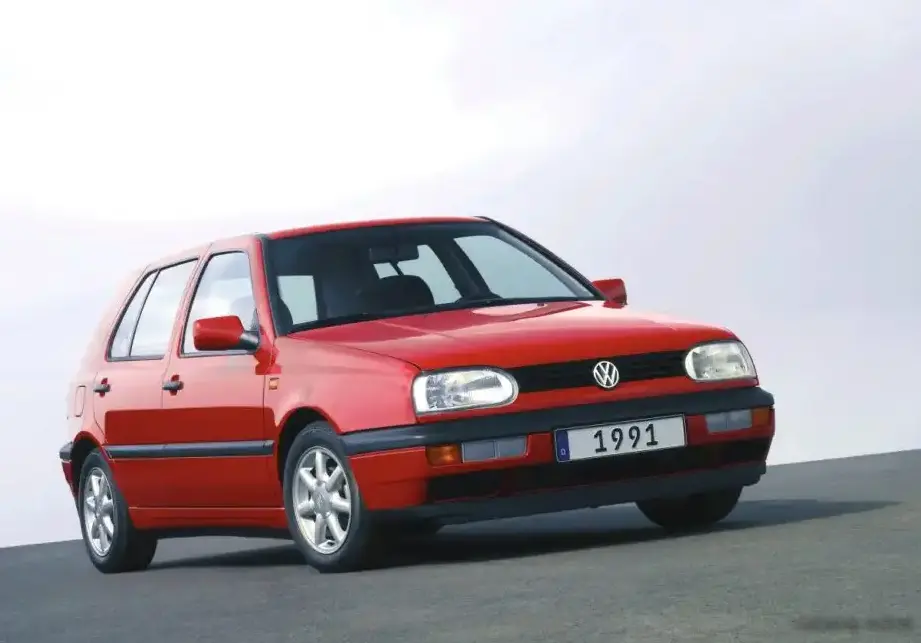
The Volkswagen Golf Mk3 2.9 VR6, produced between 1994 and 1999, represents a high-performance variant within the third generation Golf lineup (Typ 1H). Positioned as the flagship model for much of its production run, the VR6 offered a significant performance upgrade over the base models, appealing to enthusiasts seeking a sporty and refined hatchback. It was a key component in solidifying the Golf’s reputation as a versatile and capable vehicle, capable of competing with more expensive sports-oriented cars. The Golf Mk3 itself was a substantial evolution over the Mk2, featuring increased dimensions, improved safety features, and a more refined interior. The VR6 model, in particular, benefited from Volkswagen’s innovative narrow-angle V6 engine design.
Technical Specifications
| Brand | Volkswagen |
| Model | Golf |
| Generation | Golf III (Mk3) |
| Engine Type | 2.9 VR6 (Naturally Aspirated) |
| Production Years | 1994 – 1999 |
| Engine Code | ABV |
| Power Output | 190 hp |
| Fuel Type | Petrol (Gasoline) |
| Engine Oil Capacity | 5.5 liters (5.81 US qt / 4.84 UK qt) |
| Coolant Capacity | 10 liters (10.57 US qt / 8.8 UK qt) |
Powertrain & Engine Architecture
The heart of the Golf Mk3 VR6 is the ABV engine code, a 2.9-liter naturally aspirated V6. This engine is notable for its narrow 15-degree V-angle, which allows it to be packaged within the engine bay of a front-wheel-drive vehicle without requiring a complex transmission layout. Unlike traditional V6 engines, the VR6 utilizes a single cylinder head with two valves per cylinder, simplifying the design and reducing weight. Fuel injection is handled by a Bosch Motronic system, providing precise fuel delivery for optimal performance and emissions control. The engine features a dual overhead camshaft design, contributing to its relatively high power output for its displacement. The VR6 is known for its distinctive exhaust note, a characteristic that has made it a favorite among enthusiasts. The engine’s architecture prioritized smoothness and refinement, offering a more sophisticated driving experience compared to the four-cylinder Golf models.
Driving Characteristics
The Golf Mk3 VR6 delivers a noticeably more engaging driving experience than its lower-powered siblings. The 190 horsepower output, coupled with 195 lb-ft of torque, provides brisk acceleration and ample power for both city driving and highway cruising. While not a dedicated sports car, the VR6 offers a compelling blend of performance and practicality. The power delivery is linear and predictable, making it easy to control. The standard five-speed manual transmission allows for precise gear changes and maximizes the engine’s potential. The optional four-speed automatic transmission, while offering convenience, does slightly diminish the car’s responsiveness. The suspension is tuned to provide a comfortable ride while maintaining good handling characteristics. The VR6’s increased weight compared to the four-cylinder models is noticeable, but the added power more than compensates for it. The car feels stable and planted, even when pushed hard through corners.
Equipment & Trim Levels
The Golf Mk3 VR6 was typically offered in a higher trim level than the base models. Standard equipment often included power windows, power locks, central locking, and an upgraded audio system. Interior upholstery typically consisted of cloth or leather seats, with the latter being an optional extra. The dashboard featured a unique instrument cluster with additional gauges to monitor engine performance. Optional extras included a sunroof, air conditioning, alloy wheels, and a more advanced audio system. The VR6 models often received subtle exterior styling cues, such as a rear spoiler and unique wheel designs, to differentiate them from the lower-spec Golfs. The overall interior ambiance was more refined and upscale compared to the base models, reflecting the VR6’s premium positioning.
Chassis & Braking
The Golf Mk3 VR6 utilized a MacPherson strut front suspension and a multi-link rear suspension, providing a good balance of ride comfort and handling precision. The suspension components were often upgraded compared to the base models to cope with the increased power and weight of the VR6 engine. Braking duties were typically handled by disc brakes on all four wheels, providing ample stopping power. ABS (Anti-lock Braking System) was often standard equipment, enhancing safety and control. The VR6 models often featured larger brake rotors and calipers compared to the lower-spec Golfs. Stabilizer bars were fitted to both the front and rear axles to reduce body roll during cornering. The chassis was reinforced in key areas to improve rigidity and handling.
Market Reception & Comparison
The Golf Mk3 VR6 was generally well-received by automotive critics. It was praised for its smooth and powerful engine, refined handling, and overall build quality. Critics noted that the VR6 offered a compelling alternative to more expensive sports cars, providing a similar level of performance in a more practical package. Compared to the four-cylinder Golf models, the VR6 offered a significant performance upgrade, but at a higher price point. The 1.8-liter and 2.0-liter four-cylinder models were more fuel-efficient and affordable, appealing to a broader range of buyers. The VR6 was also compared to other hot hatchbacks of the era, such as the Ford Escort Cosworth and the Renault Clio Williams, and generally held its own in terms of performance and handling. Reliability was generally good, although the VR6 engine could be more complex and expensive to maintain than the four-cylinder engines.
Legacy
The Golf Mk3 VR6 has become a sought-after classic among Volkswagen enthusiasts. The ABV engine is known for its durability and tunability, making it a popular choice for modifications and upgrades. Well-maintained examples are becoming increasingly rare and valuable. The VR6’s distinctive exhaust note and smooth power delivery continue to appeal to drivers today. The Golf Mk3 VR6 represents a high point in Volkswagen’s engineering prowess, showcasing the company’s ability to create a refined and engaging driving experience in a practical and affordable package. The car’s legacy extends beyond its performance capabilities, as it helped to establish the Golf as a benchmark for hot hatchbacks. Finding a rust-free, original example is becoming increasingly difficult, but the rewards for owning and maintaining one are significant for those who appreciate a classic piece of automotive history.