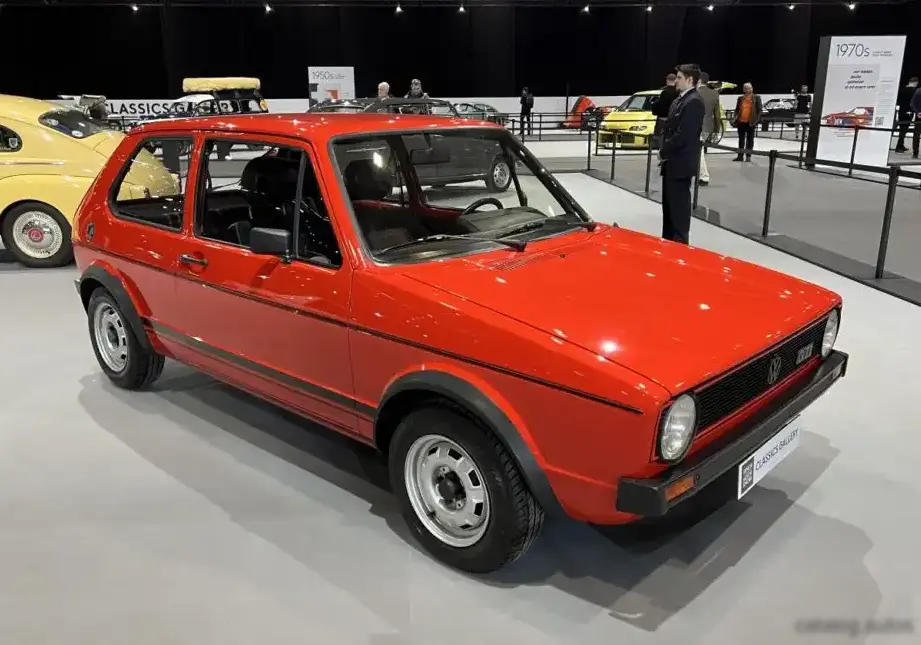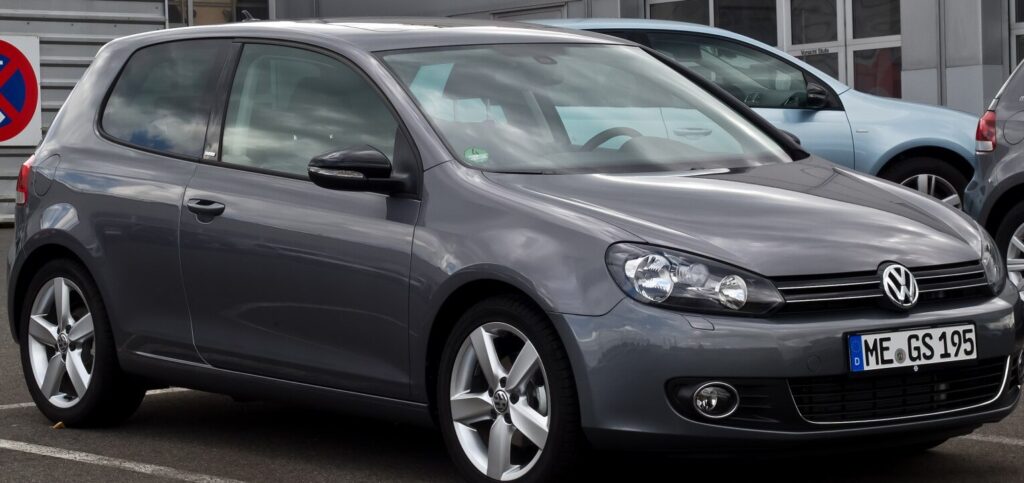
The Volkswagen Golf VI 1.4 TSI (122 hp) 3-door hatchback, produced from October 2008 to April 2013, represented a key entry point into the sixth generation of Volkswagen’s iconic Golf model. Positioned as a mainstream offering, it bridged the gap between the base Trendline trim and the more performance-oriented GTI or diesel variants. This particular configuration, utilizing the CAXA engine code, was designed to appeal to buyers seeking a balance of fuel efficiency, reasonable performance, and modern features in a compact package. The Golf VI itself was built on the A5 (1K) platform, an evolution of the previous generation, offering improvements in refinement, safety, and technology.
Powertrain & Engine Architecture
At the heart of the Golf VI 1.4 TSI (122 hp) lies the CAXA engine, a 1.4-liter inline-four cylinder gasoline engine featuring direct fuel injection and a turbocharger with an intercooler. This engine was a significant advancement over the naturally aspirated engines previously offered in the Golf, providing a substantial increase in power and torque from a relatively small displacement. The direct injection system, utilizing piezo injectors, allowed for precise fuel delivery and optimized combustion. The engine employed a dual overhead camshaft (DOHC) valvetrain with four valves per cylinder, contributing to its efficient breathing and power output.
The 1.4 TSI engine produced 122 horsepower at 5000 rpm and 200 Nm (147.51 lb-ft) of torque between 1500 and 4000 rpm. This torque curve provided good low-end responsiveness, making it suitable for everyday driving. The engine’s turbocharger boosted performance, delivering a noticeable surge in power during acceleration. The engine’s oil capacity was 3.6 liters (3.8 US qt / 3.17 UK qt) and required a specification adhering to Volkswagen standards. Coolant capacity was 5.6 liters (5.92 US qt / 4.93 UK qt).
While a six-speed manual transmission was standard, a seven-speed dual-clutch gearbox (DSG) was offered as an optional upgrade. The six-speed manual provided a direct and engaging driving experience, while the DSG offered quicker shifts and improved fuel economy. The front wheels were driven, consistent with the Golf’s traditional front-wheel-drive layout.
Fuel Injection and Turbocharging
The CAXA engine’s direct injection system was a key component of its efficiency and performance. Unlike traditional port fuel injection, direct injection sprays fuel directly into the combustion chamber, allowing for more precise control over the air-fuel mixture. This resulted in improved fuel economy, reduced emissions, and increased power output. The turbocharger, coupled with an intercooler, further enhanced performance by forcing more air into the engine, increasing its power density. The intercooler cooled the compressed air, maximizing its density and further improving combustion efficiency.
Driving Characteristics
The Golf VI 1.4 TSI (122 hp) offered a comfortable and refined driving experience. While not a performance-focused model, the 122 hp engine provided adequate power for everyday driving situations. Acceleration from 0 to 100 km/h (0-62 mph) took approximately 9.5 seconds, and top speed was limited to 200 km/h (124.27 mph). The engine’s torque delivery made it feel more responsive than its horsepower figure might suggest, particularly in the mid-range.
Compared to the more powerful Golf GTI or the torquey diesel variants, the 1.4 TSI felt less urgent in its acceleration. However, it offered a smoother and more linear power delivery, making it easier to drive in congested traffic. The six-speed manual transmission allowed drivers to maintain optimal engine speed for efficient cruising, while the optional DSG provided seamless gear changes and improved fuel economy. The suspension, tuned for comfort, absorbed bumps and imperfections in the road well, providing a stable and predictable ride.
Equipment & Trim Levels
The Golf VI 1.4 TSI (122 hp) 3-door typically came equipped with a range of standard features, including air conditioning, power windows, power mirrors, a CD stereo system, and alloy wheels. Safety features included ABS (Anti-lock Braking System), airbags, and electronic stability control. The interior typically featured cloth upholstery, with options for upgraded materials and trim levels.
Optional extras included a sunroof, upgraded audio system, navigation system, parking sensors, and leather upholstery. Higher trim levels, such as the Comfortline and Highline, added additional features as standard, such as automatic climate control, cruise control, and fog lights. The 3-door configuration offered a sportier aesthetic and slightly reduced weight compared to the 5-door model, appealing to buyers prioritizing style and agility.
Chassis & Braking
The Golf VI 1.4 TSI (122 hp) utilized an independent McPherson strut suspension at the front and an independent multi-link suspension at the rear. This suspension setup provided a good balance of comfort and handling. The front suspension featured a coil spring and anti-roll bar, while the rear suspension also included a stabilizer bar. The chassis was designed to minimize body roll and provide precise steering response.
Braking duties were handled by ventilated discs at the front and solid discs at the rear. The ABS system prevented wheel lockup during hard braking, enhancing safety and control. Electric power steering provided light and precise steering feel, making it easy to maneuver in urban environments. The vehicle rode on 205/55 R16 tires mounted on 6.5J x 16 inch alloy wheels.
Market Reception & Comparison
The Golf VI 1.4 TSI (122 hp) was generally well-received by automotive critics. It was praised for its fuel efficiency, comfortable ride, and refined interior. However, some critics noted that the engine could feel strained when fully loaded or driving uphill. Compared to the more powerful Golf GTI, the 1.4 TSI offered a more affordable entry point into the Golf range, but at the expense of performance.
In terms of fuel economy, the 1.4 TSI achieved approximately 8.2 l/100 km (28.7 US mpg / 34.4 UK mpg) in urban driving, 5.1 l/100 km (46.1 US mpg / 55.4 UK mpg) in extra-urban driving, and 6.2 l/100 km (37.9 US mpg / 45.6 UK mpg) in combined driving. This made it a competitive option in its class. Reliability was generally good, although some owners reported minor issues with the turbocharger and fuel injection system. Compared to the 1.9 TDI diesel variant, the 1.4 TSI offered lower running costs in terms of fuel, but potentially higher maintenance costs due to the complexity of the turbocharging system.
Technical Specifications
| Brand | Volkswagen |
| Model | Golf |
| Generation | Golf VI (3-door) |
| Engine Type | 1.4 TSI (122 Hp) |
| Production Years | October 2008 – April 2013 |
| Engine Code | CAXA |
| Engine Displacement | 1390 cm3 (84.82 cu. in.) |
| Number of Cylinders | 4 |
| Engine Configuration | Inline |
| Cylinder Bore | 76.5 mm (3.01 in.) |
| Piston Stroke | 75.6 mm (2.98 in.) |
| Compression Ratio | 10:1 |
| Fuel Injection System | Direct Injection |
| Engine Aspiration | Turbocharger, Intercooler |
| Power | 122 Hp @ 5000 rpm |
| Torque | 200 Nm (147.51 lb.-ft.) @ 1500-4000 rpm |
| Fuel Consumption (Urban) | 8.2 l/100 km (28.7 US mpg / 34.4 UK mpg) |
| Fuel Consumption (Extra-Urban) | 5.1 l/100 km (46.1 US mpg / 55.4 UK mpg) |
| Fuel Consumption (Combined) | 6.2 l/100 km (37.9 US mpg / 45.6 UK mpg) |
| Kerb Weight | 1290 kg (2843.96 lbs.) |
| Max. Weight | 1820 kg (4012.41 lbs.) |
| Trunk Space (Minimum) | 350 l (12.36 cu. ft.) |
| Trunk Space (Maximum) | 1305 l (46.09 cu. ft.) |
| Fuel Tank Capacity | 55 l (14.53 US gal / 12.1 UK gal) |
| Acceleration 0-100 km/h | 9.5 sec |
| Maximum Speed | 200 km/h (124.27 mph) |
Legacy
The Golf VI 1.4 TSI (122 hp) powertrain has proven to be relatively reliable over the long term, although regular maintenance is crucial to prevent issues with the turbocharger and fuel injection system. In the used car market, these models represent a good value proposition for buyers seeking a well-rounded and fuel-efficient compact hatchback. The CAXA engine, while not as powerful as some of its siblings, offers a good balance of performance and economy, making it a practical choice for everyday driving. The Golf VI, as a whole, remains a popular and respected model, known for its build quality, refinement, and practicality.