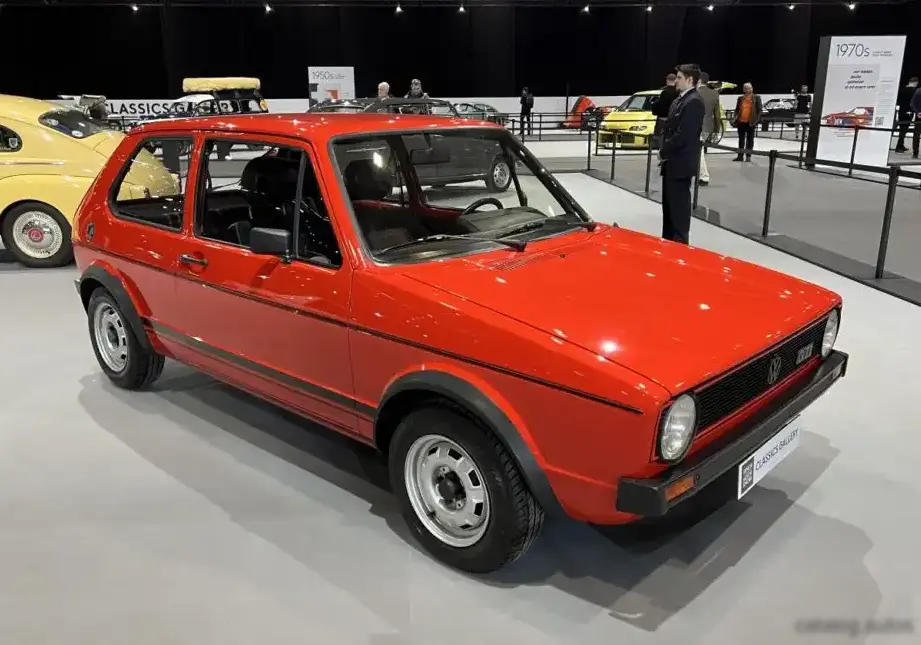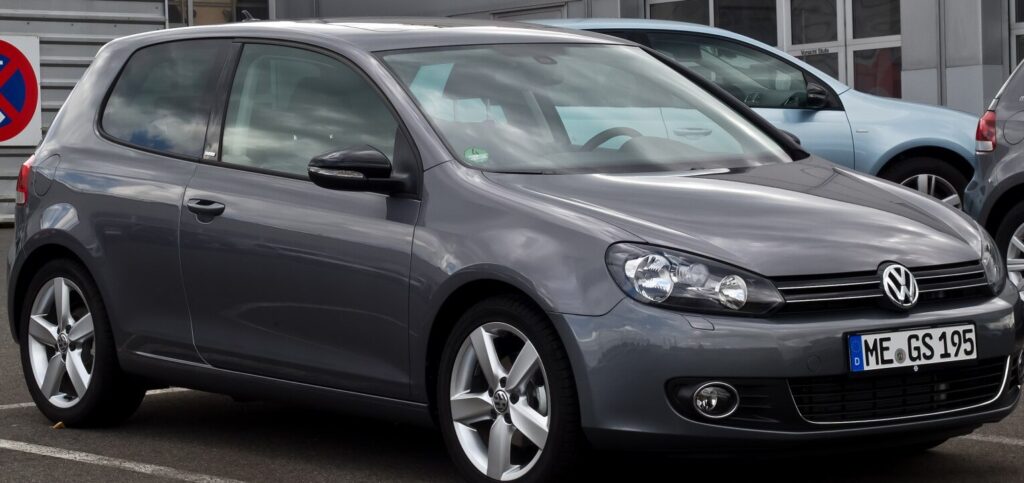
The Volkswagen Golf VI 1.4 TSI (122 hp) with the Direct-Shift Gearbox (DSG) was a popular variant of the sixth-generation Golf, produced from October 2008 to April 2013. Positioned as a mid-range offering within the Golf VI lineup, it aimed to balance performance, fuel efficiency, and affordability. This 3-door hatchback served as a key model in Volkswagen’s strategy to offer a diverse range of Golf configurations, appealing to a broad customer base within the highly competitive C-segment.
Powertrain & Engine Architecture
The heart of the Golf VI 1.4 TSI DSG is the CAXA engine code, a 1.390-liter (84.82 cubic inches) inline-four cylinder gasoline engine. This engine is a significant departure from earlier Golf powertrains, utilizing direct fuel injection and a turbocharger with an intercooler to achieve a relatively high power output from a small displacement. The direct injection system, a key feature, allows for precise fuel delivery, improving combustion efficiency and reducing emissions. The engine employs a dual overhead camshaft (DOHC) valvetrain with four valves per cylinder, optimizing airflow for enhanced performance.
The turbocharger provides a boost in power and torque, overcoming the limitations of the engine’s small displacement. The intercooler cools the compressed air from the turbocharger, further increasing its density and improving combustion. The engine’s compression ratio is 10:1, a balance between efficiency and performance. The 1.4 TSI engine requires 3.6 liters (3.8 US quarts) of engine oil, specified to Volkswagen standards. Coolant capacity is 5.6 liters (5.92 US quarts).
Paired with the engine is the 7-speed DSG (Direct-Shift Gearbox), a dual-clutch transmission. This transmission offers the efficiency of a manual gearbox with the convenience of an automatic. The DSG utilizes two separate clutches, one for odd-numbered gears and one for even-numbered gears. This allows for incredibly fast and smooth gear changes, as the next gear is pre-selected and ready to engage. The transmission’s gear ratios are optimized for both acceleration and fuel economy.
Engine Specifications (CAXA)
- Displacement: 1,390 cc (84.82 cu in)
- Configuration: Inline-4
- Fuel Injection: Direct Injection
- Turbocharger: Yes, with Intercooler
- Valvetrain: DOHC, 4 valves per cylinder
- Compression Ratio: 10:1
Driving Characteristics
The Golf VI 1.4 TSI DSG delivers a respectable driving experience, prioritizing fuel efficiency and everyday usability over outright performance. With 122 horsepower at 5,000 rpm and 200 Nm (147.51 lb-ft) of torque available from 1,500 to 4,000 rpm, the engine provides adequate power for most driving situations. Acceleration from 0 to 100 km/h (0-62 mph) takes approximately 9.5 seconds, while 0-60 mph is achieved in around 9 seconds. The maximum speed is electronically limited to 200 km/h (124.27 mph).
The DSG transmission plays a crucial role in the driving experience. It provides quick and seamless gear changes, enhancing acceleration and responsiveness. In automatic mode, the transmission intelligently selects the optimal gear based on driving conditions and throttle input. Drivers can also manually shift gears using the Tiptronic function, giving them more control over the powertrain. Compared to the more powerful Golf variants, such as those equipped with the 1.8 TSI or 2.0 TDI engines, the 1.4 TSI feels less eager to accelerate, but it offers a smoother and more refined driving experience. The 1.4 TSI also provides better fuel economy than its more powerful siblings.
Equipment & Trim Levels
The Golf VI 1.4 TSI DSG typically came equipped with a reasonable level of standard features. These included air conditioning, power windows, power mirrors, a CD/MP3 stereo system, and alloy wheels. Safety features such as ABS (Anti-lock Braking System), electronic stability control, and multiple airbags were also standard. Interior upholstery was typically cloth, with options for upgraded materials available. The dashboard layout was functional and well-designed, with a clear instrument cluster and intuitive controls.
Optional extras included features such as a sunroof, upgraded audio system, navigation system, parking sensors, and leather upholstery. Trim levels varied by market, but generally, the 1.4 TSI DSG was offered in base and mid-range configurations. The mid-range trim often added features like automatic climate control, cruise control, and fog lights.
Chassis & Braking
The Golf VI 1.4 TSI DSG utilizes an independent suspension system on both the front and rear axles. The front suspension is a McPherson strut design with coil springs and an anti-roll bar, while the rear suspension is a multi-link setup with a stabilizer bar. This suspension configuration provides a good balance between ride comfort and handling. The chassis is tuned to provide a stable and predictable driving experience.
Braking duties are handled by ventilated discs on the front wheels and solid discs on the rear wheels. The ABS system prevents wheel lockup during hard braking, enhancing safety and control. Power steering is electrically assisted, providing precise and responsive steering feel. The standard tire size is 225/45 R17, mounted on 17-inch alloy wheels.
Market Reception & Comparison
The Golf VI 1.4 TSI DSG was generally well-received by automotive critics. It was praised for its fuel efficiency, smooth-shifting DSG transmission, and comfortable ride. However, some critics noted that the engine could feel underpowered, especially when fully loaded or driving uphill. Compared to other engines in the Golf VI lineup, the 1.4 TSI offered the best fuel economy, achieving approximately 6.0 l/100 km (39.2 US mpg) in combined driving. The 1.8 TSI offered more performance, while the 2.0 TDI provided even better fuel economy but with the characteristics of a diesel engine.
In terms of reliability, the 1.4 TSI engine has been known to experience some issues with carbon buildup on the intake valves, particularly in areas where long-distance driving is less common. Regular maintenance, including the use of high-quality fuel and occasional intake valve cleaning, can help mitigate this issue. The DSG transmission is generally reliable, but it requires regular fluid changes to ensure optimal performance and longevity.
Technical Specifications
| Brand | Volkswagen |
| Model | Golf |
| Generation | Golf VI (3-door) |
| Engine Type | 1.4 TSI (122 Hp) DSG |
| Production Years | October 2008 – April 2013 |
| Engine Code | CAXA |
| Engine Displacement | 1390 cm3 (84.82 cu. in.) |
| Number of Cylinders | 4 |
| Engine Configuration | Inline |
| Power | 122 Hp @ 5000 rpm |
| Torque | 200 Nm @ 1500-4000 rpm (147.51 lb.-ft.) |
| Fuel Type | Petrol (Gasoline) |
| Acceleration 0-100 km/h | 9.5 sec |
| Acceleration 0-62 mph | 9.5 sec |
| Maximum Speed | 200 km/h (124.27 mph) |
| Fuel Consumption (Urban) | 7.7 l/100 km (30.5 US mpg) |
| Fuel Consumption (Extra Urban) | 5 l/100 km (47 US mpg) |
| Fuel Consumption (Combined) | 6 l/100 km (39.2 US mpg) |
| Kerb Weight | 1316 kg (2901.28 lbs) |
| Max. Weight | 1840 kg (4056.51 lbs) |
| Trunk Space (Minimum) | 350 l (12.36 cu. ft.) |
| Trunk Space (Maximum) | 1305 l (46.09 cu. ft.) |
| Fuel Tank Capacity | 55 l (14.53 US gal) |
| Transmission | 7-speed DSG |
Legacy
The Golf VI 1.4 TSI DSG remains a popular choice in the used car market. Its combination of fuel efficiency, practicality, and relatively low running costs makes it an attractive option for buyers seeking a reliable and affordable hatchback. While the engine may require occasional maintenance to address potential carbon buildup, the overall reliability of the powertrain is generally good. The DSG transmission, when properly maintained, is known for its durability. The Golf VI 1.4 TSI DSG represents a significant step forward in Volkswagen’s engine technology, showcasing the benefits of direct injection and turbocharging in a compact and efficient package. It continues to be a well-regarded and sought-after variant within the Golf VI generation.