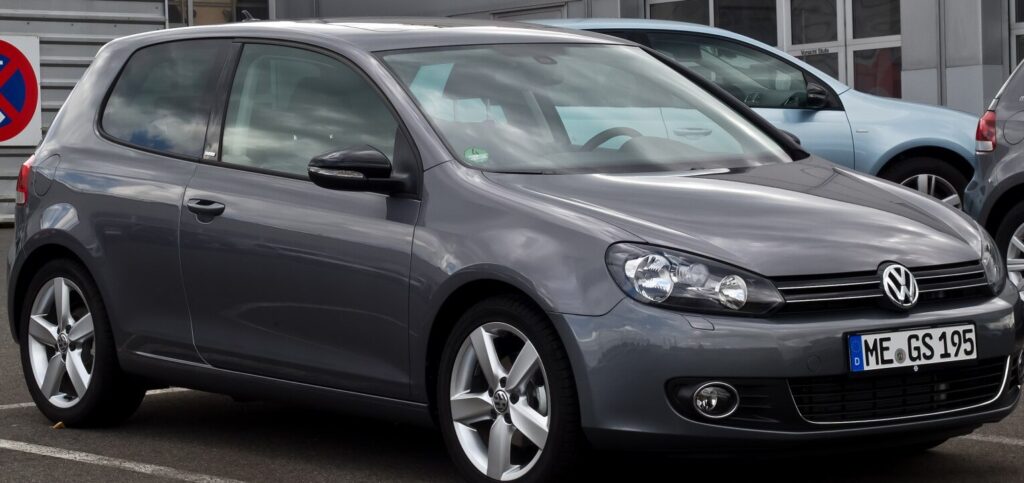
The Volkswagen Golf VI 1.4 TSI (140 hp) DSG, produced from 2008 to 2012, represented a significant step forward in the Golf lineage, blending performance and efficiency within the popular compact hatchback segment. This three-door variant occupied a mid-range position in the Golf VI lineup, offering a more potent engine option than the base 1.6-liter models, but remaining more accessible than the higher-performance GTI or diesel-powered GTD versions. It was a key component of the A5 platform (internally designated the 1K chassis), which brought improvements in refinement, technology, and overall build quality compared to its predecessor.
Powertrain & Engine Architecture
At the heart of the Golf VI 1.4 TSI DSG lies the CHPA engine code, a 1.4-liter turbocharged inline-four cylinder gasoline engine. This engine was a cornerstone of Volkswagen’s strategy to downsize while simultaneously increasing power output. The ‘TSI’ designation stands for ‘Turbocharged Stratified Injection,’ highlighting the engine’s key technologies. It employed direct fuel injection, delivering fuel directly into the combustion chamber at high pressure, optimizing combustion efficiency and reducing emissions. The engine featured a sophisticated turbocharger with an intercooler, providing increased air density for improved power delivery.
The valvetrain utilized a dual overhead camshaft (DOHC) configuration with four valves per cylinder, allowing for precise control of valve timing and maximizing volumetric efficiency. The engine’s turbocharger and direct injection system worked in concert to produce 140 horsepower at 5600 rpm and 220 Nm (162.26 lb-ft) of torque between 1500 and 4000 rpm. This broad torque curve provided good responsiveness in everyday driving situations.
Paired with the 1.4 TSI engine was Volkswagen’s 7-speed dual-clutch transmission (DSG). This transmission, also known as a Direct-Shift Gearbox, offered the convenience of an automatic transmission with the efficiency and responsiveness of a manual. The DSG utilizes two separate clutches, one for odd-numbered gears and one for even-numbered gears, allowing for seamless and incredibly quick gear changes. The gear ratios were tuned to balance acceleration with fuel economy, providing a comfortable and engaging driving experience.
Engine Specifications (CHPA)
Bore x Stroke: 76.5 mm x 75.6 mm (3.01 in x 2.98 in)
Compression Ratio: 10:1
Displacement: 1390 cm³ (84.82 cu. in.)
Driving Characteristics
The Golf VI 1.4 TSI DSG offered a noticeable step up in performance compared to the lower-powered engine options. The 140 hp output, combined with the readily available torque from the turbocharger, resulted in a 0-62 mph (0-100 km/h) acceleration time of 8.8 seconds. While not a sports car, this was sufficient for confident overtaking and merging onto highways. The DSG transmission played a crucial role in maximizing the engine’s potential, providing quick and smooth gear changes that kept the engine within its optimal power band.
Compared to the manual transmission versions of the 1.4 TSI, the DSG offered a more relaxed driving experience, particularly in urban traffic. The automatic shifting eliminated the need for constant clutch and gear lever operation. However, some enthusiasts preferred the greater control offered by the manual gearbox. Against the more powerful GTI models, the 1.4 TSI felt noticeably less potent, lacking the GTI’s raw acceleration and more aggressive engine character. The 1.9 TDI diesel variants offered comparable torque but with a different power delivery profile, prioritizing fuel economy over outright performance.
Equipment & Trim Levels
The Golf VI 1.4 TSI DSG typically came equipped with a reasonable level of standard features. These generally included air conditioning, power windows, power mirrors, a CD/MP3 stereo system, and alloy wheels. Safety features such as ABS (Anti-lock Braking System), electronic stability control, and multiple airbags were also standard. Interior upholstery was typically cloth, with options for upgraded materials like Alcantara or leather available as optional extras.
Optional extras for the 1.4 TSI DSG could include features like a sunroof, parking sensors, a navigation system, upgraded audio systems, and sport seats. Trim levels varied slightly depending on the market, but generally followed a progression from ‘Trendline’ (base), ‘Comfortline’ (mid-range), and ‘Highline’ (premium). The 1.4 TSI DSG was most commonly found in the Comfortline and Highline trims, offering a good balance of features and price.
Chassis & Braking
The Golf VI 1.4 TSI DSG utilized an independent suspension system on both the front and rear axles. The front suspension employed a McPherson strut design with coil springs and an anti-roll bar, while the rear suspension featured a multi-link setup, also with coil springs and a stabilizer bar. This suspension configuration provided a comfortable ride quality while maintaining good handling characteristics.
Braking duties were handled by ventilated discs on the front wheels and solid discs on the rear wheels. ABS (Anti-lock Braking System) was standard, enhancing braking performance and stability, particularly in adverse conditions. Electric power steering provided a light and precise steering feel. The 1.4 TSI models typically featured smaller brake rotors compared to the GTI or R models, reflecting their lower weight and performance capabilities.
Market Reception & Comparison
The Golf VI 1.4 TSI DSG was generally well-received by automotive critics. It was praised for its blend of performance, fuel economy, and refinement. The engine was considered punchy and responsive, and the DSG transmission was lauded for its smoothness and efficiency. Fuel economy figures were respectable, with combined cycle consumption averaging around 7.1 l/100 km (33.1 US mpg).
Compared to the 1.6-liter Golf models, the 1.4 TSI offered a significant performance upgrade without a substantial increase in fuel consumption. Against the diesel-powered Golfs, the 1.4 TSI provided a more engaging driving experience, albeit with slightly lower fuel economy. Reliability was generally good, although some owners reported issues with the DSG transmission, particularly early units. Regular maintenance, including DSG fluid changes, was crucial to ensure long-term reliability.
Technical Specifications
| Body Type | Hatchback, 3 Doors |
| Engine Type | 1.4 TSI (Turbocharged Stratified Injection) |
| Engine Code | CHPA |
| Displacement | 1390 cm³ (84.82 cu. in.) |
| Power | 140 hp @ 5600 rpm |
| Torque | 220 Nm (162.26 lb-ft) @ 1500-4000 rpm |
| Transmission | 7-speed DSG (Dual-Clutch) |
| Drive | Front Wheel Drive |
| 0-62 mph (0-100 km/h) | 8.8 sec |
| Maximum Speed | 203 km/h (126.14 mph) |
| Fuel Consumption (Combined) | 7.1 l/100 km (33.1 US mpg, 39.8 UK mpg) |
| Kerb Weight | 1290 kg (2843.96 lbs) |
| Fuel Tank Capacity | 55 l (14.53 US gal, 12.1 UK gal) |
| Length | 4199 mm (165.31 in) |
| Width | 1779 mm (70.04 in) |
| Height | 1479 mm (58.23 in) |
Legacy
The Golf VI 1.4 TSI DSG powertrain has proven to be relatively durable, although the DSG transmission remains a potential weak point if not properly maintained. In the used car market, these models represent a good value proposition, offering a blend of performance, efficiency, and practicality. The 1.4 TSI engine, while not as robust as some naturally aspirated engines, is generally reliable if serviced according to Volkswagen’s recommendations. The DSG transmission, while capable of providing years of trouble-free operation, requires regular fluid changes to prevent premature wear and failure. Overall, the Golf VI 1.4 TSI DSG remains a popular and well-regarded compact hatchback, offering a compelling alternative to other vehicles in its class.