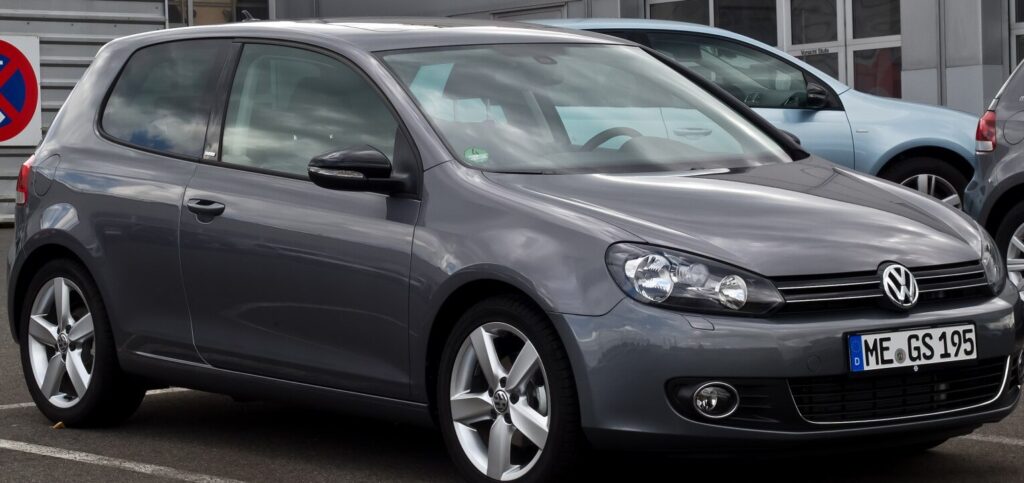
The Volkswagen Golf VI 1.6 TDI (105 hp) is a front-wheel-drive, three-door hatchback produced between 2009 and 2012 as part of the sixth generation (Mk6) of the Volkswagen Golf. Positioned as an entry-level diesel offering within the Golf VI range, it aimed to provide fuel efficiency and reasonable performance for everyday commuting and general use. This variant occupied a key space in the lineup, appealing to buyers prioritizing economy over outright performance, and serving as a more affordable alternative to the higher-powered petrol and diesel models available.
Powertrain & Engine Architecture
The Golf VI 1.6 TDI utilized the CAYC engine code, a 1.6-liter inline four-cylinder diesel engine. This engine was part of Volkswagen’s common rail diesel family, known for its efficiency and relatively quiet operation. The engine featured a turbocharger with an intercooler to enhance power output and improve combustion efficiency. The 1.6 TDI employed a direct fuel injection system, injecting fuel directly into the combustion chamber at extremely high pressure (1600 bar) for optimized fuel atomization and cleaner combustion. The engine’s valvetrain consisted of a double overhead camshaft (DOHC) design with four valves per cylinder, contributing to improved breathing and power delivery.
The engine was typically paired with a five-speed manual transmission, however, a six-speed automatic transmission (often referred to as DSG – Direct Shift Gearbox, though a traditional torque converter automatic was also available) was offered as an option. The automatic transmission was designed to provide smooth gear changes and enhance driving comfort, though it did slightly impact fuel economy compared to the manual version. The automatic transmission utilized electronic controls for optimized shift points based on driving conditions.
Engine Specifications
Key engine specifications included a compression ratio of 16.5:1, a bore of 79.5 mm (3.13 inches), and a stroke of 80.5 mm (3.17 inches). The engine produced a maximum power output of 105 horsepower (78 kW) at 4400 rpm and a peak torque of 250 Nm (184.39 lb-ft) between 1500 and 2500 rpm. This torque curve provided good low-end responsiveness, making the car relatively easy to drive in urban environments.
Driving Characteristics
The Golf VI 1.6 TDI with 105 hp offered a practical and economical driving experience. Acceleration from 0 to 100 km/h (0-62 mph) took approximately 11.3 seconds, and the top speed was around 189 km/h (117.44 mph). While not particularly sporty, the engine provided sufficient power for everyday driving situations, including highway cruising and overtaking. The turbocharger helped to mitigate turbo lag, providing a reasonably linear power delivery.
Compared to the more powerful Golf variants, such as the 1.4 TSI or the 2.0 TDI, the 1.6 TDI felt noticeably slower. However, it offered a more relaxed driving experience, prioritizing fuel efficiency over outright performance. The five-speed manual transmission was well-matched to the engine’s characteristics, providing adequate gear spacing for efficient cruising and acceleration. The optional automatic transmission, while convenient, could sometimes feel hesitant during quick acceleration maneuvers.
Equipment & Trim Levels
The Golf VI 1.6 TDI typically came equipped with a reasonable level of standard features, reflecting its position as an entry-level model. Standard equipment generally included air conditioning, power windows, central locking, an audio system with CD player, and basic safety features such as ABS (Anti-lock Braking System) and airbags. Interior upholstery was typically cloth, with a functional and durable design.
Optional extras included alloy wheels, a multi-function steering wheel, a more advanced audio system, parking sensors, and climate control. Higher trim levels, such as Trendline and Comfortline, offered additional features as standard, including upgraded interior trim, cruise control, and fog lights. The three-door configuration emphasized a sportier aesthetic, though it did compromise rear passenger access compared to the five-door model.
Chassis & Braking
The Golf VI 1.6 TDI utilized an independent suspension system, featuring a McPherson strut setup at the front and a multi-link suspension at the rear. This suspension configuration provided a good balance between ride comfort and handling. A transverse stabilizer bar was fitted to both the front and rear axles to reduce body roll during cornering. The chassis was designed to be relatively lightweight, contributing to improved fuel efficiency and handling.
Braking duties were handled by ventilated discs at the front and solid discs at the rear. The ABS system helped to prevent wheel lock-up during hard braking, enhancing safety and control. The steering system was a rack and pinion type with electric power assistance, providing precise steering feel and reducing driver effort. Tire sizes typically ranged from 195/65 R15 to 205/55 R16, depending on the trim level and optional equipment.
Market Reception & Comparison
The Golf VI 1.6 TDI was generally well-received by automotive critics as a practical and economical choice. It was praised for its fuel efficiency, comfortable ride, and relatively quiet engine. However, some critics noted that the engine lacked outright power, particularly when fully loaded or driving uphill. Compared to other trims in the Golf VI lineup, the 1.6 TDI offered the best fuel economy, achieving approximately 4.5 l/100 km (52.3 US mpg) on the combined cycle.
In terms of reliability, the 1.6 TDI engine proved to be generally robust, although some owners reported issues with the diesel particulate filter (DPF) and the turbocharger. Regular maintenance, including oil changes and DPF regeneration, was crucial for ensuring long-term reliability. Compared to the petrol-powered Golf models, the 1.6 TDI offered significantly better fuel economy, but it also came with higher maintenance costs due to the more complex diesel engine technology.
Technical Specifications
| Brand | Volkswagen |
| Model | Golf |
| Generation | Golf VI (3-door) |
| Type (Engine) | 1.6 TDI (105 Hp) |
| Start of production | 2009 |
| End of production | 2012 |
| Engine Code | CAYC |
| Engine Displacement | 1598 cm3 (97.52 cu. in.) |
| Number of Cylinders | 4 |
| Power | 105 Hp @ 4400 rpm |
| Torque | 250 Nm @ 1500-2500 rpm (184.39 lb.-ft.) |
| Fuel Consumption (Urban) | 5.7 l/100 km (41.3 US mpg) |
| Fuel Consumption (Extra Urban) | 3.9 l/100 km (60.3 US mpg) |
| Fuel Consumption (Combined) | 4.5 l/100 km (52.3 US mpg) |
| CO2 Emissions | 119 g/km |
| Acceleration 0-100 km/h | 11.3 sec |
| Top Speed | 189 km/h (117.44 mph) |
| Kerb Weight | 1239 kg (2731.53 lbs) |
| Fuel Tank Capacity | 55 l (14.53 US gal) |
Legacy
The Volkswagen Golf VI 1.6 TDI remains a popular choice in the used car market, particularly for buyers seeking an economical and reliable hatchback. The 1.6 TDI engine, while not the most powerful, has proven to be relatively durable with proper maintenance. However, potential buyers should be aware of the potential for DPF issues and the importance of regular servicing. The Golf VI’s reputation for build quality and practicality continues to make it a desirable option for those seeking a well-rounded and affordable vehicle. The combination of fuel efficiency and reasonable running costs ensures that this variant continues to hold its value and appeal to a wide range of drivers.