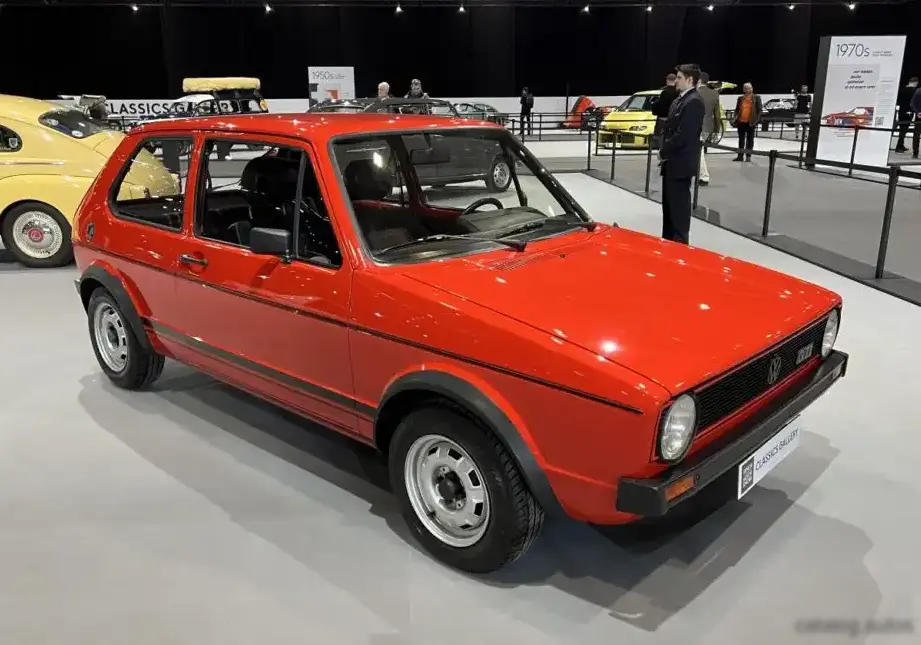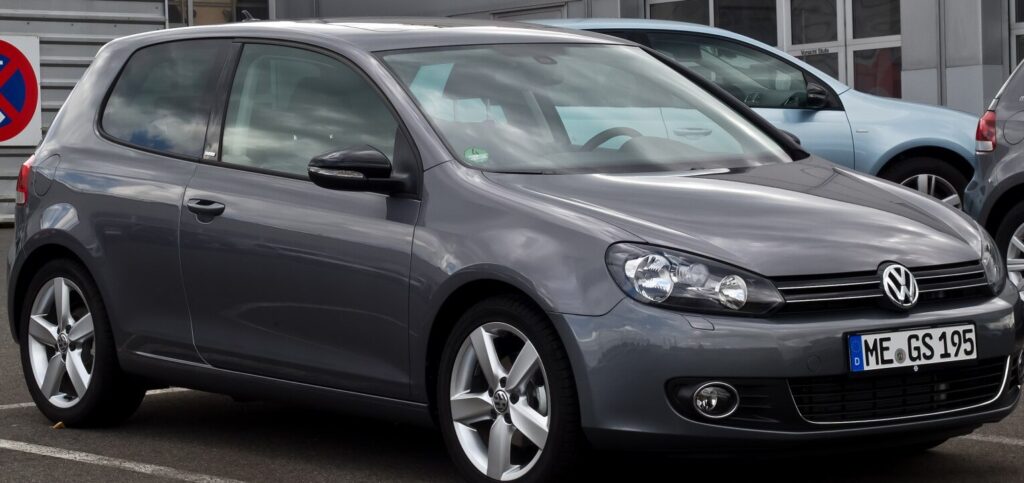
The Volkswagen Golf VI 2.0 FSI (150 hp) 3-door hatchback was a significant offering within the sixth generation of Volkswagen’s iconic Golf model, produced primarily during the 2008 model year. Representing a mid-range option in the Golf VI lineup, it bridged the gap between the more economical base models and the performance-oriented GTI and diesel variants. Built on the A5 (or 1K) platform, the Golf VI continued the Golf’s tradition of providing a practical, well-engineered, and refined driving experience. This particular 2.0 FSI variant aimed to deliver a balance of performance and fuel efficiency, appealing to drivers seeking a more engaging experience than the base engines offered.
The 2.0 FSI Engine and Powertrain
At the heart of the Golf VI 2.0 FSI was the BVX engine code, a 1,984 cc (121.07 cu. in.) inline-four cylinder gasoline engine. This engine utilized direct fuel injection (FSI – Fuel Stratified Injection), a technology that allowed for precise fuel delivery and improved combustion efficiency. The FSI system injected fuel directly into the combustion chamber, rather than into the intake manifold, resulting in increased power output and reduced emissions. The engine featured a double overhead camshaft (DOHC) valvetrain with four valves per cylinder, contributing to its responsive nature. Compression ratio was set at 11.5:1.
The 2.0 FSI produced 150 hp (112 kW) at 6000 rpm and 200 Nm (147.51 lb-ft) of torque at 3500 rpm. While not the most powerful engine in the Golf VI range, it provided a noticeable step up in performance compared to the smaller displacement engines. The engine’s power-to-liter ratio was 75.6 hp/l. The engine required 4.6 liters (4.86 US qt / 4.05 UK qt) of engine oil, specified to Volkswagen standards.
The Golf VI 2.0 FSI was typically paired with a 6-speed manual transmission, although a 6-speed automatic transmission was also available as an option. The manual transmission offered precise shifts and allowed drivers to fully exploit the engine’s power. The automatic transmission, while providing convenience, slightly impacted acceleration times and fuel economy.
Fuel Injection and Valvetrain Details
The FSI system employed high-pressure fuel injection, operating at pressures up to 30 MPa (approximately 4,350 psi). This high pressure ensured that the fuel was atomized into a fine mist, promoting complete combustion. The DOHC valvetrain, coupled with variable valve timing, optimized engine performance across the rev range. The variable valve timing adjusted the opening and closing of the intake and exhaust valves based on engine speed and load, maximizing power and efficiency.
Driving Characteristics
The Golf VI 2.0 FSI offered a refined and enjoyable driving experience. Acceleration from 0 to 100 km/h (0-62 mph) took approximately 8.9 seconds, while 0-60 mph was achieved in around 8.5 seconds. Top speed was electronically limited to 206 km/h (128 mph). The engine delivered a smooth and linear power delivery, making it well-suited for both city driving and highway cruising. The 6-speed manual transmission allowed for precise gear selection, while the optional automatic transmission provided seamless shifts.
Compared to the base 1.4-liter engines, the 2.0 FSI offered significantly more power and torque, resulting in quicker acceleration and improved passing performance. However, it didn’t possess the outright performance of the Golf GTI or the low-end torque of the TDI diesel models. The suspension provided a comfortable ride while maintaining good handling characteristics. The steering was precise and responsive, offering a connected feel to the road.
Equipment and Trim Levels
The Golf VI 2.0 FSI 3-door typically came equipped with a respectable level of standard features. These included air conditioning, power windows, power mirrors, a CD stereo system, and alloy wheels. Safety features such as ABS (Anti-lock Braking System), airbags, and electronic stability control were also standard. Interior upholstery was typically cloth, with optional leather available. Dashboard configuration was typical of the Golf VI, featuring a clean and functional design.
Optional extras included a sunroof, upgraded audio system, navigation system, parking sensors, and sport seats. Higher trim levels offered additional features such as automatic climate control, rain-sensing wipers, and automatic headlights. The 3-door configuration emphasized a sportier aesthetic and was often favored by younger buyers.
Chassis and Braking
The Golf VI 2.0 FSI utilized an independent suspension system on both the front and rear axles. The front suspension employed a McPherson strut design with coil springs and an anti-roll bar, while the rear suspension featured a multi-link setup with a stabilizer bar. This suspension configuration provided a good balance of ride comfort and handling precision. The kerb weight of the vehicle was 1290 kg (2843.96 lbs), with a maximum weight of 1820 kg (4012.41 lbs).
Braking duties were handled by ventilated discs on the front wheels and solid discs on the rear wheels. The ABS system ensured optimal braking performance in various conditions. Electric power steering provided precise and responsive steering feel. The vehicle was equipped with 205/55 R16 tires mounted on 6.5J x 16 alloy wheels.
Market Reception and Comparison
The Golf VI 2.0 FSI was generally well-received by automotive critics. It was praised for its refined engine, comfortable ride, and practical interior. However, some critics noted that the engine lacked the excitement of the GTI and the fuel economy of the TDI models. Compared to other vehicles in its class, such as the Ford Focus and Opel Astra, the Golf VI 2.0 FSI offered a compelling combination of quality, performance, and practicality.
Fuel economy figures were rated at 9.9 l/100 km (23.8 US mpg / 28.5 UK mpg) in urban conditions, 5.6 l/100 km (42 US mpg / 50.4 UK mpg) in extra-urban conditions, and 7.2 l/100 km (32.7 US mpg / 39.2 UK mpg) combined. The vehicle met Euro 4 emission standards.
Technical Specifications
| Brand | Volkswagen |
| Model | Golf |
| Generation | Golf VI (3-door) |
| Type (Engine) | 2.0 FSI (150 Hp) |
| Start of production | 2008 |
| End of production | 2008 |
| Powertrain Architecture | Internal Combustion engine |
| Body type | Hatchback |
| Seats | 5 |
| Doors | 3 |
| Fuel consumption (urban) | 9.9 l/100 km (23.8 US mpg) |
| Fuel consumption (extra urban) | 5.6 l/100 km (42 US mpg) |
| Fuel consumption (combined) | 7.2 l/100 km (32.7 US mpg) |
| Fuel Type | Petrol (Gasoline) |
| Acceleration 0 – 100 km/h | 8.9 sec |
| Acceleration 0 – 62 mph | 8.9 sec |
| Acceleration 0 – 60 mph | 8.5 sec |
| Maximum speed | 206 km/h (128 mph) |
| Emission standard | Euro 4 |
| Weight-to-power ratio | 8.6 kg/Hp |
| Weight-to-torque ratio | 6.5 kg/Nm |
| Power | 150 Hp @ 6000 rpm |
| Torque | 200 Nm @ 3500 rpm (147.51 lb.-ft. @ 3500 rpm) |
| Engine layout | Front, Transverse |
| Engine Model/Code | BVX |
| Engine displacement | 1984 cm3 (121.07 cu. in.) |
| Number of cylinders | 4 |
| Engine configuration | Inline |
| Cylinder Bore | 82.5 mm (3.25 in.) |
| Piston Stroke | 92.8 mm (3.65 in.) |
| Compression ratio | 11.5:1 |
| Number of valves per cylinder | 4 |
| Fuel injection system | Direct injection |
| Engine aspiration | Naturally aspirated engine |
| Valvetrain | DOHC |
| Engine oil capacity | 4.6 l (4.86 US qt | 4.05 UK qt) |
| Kerb Weight | 1290 kg (2843.96 lbs.) |
| Max. weight | 1820 kg (4012.41 lbs.) |
| Max load | 530 kg (1168.45 lbs.) |
| Trunk (boot) space – minimum | 350 l (12.36 cu. ft.) |
| Trunk (boot) space – maximum | 1305 l (46.09 cu. ft.) |
| Fuel tank capacity | 55 l (14.53 US gal | 12.1 UK gal) |
| Length | 4199 mm (165.31 in.) |
| Width | 1779 mm (70.04 in.) |
| Height | 1479 mm (58.23 in.) |
| Wheelbase | 2578 mm (101.5 in.) |
| Front track | 1540 mm (60.63 in.) |
| Rear track | 1513 mm (59.57 in.) |
| Minimum turning circle | 10.9 m (35.76 ft.) |
| Drive wheel | Front wheel drive |
| Number of gears | 6 gears, manual transmission |
| Front suspension | Independent, type McPherson with coil spring and anti-roll bar |
| Rear suspension | Independent multi-link spring suspension with stabilizer |
| Front brakes | Ventilated discs |
| Rear brakes | Disc |
| Assisting systems | ABS (Anti-lock braking system) |
| Power steering | Electric Steering |
| Tires size | 205/55 R16 |
| Wheel rims size | 6.5J x 16 |
Legacy
The Golf VI 2.0 FSI, while not the most sought-after variant today, remains a reliable and capable used car. The 2.0 FSI engine, when properly maintained, is known for its durability. Common issues include carbon buildup on the intake valves, a characteristic of direct injection engines, which can lead to rough idling and reduced performance. Regular oil changes and the use of quality fuel are crucial for maintaining the engine’s health. The 6-speed manual transmission is generally very robust. The Golf VI’s overall build quality and relatively simple mechanical design contribute to its longevity. Today, these models represent an affordable entry point into Volkswagen ownership, offering a blend of practicality, refinement, and driving enjoyment.