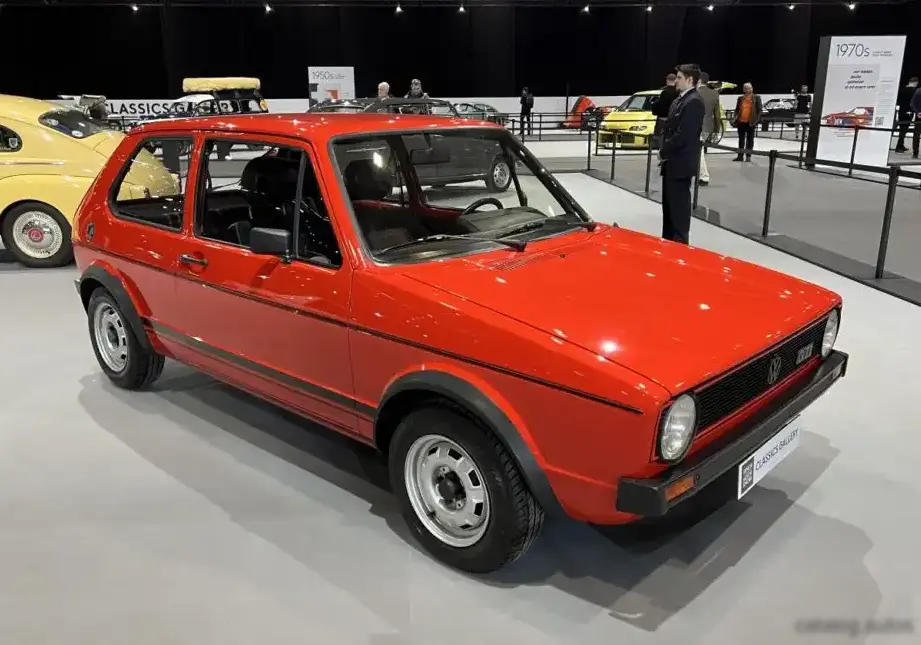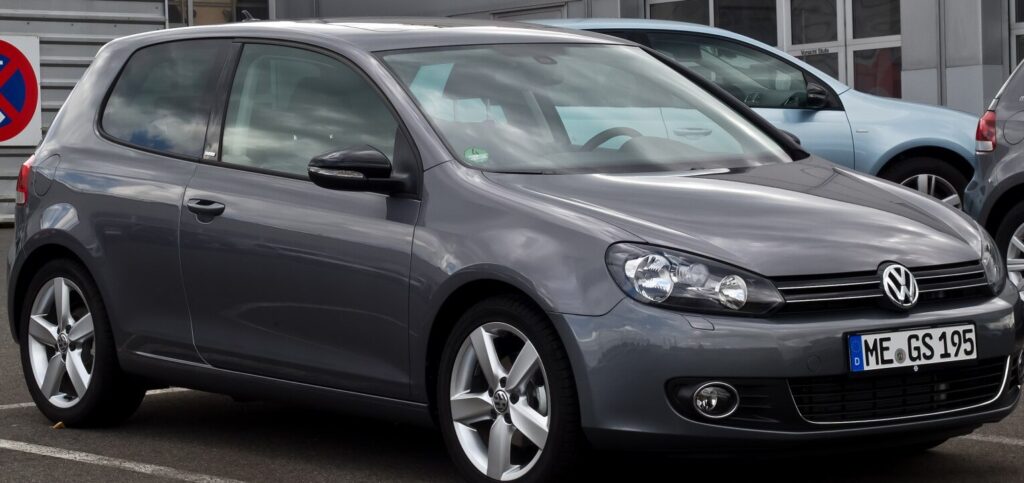
The Volkswagen Golf VI 2.0 FSI Automatic, produced primarily during the 2008 model year, represented a mid-range offering within the sixth generation of Volkswagen’s iconic Golf hatchback. Positioned above the base 1.4-liter models and below the performance-oriented GTI and diesel variants, this 150 horsepower version aimed to provide a balance of fuel efficiency, comfortable driving dynamics, and a more refined experience than its lower-spec siblings. It was offered exclusively as a three-door hatchback in many markets, fitting into the broader 1HX0/A3 platform strategy that underpinned several Volkswagen Group vehicles.
The 2.0 FSI Engine and Automatic Transmission
At the heart of the Golf VI 2.0 FSI Automatic lies the BVX engine code, a 1984cc (121.07 cubic inches) naturally aspirated inline-four cylinder gasoline engine. This engine utilized Volkswagen’s Fuel Stratified Injection (FSI) technology, a direct injection system that allowed for precise fuel delivery and improved combustion efficiency. The FSI system, a key advancement over traditional port fuel injection, contributed to both increased power output and reduced emissions. The engine featured a double overhead camshaft (DOHC) valvetrain with four valves per cylinder, optimizing airflow for enhanced performance. Compression ratio was set at 11.5:1.
Power output was rated at 150 hp (112 kW) at 6000 rpm, with a peak torque of 200 Nm (147.51 lb-ft) available at 3500 rpm. This engine was paired exclusively with a six-speed automatic transmission. This transmission, while offering convenience, was not known for particularly sporty shifts, prioritizing smooth operation and fuel economy over aggressive gear changes. The automatic transmission’s gear ratios were tuned for comfortable cruising and adequate acceleration, rather than maximizing performance. First gear was relatively short for quick take-offs, while higher gears were geared for efficient highway driving.
Powertrain Characteristics and Differences
Compared to the base 1.4-liter engines available in the Golf VI range, the 2.0 FSI offered a significant performance upgrade. The 1.4-liter engines, while more fuel-efficient, lacked the torque and overall responsiveness of the 2.0 FSI. Conversely, the GTI, with its turbocharged engine, provided substantially more power and a sportier driving experience, but at a higher price point and with increased running costs. The 2.0 FSI Automatic filled a niche for buyers seeking a more engaging driving experience than the base models, without the added expense and performance focus of the GTI. The diesel variants, such as the 1.9 TDI and 2.0 TDI, offered superior fuel economy and strong low-end torque, but with a different driving character and potential concerns regarding diesel emissions regulations.
Driving Characteristics
The Golf VI 2.0 FSI Automatic delivered a comfortable and refined driving experience. Acceleration from 0 to 100 km/h (0-62 mph) took approximately 9.5 seconds, while 0-60 mph was achieved in around 9 seconds. Maximum speed was electronically limited to 203 km/h (126.14 mph). The automatic transmission, while smooth, did exhibit some hesitation during quick acceleration, and lacked the responsiveness of a manual gearbox. The engine provided adequate power for everyday driving, including highway cruising and overtaking maneuvers. However, it wasn’t particularly exciting or sporty, focusing more on usability and refinement. The weight-to-power ratio of 8.6 kg/hp meant it wasn’t a particularly nimble vehicle, but the chassis provided a stable and predictable platform.
Equipment & Trim Levels
The standard equipment level for the Golf VI 2.0 FSI Automatic varied depending on the specific market and optional packages selected. Generally, it included features such as air conditioning, power windows, power door locks, a CD stereo system, and alloy wheels. Safety features included ABS (Anti-lock Braking System), airbags, and seatbelt pretensioners. Interior upholstery was typically cloth, although leather options were available as an upgrade. Dashboard configuration was consistent with other Golf VI models, featuring a functional and ergonomic design. Optional extras included a sunroof, upgraded audio system, navigation system, parking sensors, and automatic climate control. Higher trim levels often bundled these options together into convenience packages.
Chassis & Braking
The Golf VI 2.0 FSI Automatic utilized an independent suspension system. The front suspension employed a McPherson strut design with coil springs and an anti-roll bar, while the rear suspension featured a multi-link setup, also with a stabilizer bar. This suspension configuration provided a good balance of ride comfort and handling. Braking duties were handled by ventilated discs at the front and solid discs at the rear. Electric power steering was standard, offering a light and precise steering feel. The vehicle rode on 205/55 R16 tires mounted on 6.5J x 16 alloy wheels. The kerb weight of 1290 kg (2843.96 lbs) influenced the suspension tuning and braking performance.
Market Reception & Comparison
The Golf VI 2.0 FSI Automatic received generally positive reviews from automotive critics. It was praised for its comfortable ride, refined engine, and practical hatchback design. However, some critics noted the automatic transmission’s lack of responsiveness and the engine’s relatively modest power output compared to competitors. Fuel economy was considered reasonable, with combined fuel consumption figures of around 7.9 l/100 km (29.8 US mpg / 35.8 UK mpg). Reliability was generally good, although some owners reported issues with the FSI fuel injection system and the automatic transmission. Compared to the manual transmission versions of the 2.0 FSI, the automatic offered less engaging driving experience but greater convenience. Against rivals like the Ford Focus and Opel Astra, the Golf VI 2.0 FSI Automatic held its own in terms of build quality, refinement, and overall practicality.
Technical Specifications
| Brand | Volkswagen |
| Model | Golf |
| Generation | Golf VI (3-door) |
| Type (Engine) | 2.0 FSI (150 Hp) Automatic |
| Start of production | 2008 |
| End of production | 2008 |
| Engine Model/Code | BVX |
| Engine displacement | 1984 cm3 (121.07 cu. in.) |
| Number of cylinders | 4 |
| Engine configuration | Inline |
| Cylinder Bore | 82.5 mm (3.25 in.) |
| Piston Stroke | 92.8 mm (3.65 in.) |
| Compression ratio | 11.5:1 |
| Power | 150 Hp @ 6000 rpm |
| Torque | 200 Nm @ 3500 rpm (147.51 lb.-ft. @ 3500 rpm) |
| Fuel Type | Petrol (Gasoline) |
| Acceleration 0 – 100 km/h | 9.5 sec |
| Acceleration 0 – 62 mph | 9.5 sec |
| Maximum speed | 203 km/h (126.14 mph) |
| Kerb Weight | 1290 kg (2843.96 lbs.) |
| Max. weight | 1820 kg (4012.41 lbs.) |
| Fuel tank capacity | 55 l (14.53 US gal | 12.1 UK gal) |
| Length | 4199 mm (165.31 in.) |
| Width | 1779 mm (70.04 in.) |
| Height | 1479 mm (58.23 in.) |
| Wheelbase | 2578 mm (101.5 in.) |
| Number of gears and type of gearbox | 6 gears, automatic transmission |
Legacy
The 2.0 FSI engine, while not without its quirks, proved to be a relatively reliable powerplant when properly maintained. The automatic transmission, however, could be prone to issues if not serviced regularly. Today, Golf VI 2.0 FSI Automatic models are relatively affordable on the used car market. They represent a good value for buyers seeking a comfortable, practical, and reasonably fuel-efficient hatchback. However, potential buyers should be aware of the potential for FSI fuel injector issues and ensure the automatic transmission has been serviced according to the manufacturer’s recommendations. The Golf VI 2.0 FSI Automatic remains a popular choice for those seeking a well-rounded and dependable European hatchback.