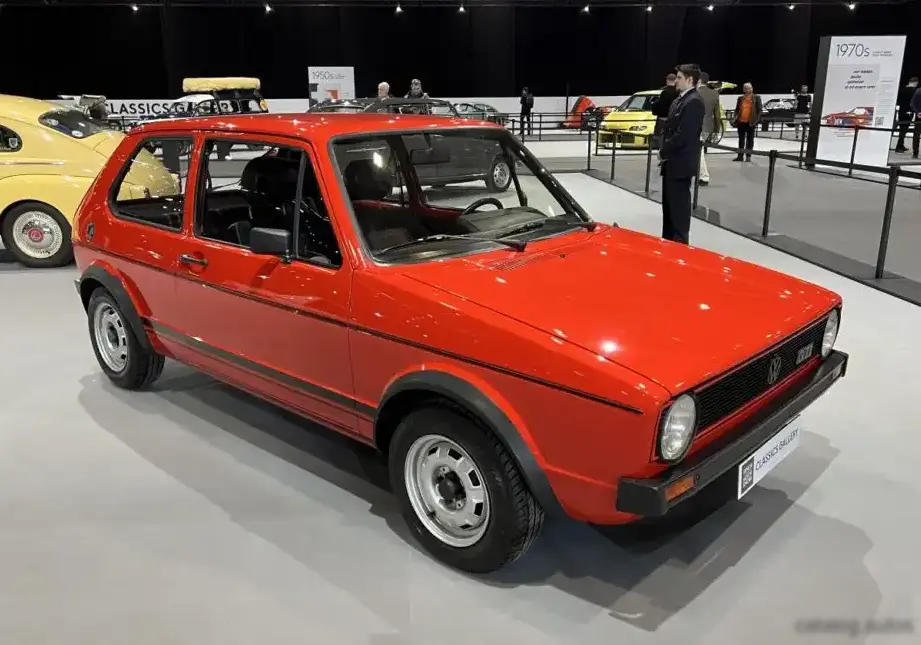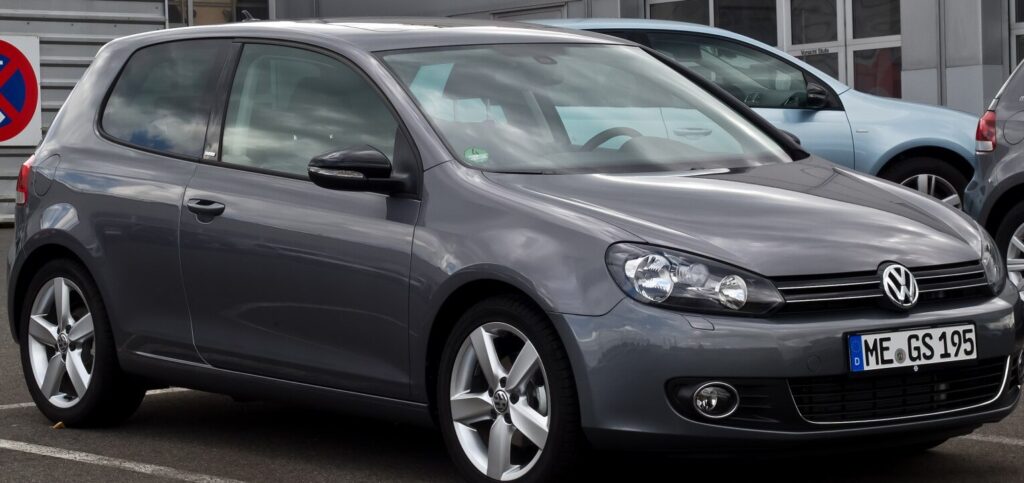
The Volkswagen Golf VI, produced from 2008 to 2013, represented a significant evolution of the iconic Golf lineage. Within the sixth generation, a notable variant was the 3-door hatchback powered by the 2.0 TDI engine producing 110 horsepower. This model was available primarily in Europe and other international markets, and was produced from October 2008 to June 2009. It occupied a mid-range position in the Golf VI lineup, offering a balance between fuel efficiency, practicality, and reasonable performance, appealing to buyers seeking a sensible and economical daily driver. The Golf VI chassis (designated 1K) represented a refinement of the previous generation, focusing on improved build quality and a more sophisticated driving experience.
2.0 TDI (110 Hp) Powertrain & Engine Architecture
The heart of this Golf VI variant is the 2.0-liter four-cylinder diesel engine, specifically utilizing the CBDC or CLCA engine codes. This engine is a turbocharged common rail direct injection diesel, representing a move towards more advanced diesel technology. The 1968 cc engine features an inline configuration with a bore of 81mm and a stroke of 95.5mm, resulting in a compression ratio of 18:1. The engine employs four valves per cylinder, contributing to improved breathing and efficiency. The turbocharger, coupled with an intercooler, forces more air into the cylinders, boosting power output. Fuel is delivered via a common rail diesel injection system, allowing for precise fuel metering and optimized combustion. This system operates at very high pressures to atomize the fuel effectively. The engine produces 110 hp at 4100 rpm and 250 Nm (184.39 lb-ft) of torque at 1750 rpm. The engine oil capacity is 4.3 liters (4.54 US quarts or 3.78 UK quarts), and requires an oil meeting Volkswagen’s specific standards.
Transmission
The 2.0 TDI (110 Hp) Golf VI was typically paired with a 5-speed manual transmission. This gearbox was chosen to complement the engine’s torque characteristics and contribute to fuel efficiency. The gear ratios were optimized for both urban driving and highway cruising. While an automatic transmission (typically a 6-speed DSG dual-clutch transmission) was available as an option on some Golf VI models, it was less common with this specific engine and power output, as the manual transmission was considered a better match for the driving experience and fuel economy expectations of the target buyer.
Driving Characteristics
The 2.0 TDI (110 Hp) Golf VI offered a practical and efficient driving experience. Acceleration from 0 to 100 km/h (0-62 mph) took approximately 10.7 seconds, and 0-60 mph was achieved in around 10.2 seconds. While not a performance-oriented variant, the 250 Nm of torque provided ample pulling power for everyday driving situations, including overtaking and navigating hills. The turbocharger provided a noticeable boost in power, but turbo lag was present, particularly at lower engine speeds. Compared to the more powerful Golf variants, such as those equipped with the 2.0 TDI 170 hp engine or the GTI, this version prioritized fuel economy and refinement over outright speed. The manual transmission offered precise gear changes and a more engaging driving experience than an automatic, while still being easy to operate in city traffic. The suspension setup provided a comfortable ride, absorbing bumps and imperfections in the road surface effectively.
Equipment & Trim Levels
The Golf VI 2.0 TDI (110 Hp) typically came equipped with a reasonable level of standard features. These included power windows, power door locks, air conditioning, a basic audio system (usually with CD player and MP3 compatibility), and ABS brakes. Safety features such as front and side airbags were standard. Interior upholstery was typically cloth, with options for upgraded materials available. The dashboard layout was functional and ergonomically designed, with clear instrumentation. Optional extras included alloy wheels, a more advanced audio system with navigation, parking sensors, and climate control. Trim levels varied depending on the market, but generally followed a progression from basic “Trendline” to more well-equipped “Comfortline” and “Highline” models. The Comfortline trim added features like cruise control and a multi-function steering wheel, while the Highline offered premium upholstery, automatic climate control, and other luxury features.
Chassis & Braking
The Golf VI chassis featured independent suspension on both the front and rear axles. The front suspension utilized a McPherson strut design with coil springs and an anti-roll bar, while the rear suspension employed a multi-link setup, also with a stabilizer bar. This configuration provided a good balance between ride comfort and handling. The front brakes were ventilated discs, offering good stopping power, while the rear brakes were typically solid discs. ABS (Anti-lock Braking System) was standard, enhancing braking performance and stability, particularly in adverse conditions. Electric power steering was also standard, providing a light and responsive steering feel. Tire sizes varied depending on the trim level, with 195/65 R15 and 205/55 R16 being common options. Wheel rim sizes were typically 15 or 16 inches.
Market Reception & Comparison
The Golf VI 2.0 TDI (110 Hp) was generally well-received by automotive critics as a practical and economical choice. It was praised for its fuel efficiency, comfortable ride, and refined interior. However, some critics noted that the engine lacked the outright performance of more powerful Golf variants. Fuel consumption figures were impressive, with combined cycle figures around 4.5 l/100 km (52.3 US mpg or 62.8 UK mpg). Compared to the 1.6 TDI Golf VI, the 2.0 TDI offered more power and torque, but at a slightly higher price point. Compared to the more powerful 2.0 TDI 170 hp version, the 110 hp model was more affordable and fuel-efficient, but offered less performance. The 2.0 TDI (110 Hp) was often seen as a sensible alternative to petrol-powered Golfs, offering lower running costs and a more relaxed driving experience.
Technical Specifications
| Brand | Volkswagen |
| Model | Golf |
| Generation | Golf VI (3-door) |
| Engine Type | 2.0 TDI (110 Hp) |
| Production Years | October 2008 – June 2009 |
| Engine Code | CBDC, CLCA |
| Engine Displacement | 1968 cm3 (120.09 cu. in.) |
| Number of Cylinders | 4 |
| Engine Configuration | Inline |
| Bore x Stroke | 81 mm x 95.5 mm (3.19 in x 3.76 in) |
| Compression Ratio | 18:1 |
| Valves per Cylinder | 4 |
| Fuel Injection System | Diesel Commonrail |
| Engine Aspiration | Turbocharger, Intercooler |
| Power Output | 110 Hp @ 4100 rpm |
| Torque Output | 250 Nm @ 1750 rpm (184.39 lb.-ft. @ 1750 rpm) |
| Fuel Consumption (Urban) | 6 l/100 km (39.2 US mpg, 47.1 UK mpg) |
| Fuel Consumption (Extra Urban) | 3.7 l/100 km (63.6 US mpg, 76.3 UK mpg) |
| Fuel Consumption (Combined) | 4.5 l/100 km (52.3 US mpg, 62.8 UK mpg) |
| Acceleration 0-100 km/h | 10.7 sec |
| Acceleration 0-62 mph | 10.7 sec |
| Maximum Speed | 194 km/h (120.55 mph) |
| Emission Standard | Euro 5 |
| Kerb Weight | 1339 kg (2951.99 lbs) |
| Max. Weight | 1840 kg (4056.51 lbs) |
| Trunk Space (Minimum) | 350 l (12.36 cu. ft.) |
| Trunk Space (Maximum) | 1305 l (46.09 cu. ft.) |
| Fuel Tank Capacity | 55 l (14.53 US gal, 12.1 UK gal) |
| Length | 4199 mm (165.31 in) |
| Width | 1779 mm (70.04 in) |
| Height | 1479 mm (58.23 in) |
Legacy
The 2.0 TDI (110 Hp) powertrain in the Golf VI has proven to be relatively reliable, although, like all diesel engines, it is susceptible to issues related to the diesel particulate filter (DPF) if not properly maintained. Regular servicing and the use of high-quality diesel fuel are crucial for ensuring long-term reliability. On the used car market, these Golfs are generally sought after for their fuel efficiency and practicality. They represent a good value proposition for buyers looking for a reliable and economical hatchback. While not as desirable as the more powerful GTI models, the 2.0 TDI (110 Hp) Golf VI remains a popular choice for those prioritizing running costs and everyday usability. The engine’s robust design and relatively simple technology contribute to its longevity, making it a viable option for years to come.