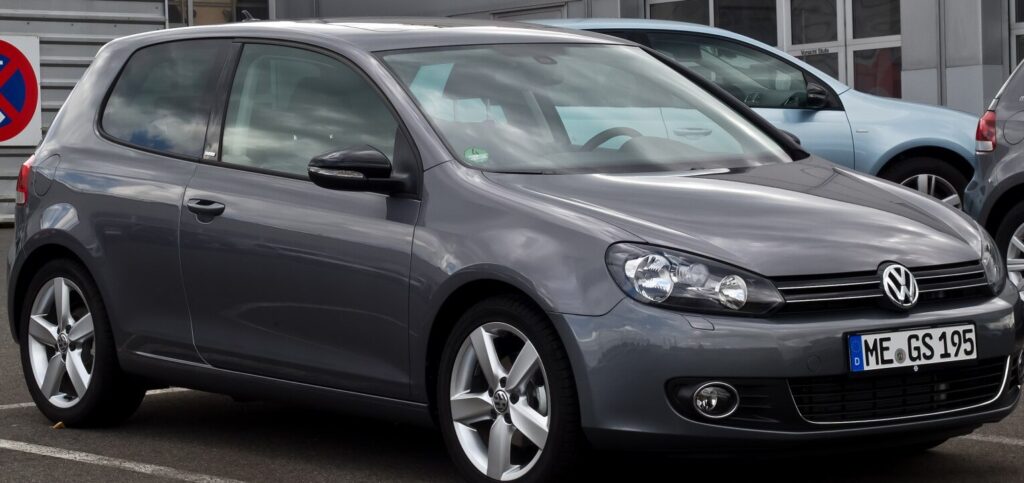
The Volkswagen Golf VI, produced from 2008 to 2012, represented a significant evolution of the iconic Golf lineage. Within the sixth generation, a popular configuration was the 3-door hatchback powered by the 2.0 TDI engine producing 140 horsepower, coupled with a Direct-Shift Gearbox (DSG) automatic transmission. This variant occupied a mid-range position in the Golf VI lineup, offering a balance between performance, fuel efficiency, and practicality, appealing to buyers seeking a refined driving experience without the higher cost of the range-topping models.
Volkswagen Golf VI 3-Door 2.0 TDI (140 Hp) DSG: An Overview
The Golf VI, internally designated the 1K platform, continued Volkswagen’s tradition of offering a versatile and well-engineered compact car. The 2.0 TDI DSG model was introduced in October 2008 and remained in production until 2012. It aimed to provide a more economical and sophisticated alternative to the gasoline-powered Golfs, while offering a more convenient automatic transmission option compared to the standard manual gearboxes. This model was particularly popular in European markets where diesel engines held a significant market share.
Powertrain & Engine Architecture
At the heart of the Golf VI 2.0 TDI DSG lies the Volkswagen Group’s common rail diesel engine. The engine codes commonly associated with this variant are CBAB and CFFB. This 1968cc (120.09 cubic inches) inline-four cylinder engine utilizes a turbocharger with an intercooler to boost power and efficiency. The engine features four valves per cylinder and a sophisticated common rail direct fuel injection system, operating at a high compression ratio of 18.5:1. This system allows for precise fuel delivery, optimizing combustion and reducing emissions. The 2.0 TDI engine delivers a maximum power output of 140 hp (103 kW) at 4000 rpm and a substantial 320 Nm (236.02 lb-ft) of torque at 1750 rpm.
The Direct-Shift Gearbox (DSG), a seven-speed dual-clutch transmission, is a key component of this variant. The DSG offers both fully automatic operation and the ability for the driver to manually shift gears via the gear selector or steering wheel-mounted paddles. This transmission provides quick, smooth gear changes and contributes to improved fuel economy compared to traditional automatic transmissions. The DSG’s programming is tuned to balance performance and efficiency, offering responsive acceleration while maintaining optimal engine speed for fuel conservation.
Driving Characteristics
The Golf VI 2.0 TDI DSG delivers a refined and comfortable driving experience. The 320 Nm of torque available from low engine speeds provides strong acceleration in everyday driving situations. The 0-100 km/h (0-62 mph) sprint takes approximately 9.7 seconds, while the 0-60 mph time is calculated at 9.2 seconds. The maximum speed is rated at 209 km/h (129.87 mph). The DSG transmission contributes to seamless acceleration, eliminating the torque interruption often associated with traditional automatic gearboxes. While not as overtly sporty as the GTI or R models, the 2.0 TDI DSG offers ample power for confident overtaking and highway cruising. Compared to the 1.6 TDI models, the 2.0 TDI provides noticeably more power and torque, resulting in a more relaxed and capable driving experience. The DSG transmission also offers a sport mode for more aggressive shifting and enhanced engine responsiveness.
Equipment & Trim Levels
The Golf VI 2.0 TDI DSG typically came equipped with a respectable level of standard features. Depending on the specific market and optional packages selected, standard equipment often included air conditioning, power windows, power mirrors, a CD/MP3 stereo system, and alloy wheels. Safety features such as ABS (Anti-lock Braking System), electronic stability control, and multiple airbags were also standard. Interior upholstery was typically cloth, although leather options were available. Higher trim levels offered features such as automatic climate control, a touchscreen infotainment system, parking sensors, and upgraded interior trim. Optional extras included a panoramic sunroof, navigation system, and sports seats.
Chassis & Braking
The Golf VI 2.0 TDI DSG utilizes an independent suspension system on both the front and rear axles. The front suspension employs a McPherson strut design with coil springs and an anti-roll bar, while the rear suspension features a multi-link setup, also with a stabilizer bar. This suspension configuration provides a good balance between ride comfort and handling precision. The braking system consists of ventilated discs on the front wheels and solid discs on the rear wheels. Electric power steering provides precise and responsive steering feel. The 205/55 R16 tires mounted on 6.5J x 16 alloy wheels contribute to good grip and handling characteristics.
Market Reception & Comparison
The Golf VI 2.0 TDI DSG was generally well-received by automotive critics. It was praised for its fuel efficiency, comfortable ride, and refined driving experience. Fuel consumption figures were impressive, with combined cycle figures averaging around 4.9 l/100 km (48 US mpg or 57.6 UK mpg). Compared to the lower-powered 1.6 TDI models, the 2.0 TDI offered a significant performance upgrade without a substantial penalty in fuel economy. The DSG transmission was also lauded for its smooth and quick gear changes. However, some critics noted that the 2.0 TDI DSG was not as engaging to drive as the manual transmission versions or the more powerful GTI models. Reliability was generally good, although some owners reported issues with the DSG transmission, particularly early units.
Technical Specifications
| Engine Type | Inline-4, Turbocharged Diesel |
| Engine Displacement | 1968 cm³ (120.09 cu in) |
| Engine Code | CBAB, CFFB |
| Power Output | 140 hp (103 kW) @ 4000 rpm |
| Torque Output | 320 Nm (236.02 lb-ft) @ 1750 rpm |
| Fuel Injection | Common Rail Direct Injection |
| Compression Ratio | 18.5:1 |
| Transmission | 7-speed DSG (Dual-Clutch) |
| Drive Type | Front-Wheel Drive |
| 0-100 km/h (0-62 mph) | 9.7 seconds |
| Top Speed | 209 km/h (129.87 mph) |
| Fuel Consumption (Urban) | 6.4 l/100 km (36.8 US mpg) |
| Fuel Consumption (Extra Urban) | 4.0 l/100 km (58.8 US mpg) |
| Fuel Consumption (Combined) | 4.9 l/100 km (48 US mpg) |
| Kerb Weight | 1374 kg (3029.15 lbs) |
| Fuel Tank Capacity | 55 liters (14.53 US gal) |
| Trunk Space (Minimum) | 350 liters (12.36 cu ft) |
| Trunk Space (Maximum) | 1305 liters (46.09 cu ft) |
Legacy
The Golf VI 2.0 TDI DSG powertrain has proven to be relatively durable, although preventative maintenance is crucial, particularly regarding the DSG transmission. Regular DSG fluid changes are essential to ensure long-term reliability. In the used car market, these models remain popular due to their blend of fuel efficiency, practicality, and driving comfort. However, potential buyers should be aware of the potential for DSG transmission issues and ensure a thorough inspection is conducted before purchase. The 2.0 TDI engine, in general, is considered a robust and reliable unit when properly maintained. The Golf VI 2.0 TDI DSG continues to be a viable option for buyers seeking a well-rounded and economical compact car.