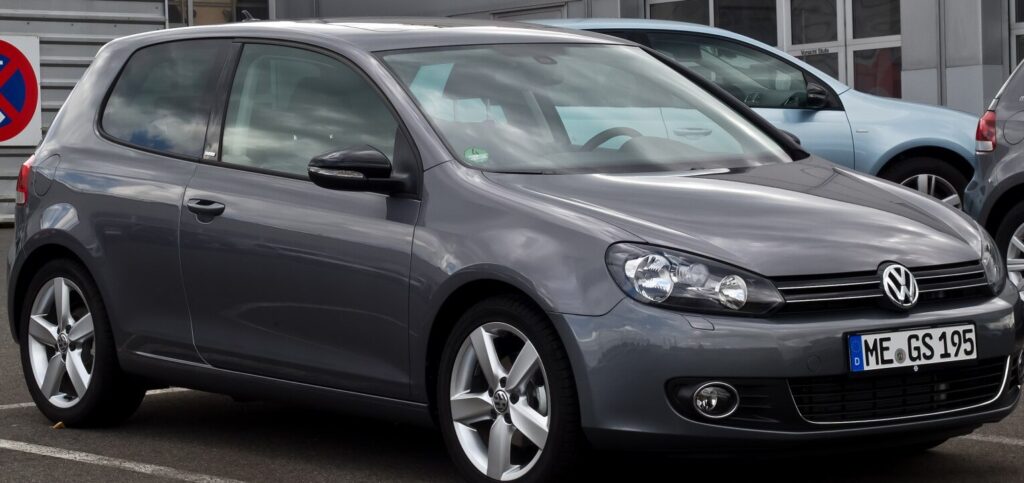
The Volkswagen Golf VI, produced from 2008 to 2012, represented a significant evolution of the iconic Golf lineage. While numerous engine and trim configurations were available, the 2.0 TSI 200 horsepower variant, typically offered in a 3-door hatchback body style, occupied a performance-oriented niche within the range. This model aimed to deliver a more engaging driving experience than the base models, bridging the gap between the more economical engines and the full-fledged performance of the Golf GTI. It was positioned as a premium offering, appealing to drivers seeking a blend of practicality, style, and spirited performance.
The 2.0 TSI Engine: A Detailed Overview
The heart of this Golf VI variant is the 2.0-liter turbocharged direct-injection (TSI) engine, specifically the CBFA engine code. This engine was a key component of Volkswagen’s efforts to improve fuel efficiency and performance simultaneously. The CBFA engine utilizes a direct fuel injection system, injecting fuel directly into the combustion chamber, allowing for more precise fuel control and increased efficiency. This contrasts with older port fuel injection systems where fuel is injected into the intake manifold. The engine also features a sophisticated turbocharger and intercooler setup, boosting power output significantly. The TSI engine employs a double overhead camshaft (DOHC) valvetrain with four valves per cylinder, optimizing airflow for improved performance across the rev range.
Powertrain Architecture and Fuel Injection
The 2.0 TSI engine is transversely mounted in the front of the vehicle, driving the front wheels. The direct injection system is a key element, utilizing high-pressure fuel injectors and a sophisticated engine control unit (ECU) to manage fuel delivery. The ECU constantly monitors various engine parameters, such as engine speed, throttle position, and exhaust gas composition, to optimize fuel injection timing and quantity. This results in improved fuel economy, reduced emissions, and enhanced performance. The engine’s compression ratio of 10.3:1 is a balance between efficiency and performance, allowing for optimal combustion under various driving conditions.
Driving Characteristics and Performance
The 200 horsepower and 280 Nm (206.52 lb-ft) of torque produced by the 2.0 TSI engine translate into brisk acceleration. Officially, the 0-100 km/h (0-62 mph) sprint takes 7.2 seconds, with some tests indicating a 0-60 mph time of around 6.8 seconds. In real-world driving, the engine feels responsive and provides ample power for overtaking and highway cruising. The turbocharger provides a noticeable boost in power from around 1800 rpm, delivering strong acceleration throughout the mid-range. While not as aggressively tuned as the Golf GTI, the 2.0 TSI offers a satisfying level of performance for everyday driving. The 6-speed manual transmission, standard on this model, provides precise gear changes and allows the driver to fully exploit the engine’s power. The gear ratios are well-matched to the engine’s torque curve, ensuring optimal acceleration in all gears.
Equipment and Trim Levels
The 2.0 TSI 3-door Golf VI typically came with a relatively high level of standard equipment. Interior features generally included comfortable sport seats, a leather-wrapped steering wheel, and air conditioning. Depending on the specific market and optional packages selected, features like a touchscreen infotainment system, automatic climate control, and parking sensors could be added. Upholstery options typically included cloth or partial leather. The dashboard layout was functional and modern, with a focus on ergonomics. Optional extras included a panoramic sunroof, upgraded audio systems, and alloy wheels of various designs. The trim level often dictated the exterior styling details, such as chrome accents and body-colored bumpers.
Chassis and Braking
The Golf VI 2.0 TSI utilized an independent suspension system on both the front and rear axles. The front suspension employed a McPherson strut design with coil springs and an anti-roll bar, while the rear suspension featured a multi-link setup, also with a stabilizer bar. This suspension configuration provided a good balance between ride comfort and handling. The braking system consisted of ventilated discs on the front wheels and solid discs on the rear. Anti-lock braking system (ABS) was standard, enhancing safety and control during emergency braking. Electric power steering provided precise and responsive steering feel. The standard tire size was 205/55 R16, mounted on 6.5J x 16 alloy wheels.
Market Reception and Comparison
The 2.0 TSI Golf VI was generally well-received by automotive critics. It was praised for its strong performance, refined handling, and relatively good fuel economy. Compared to the base models with smaller engines, the 2.0 TSI offered a significant improvement in acceleration and overall driving experience. However, it was also noted that the 2.0 TSI was more expensive than the entry-level models. In comparison to the Golf GTI, the 2.0 TSI offered a slightly more subdued driving experience, prioritizing comfort and refinement over outright performance. Fuel economy figures were respectable, with combined fuel consumption rated at 7.9 l/100 km (29.8 US mpg, 35.8 UK mpg). Reliability was generally good, although some owners reported issues with the turbocharger and direct injection system over the long term.
Technical Specifications
| Brand | Volkswagen |
| Model | Golf |
| Generation | Golf VI (3-door) |
| Type (Engine) | 2.0 TSI (200 Hp) |
| Start of production | 2008 |
| End of production | 2012 |
| Powertrain Architecture | Internal Combustion engine |
| Body type | Hatchback |
| Seats | 5 |
| Doors | 3 |
| Fuel consumption (urban) | 10.7 l/100 km (22 US mpg, 26.4 UK mpg) |
| Fuel consumption (extra urban) | 6.2 l/100 km (37.9 US mpg, 45.6 UK mpg) |
| Fuel consumption (combined) | 7.9 l/100 km (29.8 US mpg, 35.8 UK mpg) |
| Fuel Type | Petrol (Gasoline) |
| Acceleration 0 – 100 km/h | 7.2 sec |
| Acceleration 0 – 62 mph | 7.2 sec |
| Acceleration 0 – 60 mph | 6.8 sec |
| Maximum speed | 235 km/h (146.02 mph) |
| Emission standard | Euro 4 |
| Weight-to-power ratio | 6.5 kg/Hp |
| Weight-to-torque ratio | 4.6 kg/Nm |
| Power | 200 Hp @ 5100 rpm |
| Torque | 280 Nm @ 1800 rpm (206.52 lb.-ft. @ 1800 rpm) |
| Engine layout | Front, Transverse |
| Engine Model/Code | CBFA |
| Engine displacement | 1984 cm3 (121.07 cu. in.) |
| Number of cylinders | 4 |
| Engine configuration | Inline |
| Cylinder Bore | 82.5 mm (3.25 in.) |
| Piston Stroke | 92.8 mm (3.65 in.) |
| Compression ratio | 10.3:1 |
| Number of valves per cylinder | 4 |
| Fuel injection system | Direct injection |
| Engine aspiration | Turbocharger, Intercooler |
| Valvetrain | DOHC |
| Engine oil capacity | 4.7 l (4.97 US qt | 4.14 UK qt) |
| Kerb Weight | 1290 kg (2843.96 lbs.) |
| Max. weight | 1820 kg (4012.41 lbs.) |
| Max load | 530 kg (1168.45 lbs.) |
| Trunk (boot) space – minimum | 350 l (12.36 cu. ft.) |
| Trunk (boot) space – maximum | 1305 l (46.09 cu. ft.) |
| Fuel tank capacity | 55 l (14.53 US gal | 12.1 UK gal) |
| Length | 4199 mm (165.31 in.) |
| Width | 1779 mm (70.04 in.) |
| Height | 1479 mm (58.23 in.) |
| Wheelbase | 2578 mm (101.5 in.) |
| Number of gears and type of gearbox | 6 gears, manual transmission |
Legacy
The 2.0 TSI engine in the Golf VI proved to be a reliable and capable powerplant. While some early examples experienced issues with the high-pressure fuel pump and turbocharger, these were largely addressed with updated components. Today, well-maintained examples of the Golf VI 2.0 TSI can still provide years of reliable service. On the used car market, these models are often sought after by enthusiasts who appreciate their blend of performance, practicality, and relatively affordable price. The engine’s robust design and readily available parts supply contribute to its continued popularity among both owners and mechanics. The 2.0 TSI engine laid the groundwork for future generations of Volkswagen’s turbocharged engines, cementing its place as a significant milestone in the company’s powertrain development.