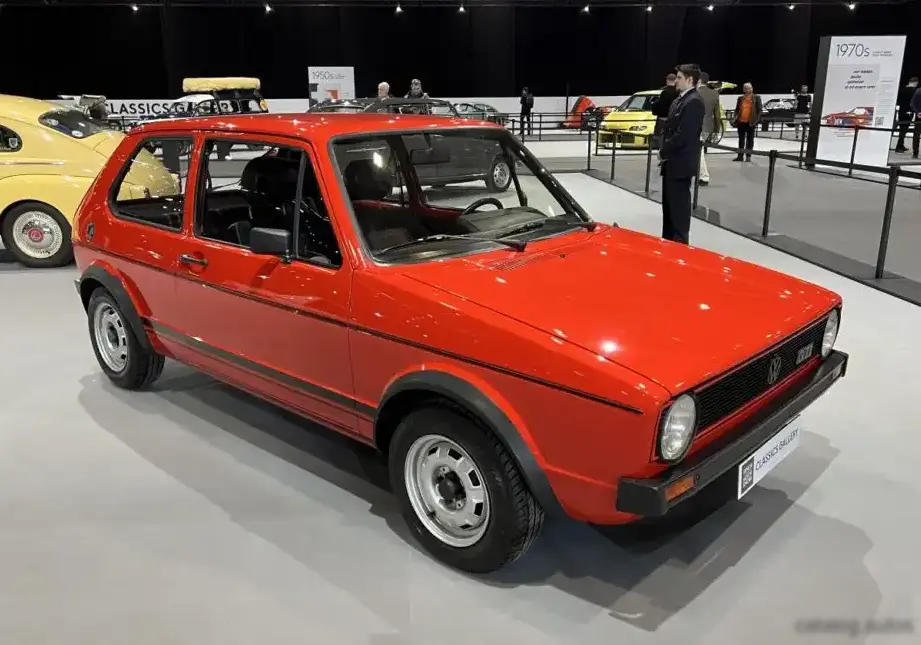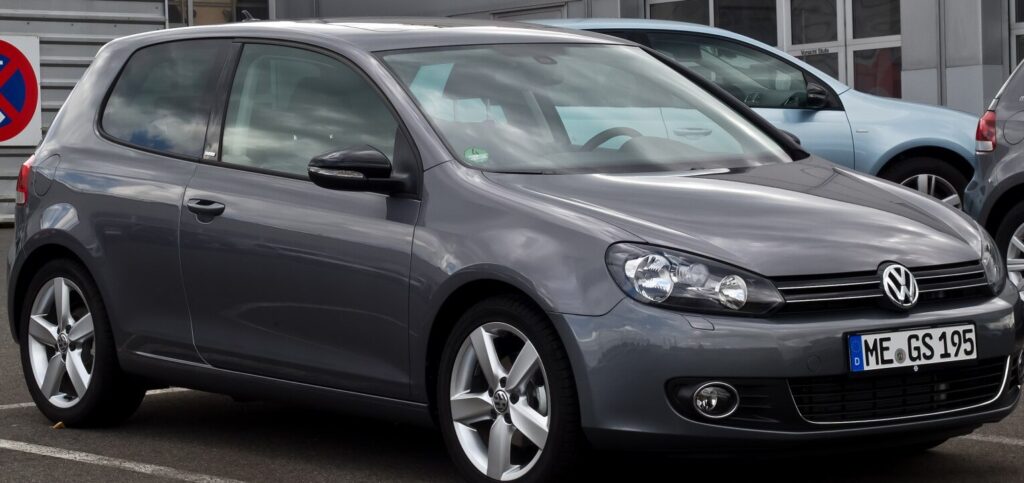
The Volkswagen Golf VI GTI 2.0 TSI (210 hp) was a performance-oriented variant of the sixth-generation Golf, produced from March 2009 to 2012. Positioned as the flagship model within the Golf VI range, it offered a significant step up in performance and features compared to the standard Golf trims. This three-door hatchback was part of the broader Golf VI lineup (internal code 1K), which itself was based on the A5 platform shared with other Volkswagen Group vehicles like the Audi A3 and SEAT Leon. The GTI represented a return to the hot hatch roots that had made the Golf GTI a legendary nameplate, blending everyday usability with engaging driving dynamics.
Powertrain & Engine Architecture
At the heart of the Golf VI GTI lay the CCZB engine code, a 2.0-liter turbocharged inline-four cylinder gasoline engine. This engine represented a significant evolution of Volkswagen’s TSI (Turbocharged Stratified Injection) technology. It featured direct fuel injection, delivering fuel directly into the combustion chamber at high pressure for improved efficiency and power. The CCZB engine utilized a single turbocharger with an intercooler to manage intake air temperature, maximizing power output. The valvetrain employed four valves per cylinder, contributing to the engine’s responsive nature.
The engine produced 210 horsepower at 6200 rpm and 280 Nm (206.52 lb-ft) of torque available from 1800 rpm. This torque curve provided strong acceleration across a wide range of engine speeds. The engine’s internal components were strengthened compared to the standard 2.0 TSI engines to handle the increased power output. The engine oil capacity was 4.7 liters (4.97 US quarts / 4.14 UK quarts) and required a specification adhering to Volkswagen’s standards.
Transmission
The Golf VI GTI was primarily equipped with a 6-speed manual transmission. This gearbox was designed to handle the engine’s torque output and provided precise shift engagement. While the manual was the standard offering, a 6-speed DSG (Direct-Shift Gearbox) dual-clutch automatic transmission was also available as an option. The DSG offered faster shift times and a more seamless driving experience, further enhancing the GTI’s performance credentials. The DSG transmission featured paddle shifters for manual control, allowing drivers to select gears at will.
Driving Characteristics
The Golf VI GTI 2.0 TSI delivered a noticeably more engaging driving experience than lower-powered Golf variants. The 210 hp engine provided brisk acceleration, achieving 0-62 mph (0-100 km/h) in approximately 6.9 seconds and a top speed of 149.13 mph (240 km/h). The turbocharger provided a noticeable boost in power, contributing to strong mid-range acceleration. The manual transmission offered a direct connection to the engine, while the DSG provided quick and smooth gear changes.
The GTI’s suspension was tuned for a balance between comfort and handling. It offered a more controlled and responsive feel compared to the standard Golf, allowing for confident cornering. The steering was precise and well-weighted, providing good feedback to the driver. The GTI’s overall driving experience was characterized by its agility, responsiveness, and refined power delivery.
Equipment & Trim Levels
The Golf VI GTI came standard with a comprehensive list of features. Interior appointments included sport seats upholstered in the classic GTI tartan fabric, a leather-wrapped steering wheel, and aluminum pedal caps. The dashboard featured unique GTI-specific trim elements. Standard equipment also included air conditioning, a CD stereo system, and alloy wheels.
Optional extras included a sunroof, navigation system, upgraded audio system, and bi-xenon headlights. The GTI also offered a range of customization options, allowing buyers to personalize their vehicle. The available options allowed buyers to tailor the GTI to their specific preferences, enhancing both comfort and convenience.
Chassis & Braking
The Golf VI GTI featured an independent suspension system on both the front and rear axles. The front suspension utilized a McPherson strut design with coil springs and an anti-roll bar, while the rear suspension employed a multi-link setup with a stabilizer bar. This suspension configuration provided a good balance between ride comfort and handling precision.
The braking system consisted of ventilated disc brakes on all four wheels. The GTI also included ABS (Anti-lock Braking System) as standard equipment, enhancing braking performance and safety. The GTI’s braking system was designed to handle the increased performance capabilities of the vehicle, providing confident stopping power.
Market Reception & Comparison
The Golf VI GTI was widely praised by automotive critics for its performance, handling, and overall refinement. It was often compared favorably to other hot hatches, such as the Ford Focus ST and the Renault Mégane RS. Critics noted the GTI’s strong engine, precise handling, and comfortable ride.
Compared to the standard Golf models, the GTI offered significantly improved performance and a more engaging driving experience. Compared to the Golf R (a higher-performance variant), the GTI offered a more accessible price point and a slightly more comfortable ride. Fuel economy was rated at 7.3 l/100 km (32.2 US mpg / 38.7 UK mpg), which was respectable for a performance hatchback. Reliability was generally good, although some owners reported issues with the turbocharger and DSG transmission.
Technical Specifications
| Brand | Volkswagen |
| Model | Golf |
| Generation | Golf VI (3-door) |
| Type (Engine) | GTI 2.0 TSI (210 Hp) |
| Start of production | March, 2009 |
| End of production | 2012 |
| Fuel consumption (urban) | 10 l/100 km (23.5 US mpg / 28.2 UK mpg) |
| Fuel consumption (extra urban) | 5.8 l/100 km (40.6 US mpg / 48.7 UK mpg) |
| Fuel consumption (combined) | 7.3 l/100 km (32.2 US mpg / 38.7 UK mpg) |
| Fuel Type | Petrol (Gasoline) |
| Acceleration 0 – 100 km/h | 6.9 sec |
| Acceleration 0 – 62 mph | 6.9 sec |
| Acceleration 0 – 60 mph | 6.6 sec |
| Maximum speed | 240 km/h (149.13 mph) |
| Emission standard | Euro 5 |
| Weight-to-power ratio | 6.3 kg/Hp |
| Weight-to-torque ratio | 4.7 kg/Nm |
| Power | 210 Hp @ 6200 rpm |
| Torque | 280 Nm @ 1800 rpm (206.52 lb.-ft. @ 1800 rpm) |
| Engine layout | Front, Transverse |
| Engine Model/Code | CCZB |
| Engine displacement | 1984 cm3 (121.07 cu. in.) |
| Number of cylinders | 4 |
| Engine configuration | Inline |
| Cylinder Bore | 82.5 mm (3.25 in.) |
| Piston Stroke | 92.8 mm (3.65 in.) |
| Compression ratio | 10.5:1 |
| Number of valves per cylinder | 4 |
| Fuel injection system | Direct injection |
| Engine aspiration | Turbocharger, Intercooler |
| Engine oil capacity | 4.7 l (4.97 US qt | 4.14 UK qt) |
| Kerb Weight | 1318 kg (2905.69 lbs.) |
| Max. weight | 1870 kg (4122.64 lbs.) |
| Max load | 552 kg (1216.95 lbs.) |
| Trunk (boot) space – minimum | 350 l (12.36 cu. ft.) |
| Trunk (boot) space – maximum | 1305 l (46.09 cu. ft.) |
| Fuel tank capacity | 55 l (14.53 US gal | 12.1 UK gal) |
| Length | 4213 mm (165.87 in.) |
| Width | 1786 mm (70.31 in.) |
| Height | 1407 mm (55.39 in.) |
| Wheelbase | 2578 mm (101.5 in.) |
| Tires size | 225/45 R17 |
| Number of gears and type of gearbox | 6 gears, manual transmission |
Legacy
The Golf VI GTI 2.0 TSI remains a popular choice in the used car market. Its combination of performance, practicality, and reliability has ensured its continued appeal. While some maintenance items, such as the timing chain and turbocharger, may require attention on higher-mileage examples, the GTI is generally considered a well-built and durable vehicle. The CCZB engine, while capable of high performance, is generally regarded as robust when properly maintained. The Golf VI GTI cemented the GTI’s reputation as a benchmark hot hatch, continuing a legacy of performance and driving enjoyment that dates back to the original Golf GTI of the 1970s.