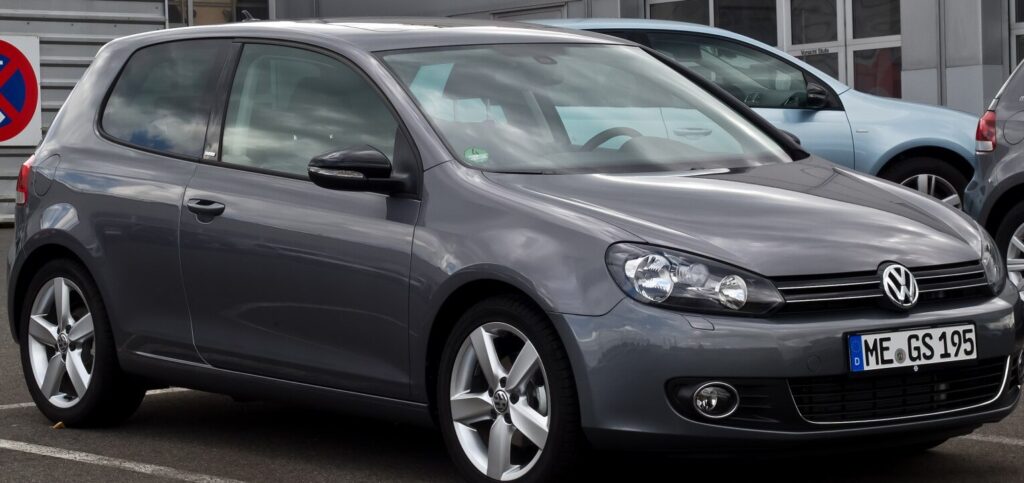
The Volkswagen Golf VI GTI 2.0 TSI (210 hp) DSG, produced from March 2009 to 2012, represents a significant iteration of Volkswagen’s iconic hot hatchback. Positioned as the performance flagship within the Golf VI range, it offered a substantial upgrade over the standard Golf models, bridging the gap between everyday usability and engaging driving dynamics. This three-door hatchback was part of the A5 platform generation (internally designated the 1K chassis), and the GTI variant specifically targeted enthusiasts seeking a sporty and refined driving experience. The introduction of the 2.0 TSI engine with direct injection and a dual-clutch gearbox (DSG) marked a technological leap forward for the Golf GTI, solidifying its reputation as a benchmark in the compact performance segment.
Powertrain & Engine Architecture
At the heart of the Golf VI GTI lies the 2.0-liter turbocharged four-cylinder engine, specifically the CCZB engine code. This engine is a member of the EA888 family, known for its robust construction and tuning potential. The CCZB featured direct fuel injection (FSI – Fuel Stratified Injection), delivering fuel directly into the combustion chamber for improved efficiency and power output. The engine utilizes a single turbocharger with an intercooler to manage intake air temperature, maximizing power and minimizing knock. The valvetrain employs four valves per cylinder, operated by a dual overhead camshaft (DOHC) configuration, contributing to the engine’s responsive nature.
The 210 horsepower and 280 Nm (206.52 lb-ft) of torque are delivered at 6200 rpm and 1800 rpm respectively. The engine’s power delivery is characterized by a broad torque curve, providing strong acceleration throughout the rev range. Paired with the engine is the 6-speed DSG (Direct-Shift Gearbox), a dual-clutch transmission that offers both the convenience of an automatic and the performance of a manual. The DSG features paddle shifters, allowing for manual gear selection when desired. The transmission’s quick and precise shifts contribute significantly to the GTI’s overall performance.
Fuel Injection and Turbocharging
The direct injection system in the CCZB engine is crucial to its performance. By injecting fuel directly into the cylinder, the engine can operate at higher compression ratios, improving thermal efficiency and power output. The turbocharger, a K04 unit, provides significant boost, enhancing the engine’s power and torque. The intercooler cools the compressed air, further increasing density and reducing the risk of detonation. The engine management system carefully controls fuel delivery, ignition timing, and turbocharger boost to optimize performance and emissions.
Driving Characteristics
The Golf VI GTI 2.0 TSI DSG delivers a compelling driving experience. Acceleration from 0 to 100 km/h (0-62 mph) takes approximately 6.9 seconds, and 0-60 mph is achieved in around 6.6 seconds. The DSG transmission plays a vital role in these figures, providing rapid and seamless gear changes. Compared to the standard Golf models, the GTI offers significantly more responsive acceleration and a more engaging driving feel. While not as raw or visceral as some of its competitors, the GTI strikes a balance between performance and everyday usability. Compared to the later Golf GTI models with higher horsepower outputs, the 210 hp version feels more accessible and less prone to torque steer. The suspension is tuned for a sporty ride, offering good body control and minimal roll in corners. The steering is precise and well-weighted, providing good feedback to the driver.
Equipment & Trim Levels
The GTI trim level was well-equipped, even by 2009 standards. Standard features included sport seats upholstered in the classic GTI plaid fabric, a leather-wrapped steering wheel, air conditioning, a CD stereo system with MP3 compatibility, and alloy wheels. The interior featured unique GTI-specific trim elements, such as red stitching and aluminum pedals. Optional extras included a sunroof, navigation system, upgraded audio system, and parking sensors. The three-door configuration emphasized the GTI’s sporty character, although a five-door version was also available. The dashboard layout was typical of the Golf VI, with a clear and functional design. The GTI also featured unique front and rear bumpers, side skirts, and a rear spoiler, visually differentiating it from other Golf models.
Chassis & Braking
The Golf VI GTI utilizes an independent suspension system on both the front and rear axles. The front suspension employs a McPherson strut design with coil springs and an anti-roll bar, while the rear suspension features a multi-link setup, also with coil springs and a stabilizer bar. This suspension configuration provides a good balance between ride comfort and handling performance. The braking system consists of ventilated disc brakes on all four wheels, providing ample stopping power. Anti-lock Braking System (ABS) is standard, enhancing safety and control during emergency braking situations. The GTI’s chassis is reinforced compared to the standard Golf models, improving rigidity and handling precision.
Market Reception & Comparison
The Golf VI GTI 2.0 TSI DSG was generally well-received by automotive critics. It was praised for its blend of performance, practicality, and refinement. Reviewers noted the engine’s strong power delivery, the DSG transmission’s responsiveness, and the GTI’s well-balanced handling. Fuel economy was also considered to be respectable for a performance car, with combined fuel consumption figures around 7.4 l/100 km (31.8 US mpg). Compared to other hot hatchbacks of the time, such as the Ford Focus ST and the Renault Mégane RS, the GTI was often seen as a more mature and refined option. While not as overtly aggressive as some of its rivals, the GTI offered a more comfortable ride and a more user-friendly driving experience. Reliability was generally good, although some owners reported issues with the DSG transmission, particularly early units.
Technical Specifications
| Engine Model/Code | CCZB |
| Engine Displacement | 1984 cm3 (121.07 cu. in.) |
| Number of Cylinders | 4, Inline |
| Power | 210 Hp @ 6200 rpm |
| Torque | 280 Nm (206.52 lb.-ft.) @ 1800 rpm |
| Fuel Injection System | Direct Injection |
| Turbocharger | K04 |
| Compression Ratio | 10.5:1 |
| Transmission | 6-speed DSG |
| Drive Wheels | Front Wheel Drive |
| Kerb Weight | 1339 kg (2951.99 lbs.) |
| Maximum Speed | 235 km/h (146.02 mph) |
| 0-100 km/h | 6.9 sec |
| Fuel Consumption (Combined) | 7.4 l/100 km (31.8 US mpg) |
| Fuel Tank Capacity | 55 l (14.53 US gal) |
| Length | 4213 mm (165.87 in.) |
| Width | 1786 mm (70.31 in.) |
| Height | 1407 mm (55.39 in.) |
Legacy
The Golf VI GTI 2.0 TSI DSG remains a popular choice in the used car market. The CCZB engine is generally considered to be reliable, although regular maintenance is essential. The DSG transmission requires periodic servicing, including fluid changes, to ensure optimal performance and longevity. The Golf VI GTI’s blend of performance, practicality, and refinement has ensured its enduring appeal. It represents a sweet spot in the GTI lineage, offering a compelling driving experience without the higher running costs associated with later, more powerful models. The availability of aftermarket parts and tuning options further enhances the GTI’s appeal to enthusiasts. Today, well-maintained examples of the Golf VI GTI 2.0 TSI DSG are sought after by collectors and enthusiasts alike, solidifying its place as a modern classic.