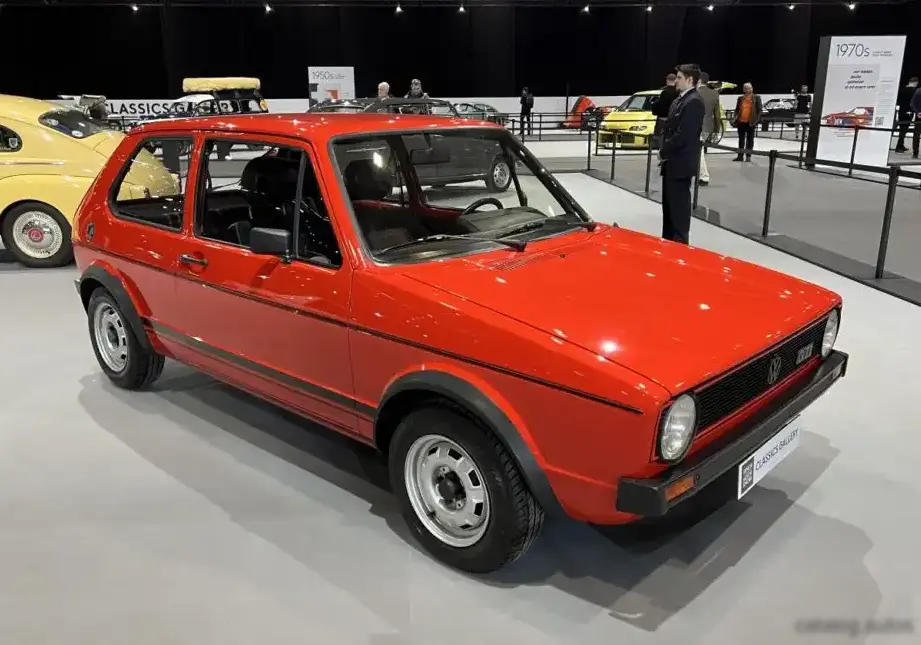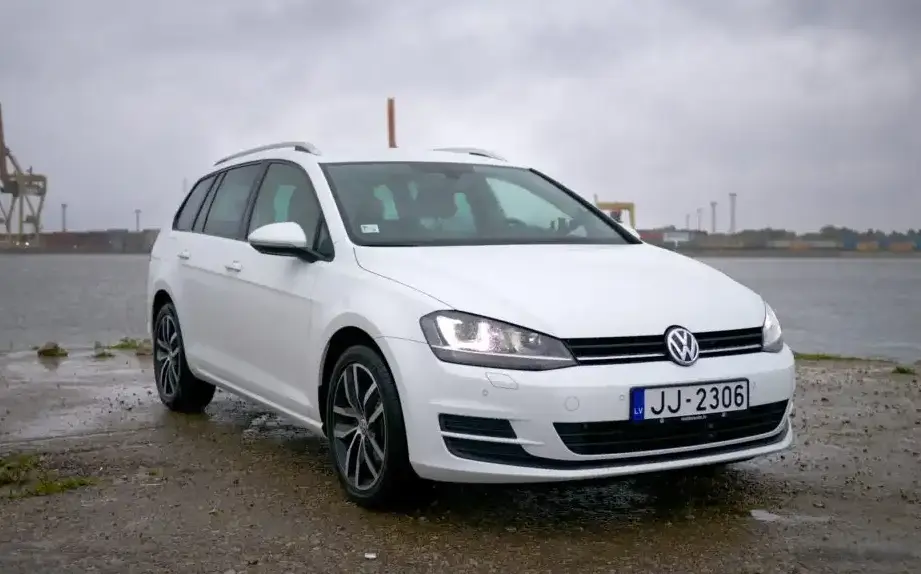
The Volkswagen Golf VII Variant 1.4 TSI (122 hp) was a popular configuration within the seventh generation Golf range, produced from 2012 to 2014. Positioned as a mid-range offering in the Variant (estate/wagon) body style, it aimed to balance fuel efficiency with reasonable performance for family and practical use. This model occupied a space between the lower-powered 1.2 TSI engines and the more potent 1.8 TSI and diesel options. It was primarily marketed in Europe, where the station wagon body style remains highly sought after, offering a practical alternative to the hatchback while retaining the Golf’s core qualities.
Technical Specifications
| Brand | Volkswagen |
| Model | Golf |
| Generation | Golf VII Variant |
| Type (Engine) | 1.4 TSI (122 Hp) |
| Start of production | 2012 |
| End of production | 2014 |
| Powertrain Architecture | Internal Combustion engine |
| Body type | Station wagon (estate) |
| Seats | 5 |
| Doors | 5 |
| Fuel consumption (urban) | 6.9 l/100 km (34.1 US mpg, 40.9 UK mpg, 14.5 km/l) |
| Fuel consumption (extra urban) | 4.4 l/100 km (53.5 US mpg, 64.2 UK mpg, 22.7 km/l) |
| Fuel consumption (combined) | 5.3 l/100 km (44.4 US mpg, 53.3 UK mpg, 18.9 km/l) |
| Fuel Type | Petrol (Gasoline) |
| Acceleration 0 – 100 km/h | 9.7 sec |
| Acceleration 0 – 62 mph | 9.7 sec |
| Acceleration 0 – 60 mph | 9.2 sec |
| Maximum speed | 204 km/h (126.76 mph) |
| Weight-to-power ratio | 10.9 kg/Hp, 91.8 Hp/tonne |
| Weight-to-torque ratio | 6.6 kg/Nm, 150.5 Nm/tonne |
| Power | 122 Hp @ 5000 rpm |
| Power per litre | 87.5 Hp/l |
| Torque | 200 Nm @ 1500-4000 rpm (147.51 lb.-ft. @ 1500-4000 rpm) |
| Engine layout | Front, Transverse |
| Engine Model/Code | CXSA |
| Engine displacement | 1395 cm3 (85.13 cu. in.) |
| Number of cylinders | 4 |
| Engine configuration | Inline |
| Fuel injection system | Direct injection |
| Engine aspiration | Turbocharger, Intercooler |
| Engine oil capacity | 4 l (4.23 US qt | 3.52 UK qt) |
| Kerb Weight | 1329 kg (2929.94 lbs.) |
| Max. weight | 1860 kg (4100.6 lbs.) |
| Max load | 531 kg (1170.65 lbs.) |
| Trunk (boot) space – minimum | 605 l (21.37 cu. ft.) |
| Trunk (boot) space – maximum | 1620 l (57.21 cu. ft.) |
| Fuel tank capacity | 50 l (13.21 US gal | 11 UK gal) |
| Length | 4562 mm (179.61 in.) |
| Width | 1799 mm (70.83 in.) |
| Height | 1481 mm (58.31 in.) |
| Wheelbase | 2635 mm (103.74 in.) |
| Front track | 1549 mm (60.98 in.) |
| Rear (Back) track | 1520 mm (59.84 in.) |
| Minimum turning circle | 10.9 m (35.76 ft.) |
| Drivetrain Architecture | The Internal combustion engine (ICE) drives the front wheels of the vehicle. |
| Drive wheel | Front wheel drive |
| Number of gears | 6 gears, manual transmission |
| Assisting systems | ABS (Anti-lock braking system) |
| Steering type | Steering rack and pinion |
INTRODUCTION
The Golf VII Variant, launched in 2013, represented Volkswagen’s seventh iteration of the iconic Golf, but in the more practical station wagon format. The 1.4 TSI (122 hp) variant was a key model in the lineup, offering a balance between affordability, fuel economy, and usability. Built on the MQB (Modular Transverse Matrix) platform – also known as the 1HX0/A3 platform – it shared its underpinnings with several other Volkswagen Group vehicles, including the Audi A3 and SEAT Leon. This platform allowed for a lighter and more rigid chassis compared to its predecessor, contributing to improved handling and safety. The 1.4 TSI aimed to appeal to buyers who didn’t require the outright performance of the 1.8 TSI or the fuel economy of the diesel options, but still wanted a refined and capable family car.
Powertrain & Engine Architecture
The heart of the Golf VII Variant 1.4 TSI (122 hp) is the EA211 engine family, specifically the CXSA engine code. This 1.4-liter, four-cylinder engine utilizes direct fuel injection and a turbocharger with an intercooler to deliver a respectable 122 horsepower at 5000 rpm and 200 Nm (147.51 lb-ft) of torque between 1500 and 4000 rpm. The direct injection system, a key feature of the EA211, allows for precise fuel delivery, improving efficiency and reducing emissions. The turbocharger provides a boost in power, compensating for the relatively small displacement. The engine also incorporates variable valve timing on both the intake and exhaust sides, further optimizing performance and fuel economy. The 6-speed manual transmission was standard, offering a good balance between fuel efficiency and driver engagement. While a 7-speed DSG dual-clutch transmission was available as an option, the manual was the more common choice for this trim level.
Driving Characteristics
The 1.4 TSI (122 hp) Golf VII Variant offered a comfortable and refined driving experience. Acceleration from 0-60 mph took around 9.2 seconds, which was adequate for everyday driving but not particularly sporty. The engine’s torque delivery was relatively flat, providing good responsiveness in most situations. However, it did require downshifting for quicker overtaking maneuvers. Compared to the more powerful 1.8 TSI, the 1.4 TSI felt noticeably less eager, especially when fully loaded with passengers and luggage. The 6-speed manual transmission was well-matched to the engine, with smooth gear changes and a reasonably precise shift feel. The suspension, tuned for comfort, absorbed bumps and imperfections in the road well, providing a stable and predictable ride. The steering was light and accurate, making it easy to maneuver in urban environments.
Equipment & Trim Levels
The 1.4 TSI variant typically came with a decent level of standard equipment. This included air conditioning, alloy wheels, a touchscreen infotainment system, electric windows and mirrors, and ABS brakes. Higher trim levels, such as Trendline and Comfortline, added features like cruise control, parking sensors, and upgraded upholstery. Optional extras included a panoramic sunroof, navigation system, and leather seats. Interior upholstery was typically cloth, with a functional and durable design. The dashboard layout was clean and modern, with intuitive controls and a clear instrument cluster.
Chassis & Braking
The Golf VII Variant’s chassis featured independent suspension at the front (MacPherson strut) and a multi-link rear suspension, contributing to its comfortable ride and stable handling. The front brakes were typically ventilated discs, while the rear brakes were solid discs on most models, although some base models may have featured drum brakes. ABS (Anti-lock Braking System) was standard, along with electronic stability control (ESC). The suspension was tuned to prioritize comfort, with relatively soft springs and dampers. Stabilizer bars were fitted to both the front and rear axles to reduce body roll during cornering.
Market Reception & Comparison
The Golf VII Variant 1.4 TSI (122 hp) received generally positive reviews from automotive critics. It was praised for its fuel efficiency, comfortable ride, and practical interior space. However, some critics noted that the engine could feel underpowered, especially when carrying a full load or driving on hilly terrain. Compared to the 1.8 TSI, the 1.4 TSI offered better fuel economy but less performance. The 1.6 TDI diesel variant provided even better fuel economy but lacked the refinement of the petrol engine. In terms of reliability, the 1.4 TSI engine proved to be generally reliable, although some owners reported issues with the turbocharger and direct injection system.
Legacy
The Golf VII Variant 1.4 TSI (122 hp) remains a popular choice in the used car market today. Its combination of practicality, fuel efficiency, and affordability makes it an attractive option for buyers looking for a reliable and versatile family car. While the engine may not be the most powerful, it is generally reliable and relatively inexpensive to maintain. The MQB platform’s robust design and the Golf’s overall build quality contribute to its long-term durability. As with any used car, it’s important to check the service history and have the vehicle inspected by a qualified mechanic before purchasing.