
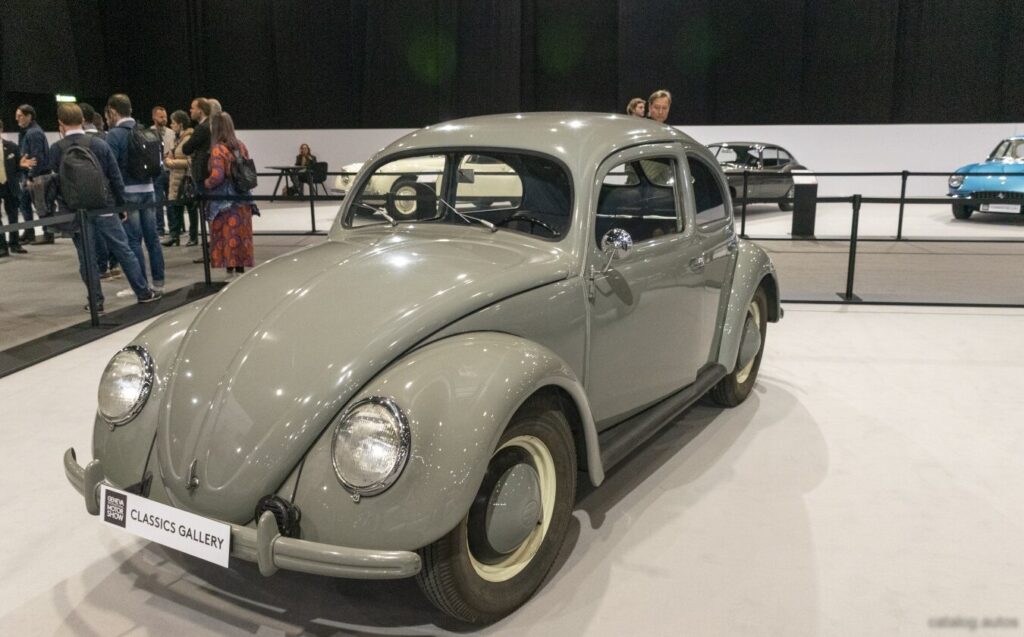
The Volkswagen Käfer 1300, often referred to as the Beetle 1300, was a pivotal iteration of the iconic Volkswagen Beetle, produced between 1965 and 1970. Representing a significant upgrade over the earlier 1200 model, the 1300 featured a larger engine, improved brakes, and subtle styling changes. This variant played a crucial role in solidifying the Beetle’s position as a globally popular and affordable automobile. It was positioned as a mainstream offering within the Käfer lineup, bridging the gap between the more basic 1200 and the later, more powerful 1500 and 1600 models. The 1300’s introduction marked a move towards greater refinement and performance, while retaining the Beetle’s core values of simplicity and reliability.
Volkswagen Käfer 1300 1.3 (37 hp): An Overview
The Käfer 1300, designated internally as Type 113, was a direct evolution of the original Beetle design. While maintaining the rear-engine, rear-wheel-drive layout and distinctive rounded silhouette, the 1300 incorporated several key improvements. These included a larger 1300cc engine, a more modern electrical system, and a revised braking system. The 1300 was available exclusively as a coupe (two-door) and was sold in numerous markets worldwide, becoming a symbol of post-war mobility and accessible transportation. Production spanned from 1965 to 1970, after which it was superseded by the 1500 model.
Powertrain & Engine Architecture
The heart of the Käfer 1300 is its 1285cc (rounded to 1300cc for marketing purposes) air-cooled, naturally aspirated flat-four engine. This engine, designated Type 113, produced 37 horsepower at 4,000 rpm and 73 lb-ft of torque at 2,800 rpm. It represented a substantial increase in displacement and power compared to the 1192cc engine found in the earlier 1200 model. The engine utilized a cast iron block and cylinder heads, with aluminum alloy pistons. Fuel delivery was managed by a single Solex 28 PCI carburetor. The valvetrain employed pushrods operating overhead valves – a simple yet robust design characteristic of the Beetle. The engine’s compression ratio was 8.5:1.
The Käfer 1300 exclusively utilized a four-speed manual transmission. This transmission was fully synchronized, a significant improvement over the earlier non-synchronized gearboxes. The transmission featured a relatively simple design, prioritizing durability and ease of maintenance. The gear ratios were tailored to provide adequate acceleration and cruising ability for the vehicle’s intended purpose. The transmission was mechanically operated via a floor-mounted shift lever.
Driving Characteristics
The driving experience of the Käfer 1300 is defined by its simplicity and character. The 37 horsepower engine provides adequate, though not exhilarating, performance. Acceleration from 0 to 60 mph takes approximately 18-20 seconds, and the top speed is around 78 mph. The engine is relatively responsive at lower speeds, making it well-suited for city driving. However, overtaking maneuvers on highways require careful planning. The four-speed manual transmission allows for precise control over the engine’s power band. The Beetle’s rear-engine layout contributes to a unique handling characteristic – a tendency towards oversteer, particularly when cornering at higher speeds. Experienced drivers can exploit this characteristic, while novice drivers should exercise caution. The suspension, consisting of torsion bars at the front and rear, provides a relatively comfortable ride, absorbing bumps and imperfections in the road surface.
Compared to later, more powerful Beetle variants like the 1500 and 1600, the 1300 feels noticeably slower and less refined. The 1500 and 1600 models offered significantly improved acceleration and cruising speeds, making them more suitable for long-distance travel. However, the 1300’s simplicity and lower maintenance requirements appealed to a different segment of the market – those seeking an affordable and reliable form of transportation.
Equipment & Trim Levels
The Käfer 1300 was offered with a relatively basic level of standard equipment, reflecting its position as a mainstream, affordable vehicle. Standard features included cloth upholstery, a steering wheel, a speedometer, and a fuel gauge. The interior was functional and utilitarian, prioritizing practicality over luxury.
Optional extras included a radio, whitewall tires, a heater, and upgraded interior trim. A sunroof was also available as an option. The exterior paint options were typically limited to a range of solid colors, with two-tone paint schemes available at an additional cost. The 1300 did not offer many of the luxury features found on more expensive automobiles of the era.
Chassis & Braking
The Käfer 1300 utilizes a robust chassis construction, featuring a unibody design. The suspension system consists of torsion bars at the front and rear, providing a relatively comfortable ride. The front suspension incorporates a transverse steering linkage, while the rear suspension is independent. The 1300 benefited from an upgraded braking system compared to the earlier 1200 model. It featured hydraulic drum brakes on all four wheels, providing improved stopping power and reliability.
The 1300’s drum brakes, while adequate for its weight and performance, were less effective than the disc brakes found on some later Beetle variants. The steering system is a worm-and-roller type, providing a relatively direct steering feel. The vehicle’s relatively lightweight construction contributes to its nimble handling characteristics.
1.3 Engine Specifications
The 1.3 liter engine in the Käfer 1300 was a significant step up from previous models. It offered a balance of affordability and improved performance, making it a popular choice for drivers seeking a reliable and economical vehicle.
Market Reception & Comparison
The Käfer 1300 was generally well-received by automotive critics and the public alike. It was praised for its improved performance, reliability, and affordability. The larger engine provided a noticeable improvement in drivability, making it more suitable for a wider range of driving conditions. The upgraded braking system was also a welcome improvement.
Compared to other vehicles in its class, the Käfer 1300 offered a unique combination of features. Its rear-engine layout, air-cooled engine, and simple construction set it apart from conventional front-engine, water-cooled automobiles. The Beetle’s fuel economy was also a significant selling point, particularly during periods of rising gasoline prices. However, the Beetle’s limited interior space and lack of modern amenities were often cited as drawbacks.
Technical Specifications
| Engine Type | Air-cooled, Flat-Four |
| Displacement | 1285 cc (1.3 L) |
| Horsepower | 37 hp @ 4,000 rpm |
| Torque | 73 lb-ft @ 2,800 rpm |
| Fuel System | Solex 28 PCI Carburetor |
| Compression Ratio | 8.5:1 |
| Transmission | 4-speed Manual |
| Brakes | Hydraulic Drum Brakes (all four wheels) |
| Suspension (Front) | Torsion Bars |
| Suspension (Rear) | Torsion Bars |
| Curb Weight | 1,587 lbs (720 kg) |
| Top Speed | 78 mph (125 km/h) |
| 0-60 mph | 18-20 seconds |
| Fuel Tank Capacity | 40 liters (10.6 US gallons) |
Legacy
The Käfer 1300 remains a popular classic car today, cherished by enthusiasts for its simplicity, reliability, and iconic design. The 1.3-liter engine, while not particularly powerful by modern standards, is known for its durability and ease of maintenance. Parts availability is generally good, making it relatively easy to keep these vehicles on the road. The Käfer 1300’s legacy extends beyond its mechanical attributes. It represents a significant chapter in automotive history, embodying the spirit of post-war innovation and accessibility. The 1300 continues to be a symbol of a bygone era, evoking nostalgia and a sense of timeless appeal. Well-maintained examples command respectable prices in the used car market, reflecting their enduring popularity and historical significance.
