
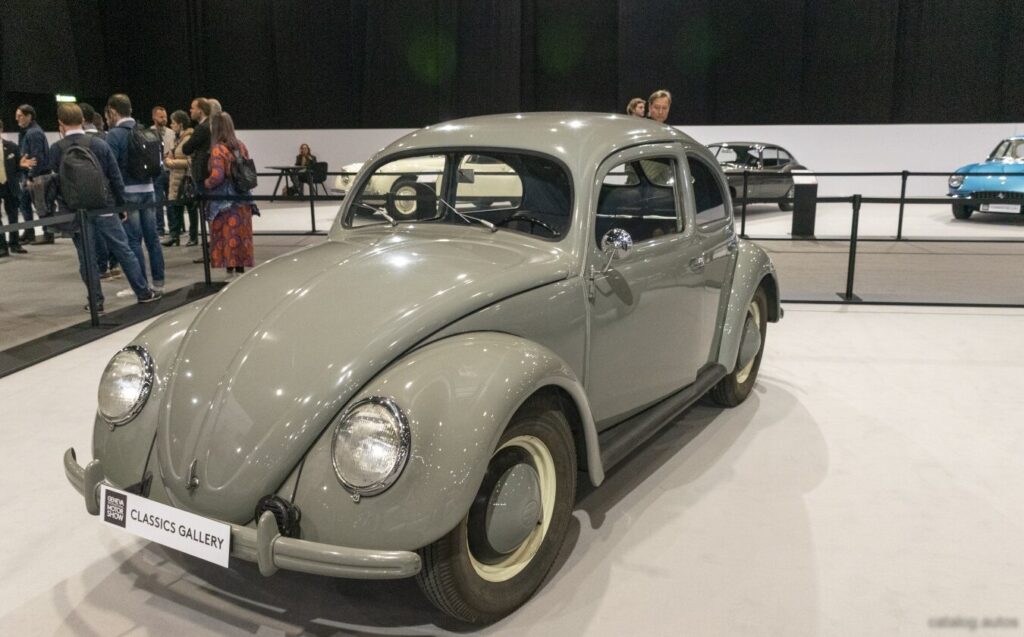
The Volkswagen Käfer 1303 LS,S 1.6 (50 hp) represents a specific iteration of the iconic Volkswagen Beetle, produced between 1972 and 1979. This variant, often referred to as the “Super Beetle” due to its significant chassis and suspension upgrades, occupied a middle ground within the 1303/1303S range. It offered a balance between affordability and improved comfort compared to the standard Beetle, while remaining less expensive and less performance-oriented than the higher-specification models. The 1303 series, introduced in 1972, marked a substantial redesign of the Beetle, addressing many criticisms leveled at earlier models, particularly regarding interior space and ride quality. The LS,S designation denotes a specific trim level within the 1303 range, characterized by its 1.6-liter engine and a relatively modest 50 horsepower output.
The 1.6-Liter Engine and Powertrain
The heart of the 1303 LS,S is the 1600cc, air-cooled, flat-four engine, internally designated as Type 1600. This engine, while sharing the fundamental architecture of earlier Beetle engines, benefited from incremental improvements in design and materials. It featured a single Solex carburetor, responsible for fuel delivery, and a relatively low compression ratio, contributing to its modest power output. The engine’s aspiration was naturally aspirated, meaning it relied solely on atmospheric pressure to draw air into the cylinders. The valvetrain consisted of a single overhead camshaft operating pushrods to actuate the valves. This configuration, while simple and reliable, limited the engine’s ability to rev freely and achieve high power figures.
The 1303 LS,S was exclusively offered with a four-speed manual transmission. An automatic transmission was *not* available for this specific configuration. The transmission was fully synchronized, improving shift quality compared to earlier, non-synchronized gearboxes. The final drive ratio was typically 3.89:1, providing a balance between acceleration and cruising ability. The engine and transmission were mounted in the rear of the vehicle, a defining characteristic of the original Beetle design. This rear-engine layout contributed to the car’s unique handling characteristics, often described as lively and prone to oversteer.
Engine Details and Maintenance
The Type 1600 engine in the 1303 LS,S is known for its relative simplicity and ease of maintenance. Regular oil changes, typically using 2.5 liters (2.64 US quarts / 2.2 UK quarts) of oil, were crucial for longevity. Valve adjustments were also a necessary maintenance item, as the engine’s valve train was prone to wear if not properly maintained. The air-cooled nature of the engine meant that it did not require a radiator or coolant system, simplifying the overall design. However, it also meant that the engine was more susceptible to overheating in hot climates or under sustained heavy load. The engine’s durability was generally good, but it was not known for its high performance or longevity under extreme conditions.
Driving Characteristics
The 1303 LS,S 1.6 (50 hp) offered a modest driving experience. Acceleration was leisurely, with 0-60 mph times typically exceeding 15 seconds. Top speed was around 85-90 mph, although sustaining such speeds for extended periods was not recommended due to the engine’s limited power and cooling capacity. The car’s handling was characterized by its rear-engine layout, which provided a unique feel. While not particularly sporty, the 1303 LS,S was relatively easy to drive and maneuver, especially in urban environments. The four-speed manual transmission offered precise shifts, and the clutch was relatively light. Compared to the higher-output 1600cc engines found in other 1303 variants, the 50 hp version felt noticeably slower and less responsive. However, it also offered better fuel economy and reduced maintenance requirements.
The Super Beetle’s upgraded suspension, featuring MacPherson struts at the front and semi-trailing arms at the rear, provided a significantly improved ride quality compared to earlier Beetles. This made the 1303 LS,S a more comfortable and refined vehicle for long-distance driving. However, the suspension was still relatively basic, and the car was prone to body roll in corners.
Equipment and Trim Levels
The 1303 LS,S trim level offered a reasonable level of standard equipment for its time. The interior typically featured cloth upholstery, although vinyl options were available. The dashboard was redesigned compared to earlier Beetles, offering more space and improved ergonomics. A heater was standard, providing basic climate control. The car also featured a basic instrument cluster with speedometer, fuel gauge, and warning lights. Optional extras included a radio, upgraded upholstery, and a sunroof. The LS,S trim was positioned as a step up from the base 1303 model, offering a more comfortable and well-equipped interior. However, it lacked the more luxurious features found in the higher-specification 1303S models.
Chassis and Braking
The 1303 chassis represented a significant improvement over earlier Beetle platforms. The redesigned body shell provided more interior space and improved structural rigidity. The suspension, as mentioned earlier, featured MacPherson struts at the front and semi-trailing arms at the rear. The braking system consisted of drum brakes on all four wheels. While adequate for the car’s weight and performance, the drum brakes lacked the stopping power and fade resistance of disc brakes. The 1303 LS,S typically featured 15-inch wheels with relatively narrow tires, contributing to its comfortable ride quality but limiting its grip in corners. A stabilizer bar was fitted to the front suspension, helping to reduce body roll.
Market Reception and Comparison
The 1303 LS,S 1.6 (50 hp) was generally well-received by the motoring press as a practical and affordable family car. Critics praised its improved ride quality and interior space compared to earlier Beetles. However, they also noted its modest performance and relatively basic equipment levels. Compared to other trims in the 1303 range, the LS,S offered a good balance between price and features. The higher-specification 1303S models offered more power, better brakes, and more luxurious interiors, but at a significantly higher cost. The LS,S was also more fuel-efficient than the higher-output versions, making it an attractive option for budget-conscious buyers. Fuel economy typically ranged from 28-32 mpg, depending on driving conditions.
Technical Specifications
| Body Type | Coupe |
| Engine Type | Air-cooled, Flat-Four |
| Engine Displacement | 1600cc (97.5 cu in) |
| Power Output | 50 hp (37 kW) @ 4000 rpm |
| Torque | 98 lb-ft (133 Nm) @ 3000 rpm |
| Fuel System | Solex Carburetor |
| Transmission | 4-Speed Manual |
| Drivetrain | Rear-Wheel Drive |
| Brakes | Drum Brakes (All Four Wheels) |
| Suspension (Front) | MacPherson Struts |
| Suspension (Rear) | Semi-Trailing Arms |
| Wheel Size | 15 inch |
| Fuel Tank Capacity | 40 liters (10.6 US gallons) |
| Curb Weight | 890 kg (1962 lbs) |
Legacy
The Volkswagen Käfer 1303 LS,S 1.6 (50 hp) remains a popular classic car today. Its simple design, ease of maintenance, and relatively low cost of ownership make it an attractive option for enthusiasts. The Type 1600 engine is known for its reliability, although regular maintenance is essential to prevent problems. Parts availability is generally good, as many aftermarket suppliers cater to the classic Beetle market. While not a high-performance vehicle, the 1303 LS,S offers a unique and enjoyable driving experience. Its iconic styling and historical significance ensure its continued popularity among car collectors and enthusiasts worldwide. The 1303 series, and the LS,S variant specifically, represent a significant chapter in the history of the Volkswagen Beetle, bridging the gap between the original air-cooled design and the more modern water-cooled models that followed.
