
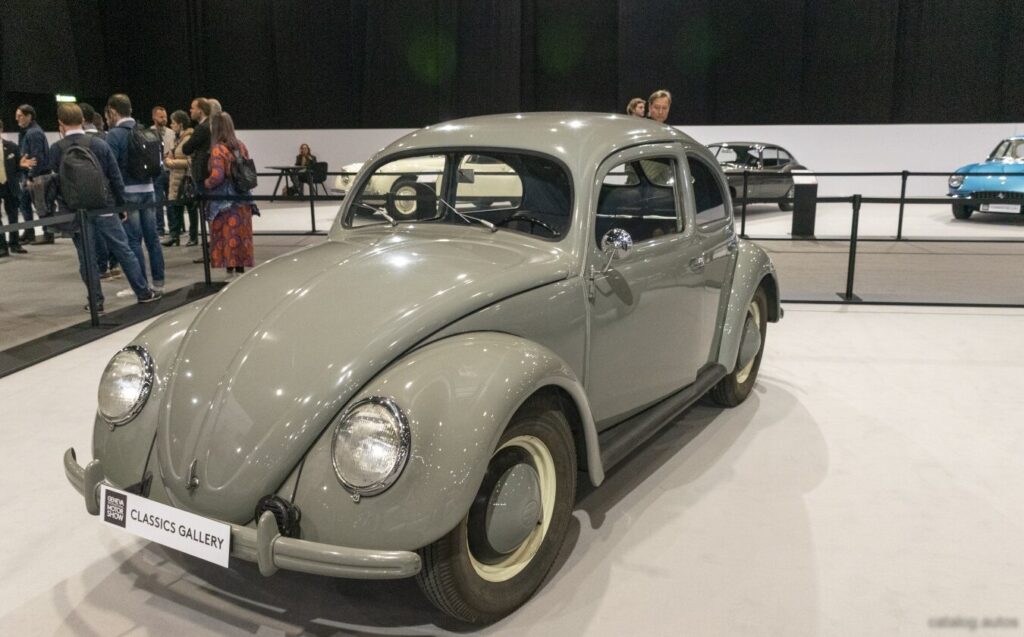
The Volkswagen Käfer, universally known as the Beetle, underwent numerous iterations throughout its remarkably long production run. The 1500, produced between 1967 and 1969, represented a significant step in the Beetle’s evolution, offering increased displacement and power compared to earlier models. This variant, specifically the 1.5-liter engine producing 54 horsepower, served as a mainstream offering within the Käfer lineup, bridging the gap between the earlier, lower-powered versions and the later, more potent 1600cc models. It was a crucial part of the Type 1 (Käfer) series, designated internally as the Type 11, and played a key role in maintaining the Beetle’s popularity during a period of increasing competition from newer, more modern vehicles.
The 1.5-Liter Käfer: A Detailed Overview
The 1967-1969 Volkswagen Käfer 1500 represented a refinement of the classic Beetle formula. While retaining the iconic rear-engine, rear-wheel-drive layout and distinctive silhouette, the 1500 introduced a larger engine and several mechanical improvements. This model year saw a shift towards greater refinement and usability, appealing to a broader customer base. The 1.5-liter engine was designed to provide a more relaxed driving experience, particularly on longer journeys and with a full complement of passengers. It was positioned as a practical and affordable transportation solution, embodying the core values of the original Beetle concept.
Powertrain & Engine Architecture
The heart of the Käfer 1500 is its 1499cc (91.47 cubic inch) air-cooled, naturally aspirated, four-cylinder boxer engine. This engine, internally designated with various codes depending on the specific market, is characterized by its horizontally opposed cylinder arrangement. This configuration contributes to a lower center of gravity, enhancing stability. The engine utilizes a cast iron block and aluminum cylinder heads. Fuel delivery is managed by a single Solex carburetor, a common setup for the time, providing a relatively simple and reliable fuel system. The valvetrain consists of a single overhead camshaft operating pushrods to actuate the valves. The compression ratio is typically around 8.5:1. The engine’s output of 54 horsepower at approximately 4000 rpm, and 88 lb-ft of torque, was a noticeable improvement over the earlier 1300cc and 1200cc engines.
The drivetrain consists of a four-speed manual transmission as standard. While an automatic transmission was offered as an option, it was less common and generally considered to detract from the Beetle’s driving experience. The transmission is fully synchronized, providing smoother gear changes. Power is then transferred to the rear wheels via a driveshaft and a reduction gearbox. The rear-engine layout necessitates a unique drivetrain configuration to manage the weight distribution and deliver power efficiently.
Driving Characteristics
The driving experience in a Käfer 1500 is distinctly different from modern automobiles. The rear-engine layout imparts a unique handling characteristic, with a tendency towards oversteer, particularly when pushed hard. However, the 1500’s increased power and torque compared to earlier models make it more manageable and less prone to feeling sluggish. Acceleration from a standstill is modest, but the engine provides adequate power for cruising at highway speeds, although maintaining those speeds requires a degree of patience. The four-speed manual transmission offers a reasonable spread of gears, allowing the driver to keep the engine in its optimal power band. The optional automatic transmission, while offering convenience, significantly reduced performance and fuel economy. The steering, utilizing a cone worm and recirculating ball mechanism, is relatively heavy but provides a direct feel. Overall, the Käfer 1500 offers a charmingly vintage driving experience, prioritizing simplicity and affordability over outright performance.
Equipment & Trim Levels
The Käfer 1500 was typically offered in a relatively basic trim level, reflecting its position as a practical and affordable vehicle. Standard features included vinyl upholstery, a simple dashboard with basic instrumentation (speedometer, fuel gauge, and temperature gauge), and manually operated windows. Chrome trim was used sparingly, primarily on the bumpers and window surrounds. Optional extras included a sunroof, upgraded upholstery, a radio, and whitewall tires. The interior was functional and durable, designed to withstand the rigors of daily use. The standard color options were relatively limited, typically consisting of solid colors like red, blue, green, and black. The emphasis was on providing a reliable and functional vehicle rather than luxurious appointments.
Chassis & Braking
The Käfer 1500 utilizes a robust chassis construction, featuring a monocoque body shell. The suspension system consists of independent torsion bar front suspension and swing axle rear suspension. This setup provides a comfortable ride, although it can be prone to bump steer on uneven surfaces. The front brakes are disc brakes, providing adequate stopping power, while the rear brakes are drum brakes. The braking system is mechanically operated, lacking the assistance found in more modern vehicles. Steering is handled by a cone worm and recirculating ball system. The standard tire size is 175/80 R15, mounted on 15-inch steel wheels. The chassis and suspension were designed to provide a balance between ride comfort and handling, prioritizing stability and durability.
Market Reception & Comparison
The Käfer 1500 was generally well-received by critics and consumers alike. It was praised for its improved performance, reliability, and affordability. Compared to the earlier 1200cc and 1300cc Beetles, the 1500 offered a more refined driving experience and greater usability. However, it faced increasing competition from newer, more modern vehicles, such as the Fiat 850 and the Renault 4. The 1500’s fuel economy was competitive for the time, averaging around 30-35 miles per gallon. Reliability was a key strength, with the air-cooled engine proving to be remarkably durable. Compared to the later 1600cc models, the 1500 offered a slightly more economical option, albeit with less power. The automatic transmission version was often criticized for its sluggish performance and reduced fuel efficiency.
Technical Specifications
| Body Type | Coupe, 2 Doors, 5 Seats |
| Engine Displacement | 1.5 l / 1499 cm³ / 91.47 cu. in. |
| Engine Configuration | 4 cylinders, Boxer |
| Fuel Type | Petrol (Gasoline) |
| Maximum Power | 54 Hp |
| Maximum Speed | 137 km/h / 85.13 mph |
| Fuel Injection System | Carburettor |
| Drive Wheels | Rear Wheel Drive |
| Front Brakes | Disc |
| Rear Brakes | Drum |
| Tire Size | 175/80 R15 |
| Engine Oil Capacity | 2.5 l / 2.64 US qt | 2.2 UK qt |
| Cylinder Bore | 83.5 mm / 3.29 in. |
Legacy
The Volkswagen Käfer 1500 remains a popular classic car today, prized for its simplicity, reliability, and iconic design. The 1.5-liter engine, while not the most powerful version of the Beetle engine, is known for its durability and relatively easy maintenance. Parts availability is generally good, making it a relatively affordable classic to own and restore. The 1500 represents a sweet spot in the Käfer lineage, offering a balance between affordability, performance, and usability. Well-maintained examples command a respectable price in the used car market, and the Käfer 1500 continues to be a beloved symbol of automotive history.
