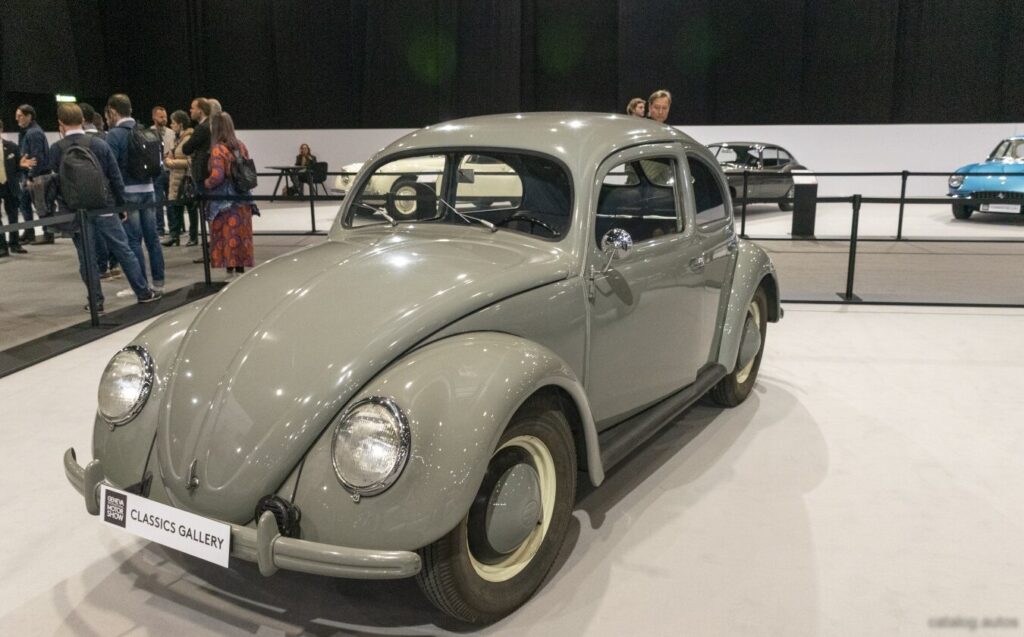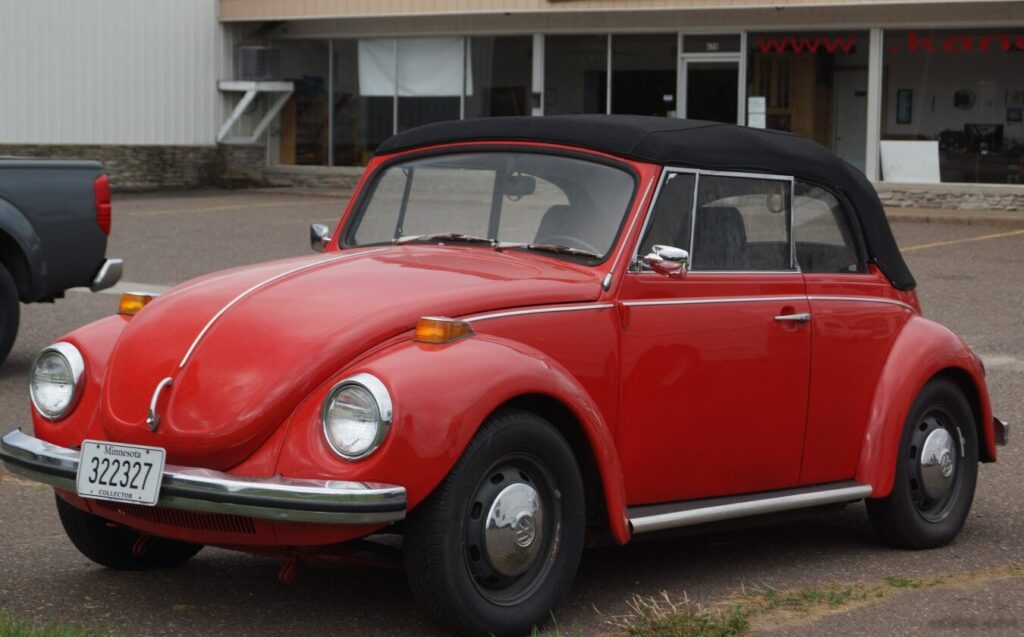
The Volkswagen Käfer Cabriolet (Type 15), produced between 1970 and 1974, represented the final iteration of the iconic Beetle convertible. This version, specifically equipped with the 1302-derived 1.6-liter engine producing 46 horsepower, occupied the entry-level position within the Käfer Cabriolet range during its production run. It served as a more affordable and accessible option compared to the later, more powerful 1.7-liter variants. The Type 15 built upon the foundation of the earlier Käfer Cabriolets, incorporating improvements from the 1302 sedan, most notably the revised suspension and larger engine displacement. This model is significant as it represents the culmination of Volkswagen’s open-top Beetle design, offering a classic driving experience with a focus on simplicity and affordability.
Volkswagen Käfer Cabriolet 1302 1.6 (46 hp): An Overview
The 1970-1974 Käfer Cabriolet 1.6 (46 hp) – often referred to simply as the 1302 Cabriolet – was a direct descendant of the original Beetle convertible, but benefited from several mechanical upgrades introduced with the 1302 sedan. These upgrades included a revised suspension geometry designed to improve ride comfort and handling, and a larger engine displacement. While the 46 horsepower output might seem modest by modern standards, it provided adequate performance for leisurely cruising, which was the intended purpose of the vehicle. The Cabriolet was positioned as a lifestyle vehicle, appealing to buyers seeking an open-air motoring experience without the expense or complexity of more sophisticated convertibles.
Powertrain & Engine Architecture
The heart of the 1302 Cabriolet 1.6 (46 hp) is the air-cooled, naturally aspirated 1.6-liter flat-four engine, internally designated as the Type 1302 engine. This engine builds upon the earlier Type 12 engines, featuring a larger bore and stroke to increase displacement. The engine utilizes a simple, yet robust, pushrod valvetrain operating two valves per cylinder. Fuel delivery is managed by a single Solex carburetor, a common feature of Volkswagen engines of this era. The compression ratio is typically around 8.5:1. The engine’s design prioritized reliability and ease of maintenance over outright performance.
The transmission is a four-speed manual gearbox, a standard feature for this variant. The gearbox is fully synchronized, providing smooth and precise gear changes. The drivetrain is rear-wheel drive, consistent with the traditional Beetle layout. The engine and transmission are mounted in the rear of the vehicle, contributing to the Beetle’s distinctive handling characteristics. The 46 hp is delivered at 4,000 rpm, with peak torque of approximately 86 lb-ft at 3,200 rpm. This relatively low peak power and torque figures meant that acceleration was leisurely, but the engine proved to be remarkably durable and capable of handling sustained use.
Driving Characteristics
The driving experience in the 1302 Cabriolet 1.6 (46 hp) is characterized by its simplicity and charm. The 46 horsepower engine provides sufficient power for comfortable cruising on level roads, but climbing hills or accelerating quickly requires downshifting. The rear-engine layout contributes to a unique handling feel, with a tendency towards oversteer, particularly when cornering at higher speeds. The suspension, while improved over earlier Beetle models, still provides a relatively firm ride. The four-speed manual transmission is easy to operate, and the clutch is light and forgiving. The Cabriolet’s open-top design enhances the driving experience, providing a direct connection to the surrounding environment. Compared to the later 1.7-liter Cabriolets, the 1.6-liter version offers a more relaxed and less demanding driving experience, making it well-suited for casual motoring.
Equipment & Trim Levels
The 1302 Cabriolet 1.6 (46 hp) was relatively sparsely equipped, reflecting its position as the entry-level model. Standard features typically included vinyl upholstery, a basic instrument panel with speedometer and fuel gauge, and a folding fabric roof. The dashboard was typically finished in a simple, utilitarian style. Optional extras included upgraded upholstery materials, a radio, and whitewall tires. The exterior trim was minimal, with chrome bumpers and brightwork providing a touch of elegance. The convertible top was manually operated and available in a range of colors. The interior space was limited, as with all Beetle models, but the Cabriolet offered a sense of openness and freedom that was unmatched by the sedan version.
Chassis & Braking
The Käfer Cabriolet 1302 1.6 (46 hp) utilizes a monocoque chassis construction, providing a relatively lightweight and rigid platform. The suspension system consists of independent torsion bar front suspension and swing axle rear suspension. The rear suspension geometry was revised in the 1302 sedan and carried over to the Cabriolet, improving ride comfort and reducing the tendency for rear-end lift during acceleration. The braking system consists of drum brakes on all four wheels. The brakes are mechanically operated and provide adequate stopping power for the vehicle’s weight and performance. Steering is by worm and roller, providing a relatively direct but unassisted feel. The Cabriolet’s chassis and braking system were designed for simplicity and reliability, rather than high-performance handling.
Market Reception & Comparison
The 1302 Cabriolet 1.6 (46 hp) was generally well-received by the motoring press and public. Critics praised its affordability, classic styling, and open-air driving experience. However, some reviewers noted the engine’s modest power output and the car’s relatively basic equipment level. Compared to other convertibles available at the time, the Käfer Cabriolet offered a unique combination of affordability, reliability, and charm. Within the Käfer Cabriolet lineup, the 1.6-liter version was positioned as the entry-level model, appealing to buyers seeking a more affordable option. The later 1.7-liter versions offered improved performance but came at a higher price. Fuel economy was reasonable for the era, typically around 30-35 mpg. Reliability was generally excellent, thanks to the engine’s simple design and robust construction.
Technical Specifications
| Body Type | Cabriolet |
| Engine Type | Air-cooled, Flat-Four |
| Displacement | 1.6 Liters (1584 cc) |
| Power Output | 46 hp @ 4,000 rpm |
| Torque | 86 lb-ft @ 3,200 rpm |
| Fuel System | Solex Carburetor |
| Transmission | 4-Speed Manual |
| Drivetrain | Rear-Wheel Drive |
| Brakes | Drum Brakes (All Wheels) |
| Suspension (Front) | Independent Torsion Bar |
| Suspension (Rear) | Swing Axle |
| Engine Oil Capacity | 2.5 Liters (2.64 US qt / 2.2 UK qt) |
| Production Years | 1970-1974 |
Legacy
The 1302 Käfer Cabriolet 1.6 (46 hp) holds a special place in automotive history as the final iteration of the iconic Beetle convertible. Its simple design, robust construction, and affordable price made it a popular choice for buyers seeking a classic open-air motoring experience. Today, these cars are highly sought after by collectors and enthusiasts. The 1.6-liter engine is known for its reliability and ease of maintenance, making it a relatively straightforward engine to restore and keep running. While not the fastest or most luxurious convertible of its era, the 1302 Cabriolet 1.6 (46 hp) remains a beloved symbol of a bygone era, representing a simpler time in automotive history. The values of well-maintained examples have steadily increased in recent years, reflecting the growing demand for classic Volkswagen vehicles.