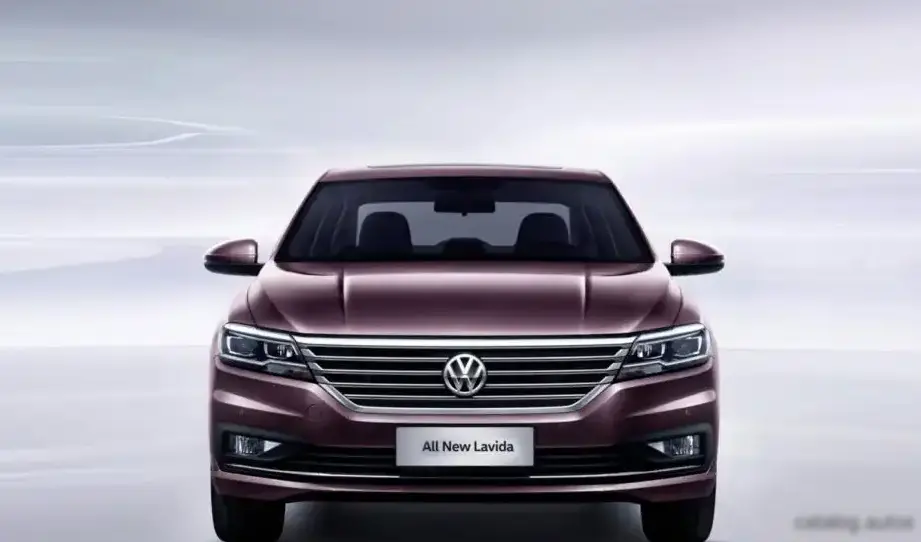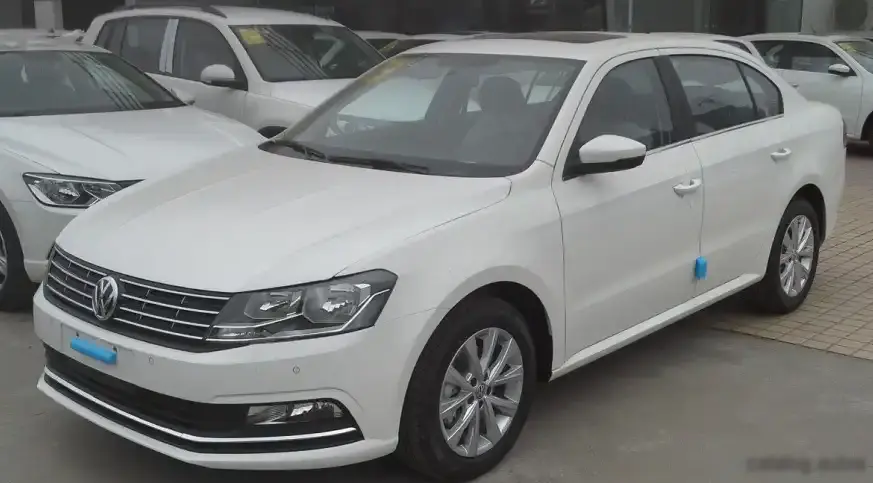
The Volkswagen Lavida II, specifically the 230 TSI variant with the 7-speed Dual Clutch Gearbox (DSG), represents a significant model within Volkswagen’s strategy for the Chinese automotive market. Produced from 2015 to 2018, this facelifted version of the Lavida aimed to provide a balance of fuel efficiency, modern technology, and comfortable driving experience for Chinese consumers. Positioned as a mid-range offering within the Lavida lineup, the 230 TSI bridged the gap between the more economical base models and the higher-performance options. The Lavida itself is a compact sedan designed specifically for the Chinese market, and doesn’t see sales in North America or Europe.
Technical Specifications
| Brand | Volkswagen |
| Model | Lavida |
| Generation | Lavida II (facelift 2015) |
| Type (Engine) | 230 TSI (131 Hp) DSG |
| Start of production | 2015 |
| End of production | 2018 |
| Powertrain Architecture | Internal Combustion engine |
| Body type | Sedan |
| Seats | 5 |
| Doors | 4 |
| Fuel consumption (combined) | 4.9 l/100 km (48 US mpg, 57.6 UK mpg, 20.4 km/l) |
| Fuel Type | Petrol (Gasoline) |
| Acceleration 0 – 100 km/h | 9.3 sec |
| Acceleration 0 – 62 mph | 9.3 sec |
| Acceleration 0 – 60 mph | 8.8 sec |
| Maximum speed | 200 km/h (124.27 mph) |
| Emission standard | China V |
| Weight-to-power ratio | 9.8 kg/Hp, 101.6 Hp/tonne |
| Weight-to-torque ratio | 5.7 kg/Nm, 174.4 Nm/tonne |
| Power | 131 Hp @ 5000 rpm |
| Power per litre | 93.9 Hp/l |
| Torque | 225 Nm @ 1400-3500 rpm (165.95 lb.-ft. @ 1400-3500 rpm) |
| Engine layout | Front, Transverse |
| Engine displacement | 1395 cm3 (85.13 cu. in.) |
| Number of cylinders | 4 |
| Engine configuration | Inline |
| Number of valves per cylinder | 4 |
| Fuel injection system | Direct injection |
| Engine aspiration | Turbocharger, Intercooler |
| Engine oil capacity | 4 l (4.23 US qt | 3.52 UK qt) |
| Kerb Weight | 1290 kg (2843.96 lbs.) |
| Trunk (boot) space – minimum | 478 l (16.88 cu. ft.) |
| Fuel tank capacity | 55 l (14.53 US gal | 12.1 UK gal) |
| Length | 4605 mm (181.3 in.) |
| Width | 1765 mm (69.49 in.) |
| Height | 1460 mm (57.48 in.) |
| Wheelbase | 2610 mm (102.76 in.) |
| Drivetrain Architecture | The Internal combustion engine (ICE) drives the front wheels of the vehicle. |
| Drive wheel | Front wheel drive |
| Number of gears and type of gearbox | 7 gears, automatic transmission DSG |
| Front suspension | Independent type McPherson |
| Rear suspension | Semi-independent, coil spring |
| Front brakes | Ventilated discs |
| Rear brakes | Disc |
| Assisting systems | ABS (Anti-lock braking system) |
| Steering type | Steering rack and pinion |
| Tires size | 205/55 R16 |
| Wheel rims size | 16 |
Powertrain & Engine Architecture
The heart of the Lavida 230 TSI is the 1.4-liter, turbocharged, inline-four cylinder engine, designated as the EA211 family. Specifically, this engine utilizes direct fuel injection and an intercooled turbocharger to deliver a respectable 131 horsepower at 5000 rpm and 225 Nm (165.95 lb-ft) of torque between 1400 and 3500 rpm. The engine code is crucial for identifying specific components and maintenance requirements. The EA211 engine family is known for its relatively lightweight construction and focus on fuel efficiency. The direct injection system allows for precise fuel delivery, optimizing combustion and reducing emissions. The turbocharger provides a boost in power, compensating for the relatively small displacement. This engine is paired with a 7-speed Dual Clutch Gearbox (DSG), which offers quick and smooth gear changes, contributing to both performance and fuel economy. The DSG transmission is a key component of the Lavida 230 TSI’s appeal, providing a more engaging driving experience than a traditional automatic transmission.
Driving Characteristics
The Lavida 230 TSI with the DSG transmission delivers a surprisingly responsive driving experience. While not a sports car, the turbocharger provides ample low-end torque, making it easy to accelerate from a standstill or overtake slower traffic. The 0-60 mph time of around 8.8 seconds is respectable for a compact sedan in this class. The DSG transmission contributes to seamless gear changes, minimizing power interruption during acceleration. Compared to the base engine options in the Lavida lineup, the 230 TSI offers a noticeable improvement in performance. However, it doesn’t quite match the punch of the higher-output engines available in some trims. The suspension is tuned for comfort, providing a smooth ride over most road surfaces. The steering is light and precise, making it easy to maneuver in urban environments.
Equipment & Trim Levels
The Lavida 230 TSI typically came equipped with a range of standard features designed to appeal to the Chinese market. These included air conditioning, power windows and locks, a basic audio system, and ABS brakes. Higher trim levels offered additional features such as alloy wheels, a touchscreen infotainment system, rear parking sensors, and automatic climate control. Interior upholstery was typically cloth, with leather options available as an upgrade. The dashboard layout was functional and modern, with a focus on ease of use. Optional extras included a sunroof, navigation system, and upgraded sound system.
Chassis & Braking
The Lavida 230 TSI utilizes a front-wheel-drive layout with an independent McPherson strut suspension in the front and a semi-independent coil spring suspension in the rear. This suspension setup provides a good balance of ride comfort and handling. The front brakes are ventilated discs, while the rear brakes are solid discs. ABS (Anti-lock Braking System) is standard, enhancing safety during emergency braking situations. The chassis is designed to be lightweight, contributing to improved fuel efficiency and handling. The steering system is a rack and pinion type, providing precise and responsive steering feel.
Market Reception & Comparison
The Lavida 230 TSI was generally well-received by Chinese automotive critics and consumers. It was praised for its fuel efficiency, comfortable ride, and modern features. Compared to other compact sedans in the Chinese market, the Lavida 230 TSI offered a competitive combination of price, performance, and features. Its fuel economy of 4.9 l/100 km (48 US mpg) was a significant selling point, particularly in a market where fuel costs are a concern. Reliability was generally considered to be good, although some owners reported minor issues with the DSG transmission. Compared to the lower-powered Lavida trims, the 230 TSI offered a noticeable improvement in performance, making it a more appealing option for drivers who prioritize driving enjoyment.
Legacy
The Volkswagen Lavida, including the 230 TSI variant, has become a popular choice in the Chinese compact sedan segment. The EA211 engine family has proven to be relatively reliable, and the DSG transmission, while requiring periodic maintenance, has generally performed well. In the used car market, the Lavida 230 TSI remains a sought-after option, particularly among buyers who value fuel efficiency and modern features. Its continued presence on Chinese roads is a testament to its enduring appeal and Volkswagen’s successful strategy in the Chinese automotive market. The Lavida continues to be updated and sold in China, demonstrating its importance to Volkswagen’s global sales figures.