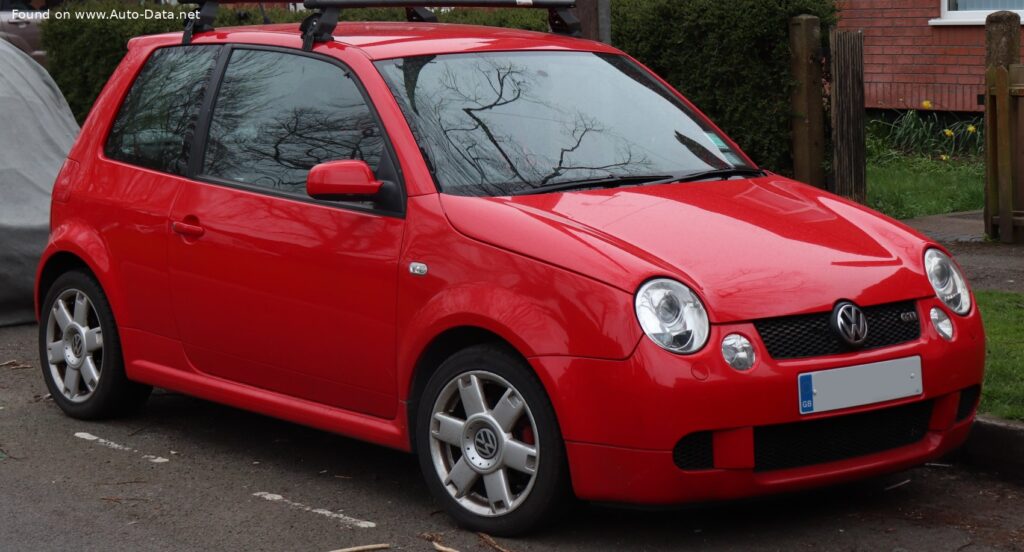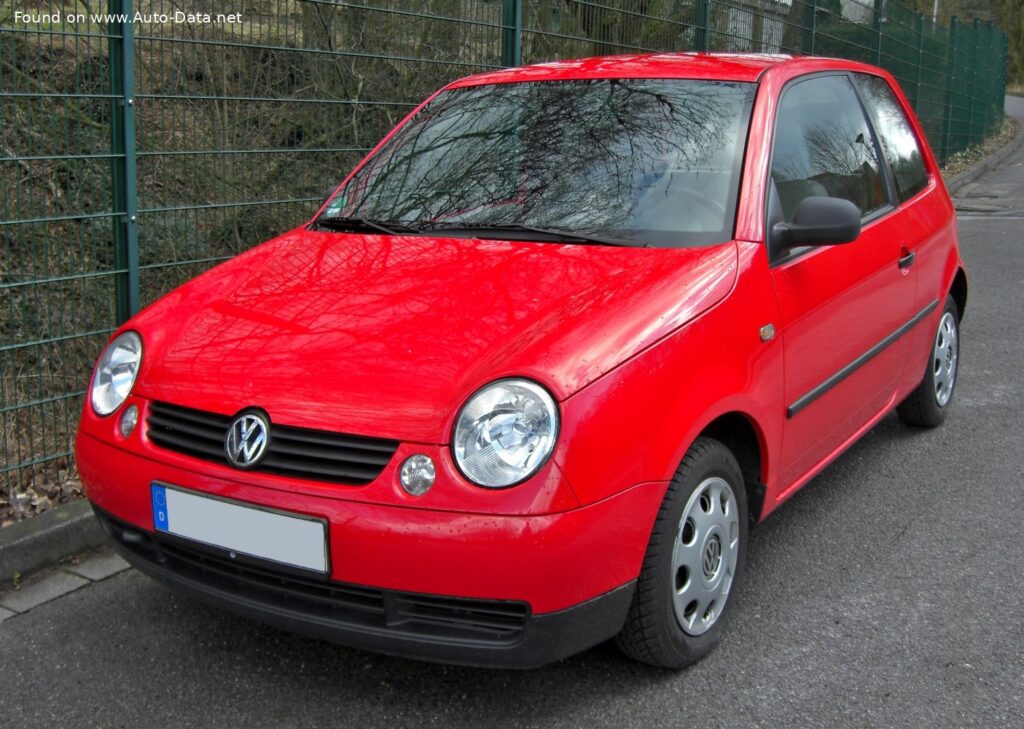
The Volkswagen Lupo (6X) 1.4 i 16V, produced from 1999 to 2005, represented a significant step in Volkswagen’s small car offerings. Positioned as a mid-range trim within the Lupo lineup, it offered a balance between affordability and performance, appealing to buyers seeking a practical and relatively efficient city car. The Lupo, built on the Volkswagen A00 platform (internally designated 1HX0), was intended as a successor to the Polo Mk2/Mk3 in certain markets, offering a more modern and refined package in a smaller footprint. This 1.4-liter 16-valve variant aimed to provide a more spirited driving experience than the base 1.0-liter models, while remaining more accessible than the higher-performance Lupo GTI.
Powertrain & Engine Architecture
The heart of the Lupo 1.4 i 16V is the Volkswagen EA827 engine family, specifically the 1390cc 16-valve inline-four cylinder engine. Engine codes commonly associated with this variant are AFK and AQQ. This engine is a naturally aspirated unit, meaning it relies solely on atmospheric pressure for induction, rather than forced induction like a turbocharger. It features multi-port fuel injection, delivering fuel directly into the intake ports just before the intake valves. The valvetrain utilizes a double overhead camshaft (DOHC) design, allowing for precise control of the intake and exhaust valves, contributing to improved engine breathing and power output.
The 1.4 i 16V engine produces 100 horsepower at 6000 rpm and 126 Nm (92.93 lb-ft) of torque at 4400 rpm. The engine’s bore and stroke are 76.5mm x 75.6mm, resulting in a compression ratio of 10:1. The engine oil capacity is 3.2 liters (3.38 US quarts / 2.82 UK quarts), and the cooling system requires 5.6 liters (5.92 US quarts / 4.93 UK quarts) of coolant. While generally reliable, these engines are susceptible to occasional issues with the coil packs and throttle body, typical for engines of this era.
The Lupo 1.4 i 16V was primarily offered with a five-speed manual transmission. However, a four-speed automatic transmission was also available, though less common. The automatic transmission, while providing convenience, did impact acceleration and fuel economy compared to the manual counterpart. The automatic’s gear ratios were optimized for fuel efficiency and smooth operation, rather than outright performance.
Driving Characteristics
The driving experience in the Lupo 1.4 i 16V is characterized by its nimble handling and responsive engine. While not a sports car, the 100 hp engine provides adequate power for everyday driving and even some spirited maneuvers. Acceleration from 0 to 100 km/h (0-62 mph) takes approximately 10 seconds, and 0-60 mph is achieved in around 9.5 seconds. The top speed is rated at 188 km/h (116.82 mph). The relatively light weight of the Lupo (approximately 947 kg or 2088 lbs) contributes to its agility and makes it feel more lively than its power figures might suggest.
The automatic transmission, while smooth, does result in a noticeable decrease in performance. Gear changes are not particularly quick, and the transmission can sometimes feel hesitant when downshifting. The manual transmission, on the other hand, offers a more engaging driving experience and allows the driver to fully utilize the engine’s power. The steering is precise and well-weighted, providing good feedback to the driver. The suspension, while simple, offers a comfortable ride without sacrificing too much handling capability.
Equipment & Trim Levels
The Lupo 1.4 i 16V typically came equipped with a reasonable level of standard features for its price point. These included central locking, power steering, front airbags, and an adjustable steering column. Interior upholstery was typically cloth, with a relatively simple dashboard layout. Higher trim levels, often denoted by additional packages, could include features such as air conditioning, electric windows, alloy wheels, and a radio/CD player. Optional extras included a sunroof, upgraded sound system, and different interior trim options.
The interior of the Lupo 1.4 i 16V is functional and well-built, though it lacks the premium feel of some of its competitors. The seats are comfortable and supportive, and the driving position is generally good. The rear seats are relatively cramped, making the Lupo best suited for carrying two adults comfortably. The trunk space is adequate for a small car, offering 130 liters (4.59 cu ft) with the rear seats up and 830 liters (29.31 cu ft) with the rear seats folded down.
Chassis & Braking
The Lupo 1.4 i 16V utilizes a relatively simple chassis design. The front suspension consists of coil springs and shock absorbers, while the rear suspension employs a trailing arm setup. This configuration provides a good balance between ride comfort and handling. The car features ventilated discs on the front wheels and discs on the rear wheels, providing adequate stopping power for its weight and performance. Anti-lock Braking System (ABS) was standard equipment, enhancing safety by preventing wheel lockup during hard braking.
The steering system is a rack and pinion type with hydraulic power assistance, providing precise and responsive steering feel. The tires are typically 185/55 R14, mounted on 5.5J x 14 inch steel or alloy wheels. The relatively narrow tires contribute to fuel efficiency and provide good grip in wet conditions.
Market Reception & Comparison
The Lupo 1.4 i 16V was generally well-received by automotive critics. It was praised for its nimble handling, fuel efficiency, and relatively affordable price. However, some critics noted that the engine could feel a bit underpowered, especially when fully loaded or driving uphill. Compared to the base 1.0-liter Lupo, the 1.4 i 16V offered a noticeable improvement in performance, making it a more enjoyable car to drive. Compared to the Lupo GTI, it lacked the GTI’s raw power and sporty features, but it was significantly more affordable and fuel-efficient.
Fuel economy for the 1.4 i 16V is rated at approximately 9.4 l/100 km (25 US mpg / 30.1 UK mpg) in urban driving and 5.6 l/100 km (42 US mpg / 50.4 UK mpg) in extra-urban driving. Reliability is generally good, though as with any car of this age, regular maintenance is essential. Common issues include occasional problems with the coil packs, throttle body, and central locking system.
Technical Specifications
| Brand | Volkswagen |
| Model | Lupo |
| Generation | Lupo (6X) |
| Type (Engine) | 1.4 i 16V (100 Hp) |
| Start of production | 1999 year |
| End of production | 2005 year |
| Fuel consumption (economy) – urban | 9.4 l/100 km (25 US mpg, 30.1 UK mpg) |
| Fuel consumption (economy) – extra urban | 5.6 l/100 km (42 US mpg, 50.4 UK mpg) |
| Fuel Type | Petrol (Gasoline) |
| Acceleration 0 – 100 km/h | 10 sec |
| Acceleration 0 – 62 mph | 10 sec |
| Acceleration 0 – 60 mph | 9.5 sec |
| Maximum speed | 188 km/h (116.82 mph) |
| Weight-to-power ratio | 9.5 kg/Hp |
| Weight-to-torque ratio | 7.5 kg/Nm |
| Power | 100 Hp @ 6000 rpm |
| Torque | 126 Nm @ 4400 rpm (92.93 lb.-ft. @ 4400 rpm) |
| Engine layout | Front, Transverse |
| Engine Model/Code | AFK, AQQ |
| Engine displacement | 1390 cm3 (84.82 cu. in.) |
| Number of cylinders | 4 |
| Engine configuration | Inline |
| Cylinder Bore | 76.5 mm (3.01 in.) |
| Piston Stroke | 75.6 mm (2.98 in.) |
| Compression ratio | 10:1 |
| Number of valves per cylinder | 4 |
| Fuel injection system | Multi-port manifold injection |
| Engine aspiration | Naturally aspirated engine |
| Valvetrain | DOHC |
| Engine oil capacity | 3.2 l (3.38 US qt | 2.82 UK qt) |
| Coolant | 5.6 l (5.92 US qt | 4.93 UK qt) |
| Kerb Weight | 947 kg (2087.78 lbs.) |
| Max. weight | 1400 kg (3086.47 lbs.) |
| Trunk (boot) space – minimum | 130 l (4.59 cu. ft.) |
| Trunk (boot) space – maximum | 830 l (29.31 cu. ft.) |
| Fuel tank capacity | 34 l (8.98 US gal | 7.48 UK gal) |
| Length | 3527 mm (138.86 in.) |
| Width | 1640 mm (64.57 in.) |
| Height | 1460 mm (57.48 in.) |
| Wheelbase | 2323 mm (91.46 in.) |
Legacy
The Volkswagen Lupo 1.4 i 16V remains a popular choice among enthusiasts and budget-conscious buyers in the used car market. Its combination of affordability, fuel efficiency, and nimble handling makes it a practical and enjoyable city car. While some maintenance may be required due to its age, the engine is generally reliable, and parts are readily available. The Lupo’s simple design and robust construction contribute to its longevity, and many examples are still on the road today. It represents a well-engineered and thoughtfully designed small car that continues to offer value and enjoyment to its owners.