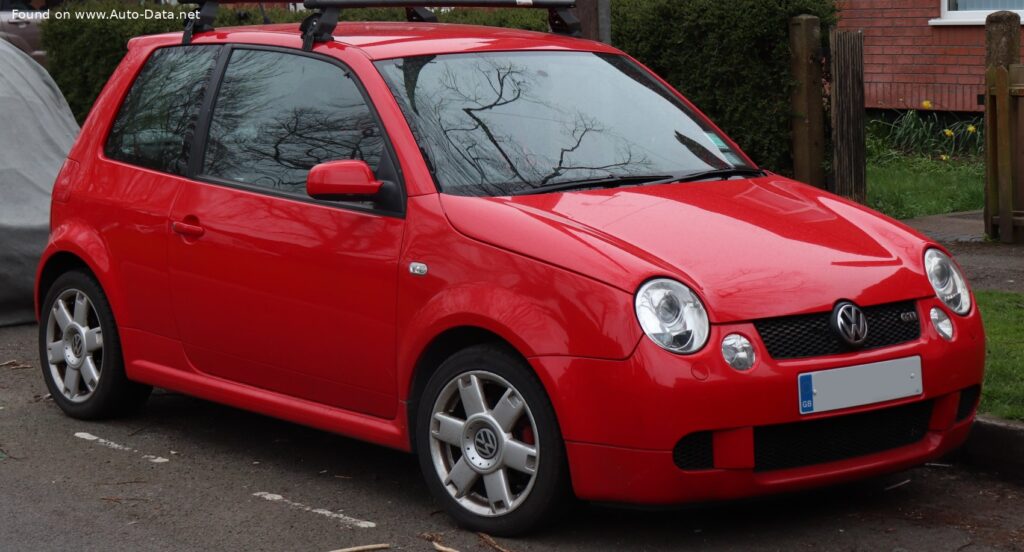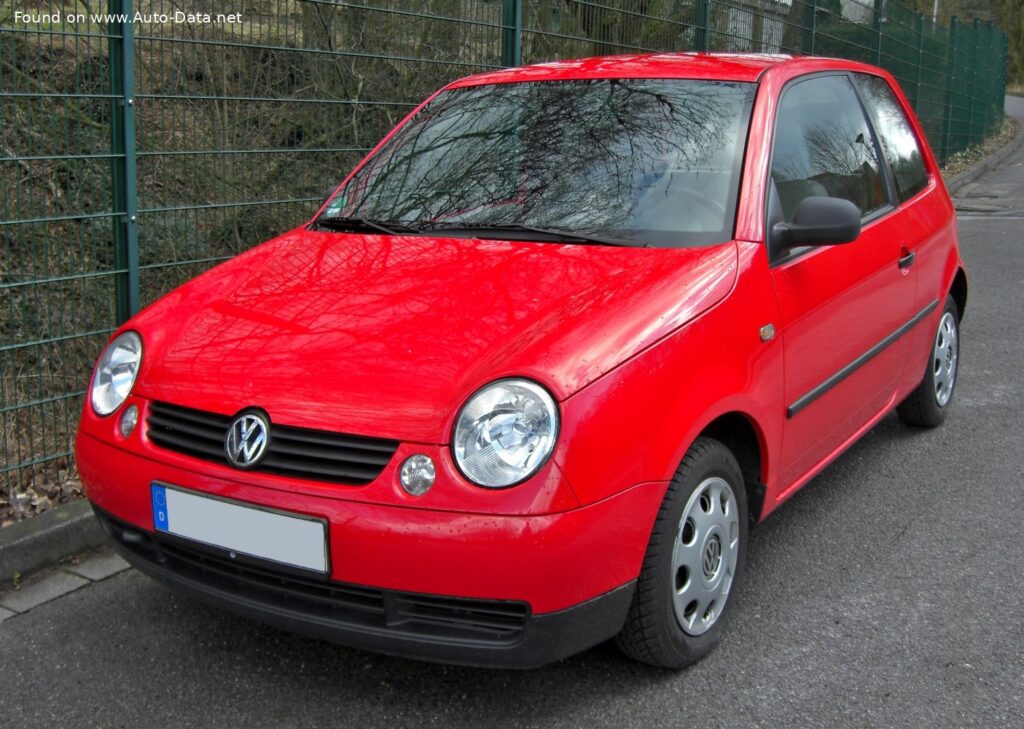
The Volkswagen Lupo (6X) 1.4 i, producing 60 horsepower, was a key entry point into the Lupo range during its production run from 1999 to 2005. Positioned as the base model, it represented an affordable and economical option within the broader Lupo lineup, which also included more powerful variants like the 1.8 and later, diesel options. The Lupo itself was a subcompact hatchback, built on the Volkswagen A04 platform (internally designated 6X), and aimed at providing a modern, small car experience for European buyers. This 1.4-liter variant was particularly popular for its fuel efficiency and suitability for urban driving.
Powertrain & Engine Architecture
The heart of the Lupo 1.4 i was the AUD engine code, a 1.4-liter inline four-cylinder gasoline engine. This engine was a relatively simple design, utilizing a single overhead camshaft (OHC) valvetrain with two valves per cylinder. The engine displaced 1390 cc (84.82 cubic inches) and featured a compression ratio of 10.4:1. Fuel delivery was managed by a multi-port manifold injection system, a common technology for the time, providing adequate fuel atomization for efficient combustion. The engine produced a maximum power output of 60 hp (43.2 hp/liter) at 4700 rpm and 116 Nm (85.56 lb-ft) of torque at 3000 rpm.
While a five-speed manual transmission was the most common pairing, the 1.4 i was also offered with a four-speed automatic transmission. This automatic option, while providing convenience, did impact performance and fuel economy compared to the manual version. The automatic transmission was a conventional hydraulic automatic, known for its reliability but lacking the efficiency of more modern automatic designs. It featured standard gear ratios optimized for everyday driving, prioritizing smooth shifts over outright acceleration.
Engine Code Specifics (AUD)
The AUD engine code designates a specific iteration of Volkswagen’s EA111 engine family. This particular version was designed for economy and reliability, rather than high performance. Key features included a cast iron engine block and aluminum cylinder head. The engine’s relatively low power output meant it was less stressed than higher-performance versions, contributing to its longevity. Maintenance typically involved regular oil changes, spark plug replacements, and occasional inspection of the timing belt (though some later versions used a timing chain).
Driving Characteristics
The Lupo 1.4 i with the automatic transmission offered a comfortable, if uninspiring, driving experience. Acceleration was modest, taking approximately 14.3 seconds to reach 100 km/h (62 mph) and around 13.6 seconds to 60 mph. The automatic transmission’s gear ratios were geared towards fuel efficiency, meaning the engine often operated at higher RPMs during acceleration. This resulted in a noticeable engine drone, particularly when climbing hills or overtaking. Compared to the manual transmission version, the automatic suffered a slight performance penalty, but offered ease of use, especially in congested urban environments. The power delivery was linear, but lacked the punch of the more powerful 1.8-liter models. The car felt nimble and easy to maneuver, making it well-suited for city driving and parking.
Equipment & Trim Levels
The base-level Lupo 1.4 i typically came with a fairly basic specification. Standard equipment included power steering, central locking, and front airbags. Interior upholstery was typically cloth, with a simple dashboard layout. Air conditioning was often an optional extra, as were electric windows and alloy wheels. Higher trim levels, such as the ‘E’ or ‘Match’ trims, added features like air conditioning, upgraded interior trim, and alloy wheels. The Lupo was designed to be a customizable vehicle, allowing buyers to add options based on their budget and preferences. The overall interior design was functional and practical, prioritizing space efficiency over luxury.
Chassis & Braking
The Lupo 1.4 i featured a relatively simple chassis setup. Front suspension consisted of coil springs and shock absorbers, while the rear utilized a trailing arm suspension. This configuration provided a comfortable ride, but wasn’t particularly sporty. The car’s relatively light weight (approximately 910 kg or 2006 lbs) helped to mitigate the limitations of the suspension. Braking was handled by ventilated discs on the front wheels and discs on the rear. Anti-lock Braking System (ABS) was standard, enhancing safety during emergency braking situations. The steering was a hydraulic power steering system, providing light and easy steering feel.
Market Reception & Comparison
The Lupo 1.4 i was generally well-received by automotive critics as an affordable and practical city car. Its fuel economy was a major selling point, with combined fuel consumption figures around 6.2 l/100 km (37.9 US mpg). However, its performance was often criticized as being underwhelming, particularly when compared to the more powerful 1.8-liter models. The automatic transmission version was seen as a compromise, offering convenience at the expense of performance and fuel economy. Compared to rivals like the Ford Fiesta and Renault Clio, the Lupo offered a slightly more refined driving experience and a reputation for build quality. The Lupo 1.4 i appealed to buyers who prioritized economy, reliability, and ease of use over outright performance.
Technical Specifications
| Brand | Volkswagen |
| Model | Lupo |
| Generation | Lupo (6X) |
| Type (Engine) | 1.4 i (60 Hp) |
| Start of production | 1999 year |
| End of production | 2005 year |
| Powertrain Architecture | Internal Combustion engine |
| Body type | Hatchback |
| Seats | 4 |
| Doors | 3 |
| Fuel consumption (urban) | 8.5 l/100 km (27.7 US mpg) |
| Fuel consumption (extra urban) | 4.9 l/100 km (48 US mpg) |
| Fuel consumption (combined) | 6.2 l/100 km (37.9 US mpg) |
| Fuel Type | Petrol (Gasoline) |
| Acceleration 0 – 100 km/h | 14.3 sec |
| Acceleration 0 – 62 mph | 14.3 sec |
| Acceleration 0 – 60 mph | 13.6 sec |
| Maximum speed | 160 km/h (99.42 mph) |
| Weight-to-power ratio | 15.2 kg/Hp |
| Power | 60 Hp @ 4700 rpm |
| Torque | 116 Nm @ 3000 rpm (85.56 lb.-ft. @ 3000 rpm) |
| Engine layout | Front, Transverse |
| Engine Model/Code | AUD |
| Engine displacement | 1390 cm3 (84.82 cu. in.) |
| Number of cylinders | 4 |
| Cylinder Bore | 76.5 mm (3.01 in.) |
| Piston Stroke | 75.6 mm (2.98 in.) |
| Compression ratio | 10.4:1 |
| Number of valves per cylinder | 2 |
| Fuel injection system | Multi-port manifold injection |
| Engine oil capacity | 3.2 l (3.38 US qt | 2.82 UK qt) |
| Coolant capacity | 5.6 l (5.92 US qt | 4.93 UK qt) |
| Kerb Weight | 910 kg (2006.21 lbs.) |
| Max. weight | 1380 kg (3042.38 lbs.) |
| Trunk (boot) space – minimum | 130 l (4.59 cu. ft.) |
| Trunk (boot) space – maximum | 830 l (29.31 cu. ft.) |
| Fuel tank capacity | 34 l (8.98 US gal | 7.48 UK gal) |
| Length | 3527 mm (138.86 in.) |
| Width | 1640 mm (64.57 in.) |
| Height | 1460 mm (57.48 in.) |
| Wheelbase | 2320 mm (91.34 in.) |
Legacy
The Lupo 1.4 i, particularly with the automatic transmission, has proven to be a relatively reliable vehicle in the used car market. The AUD engine is known for its durability, provided it has been regularly maintained. Common issues include oil leaks and occasional problems with the cooling system. The automatic transmission, while not particularly efficient, is generally robust. Today, these Lupos are often sought after as affordable and economical runabouts, particularly by first-time drivers or those seeking a simple and reliable city car. While not a performance icon, the Lupo 1.4 i represents a practical and well-engineered example of Volkswagen’s small car expertise.