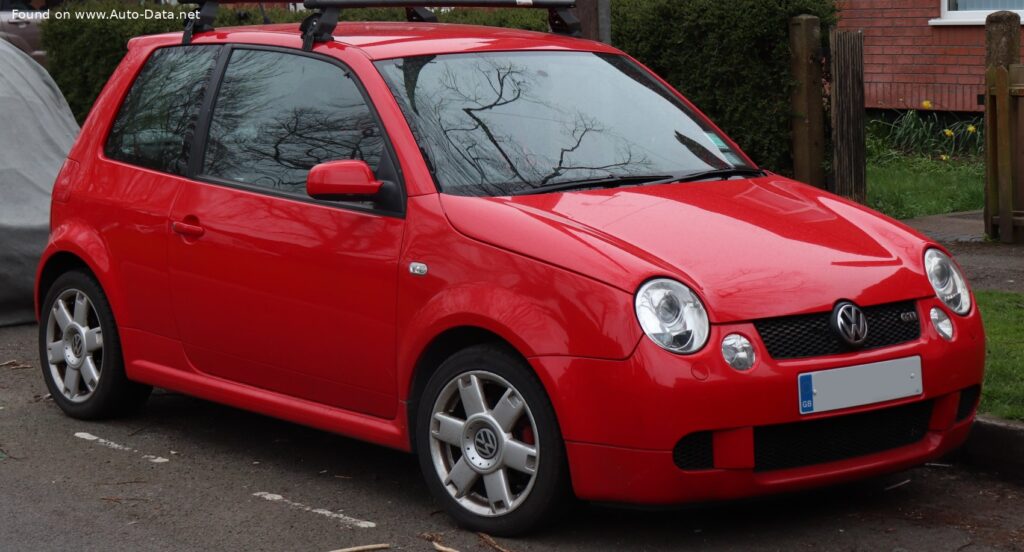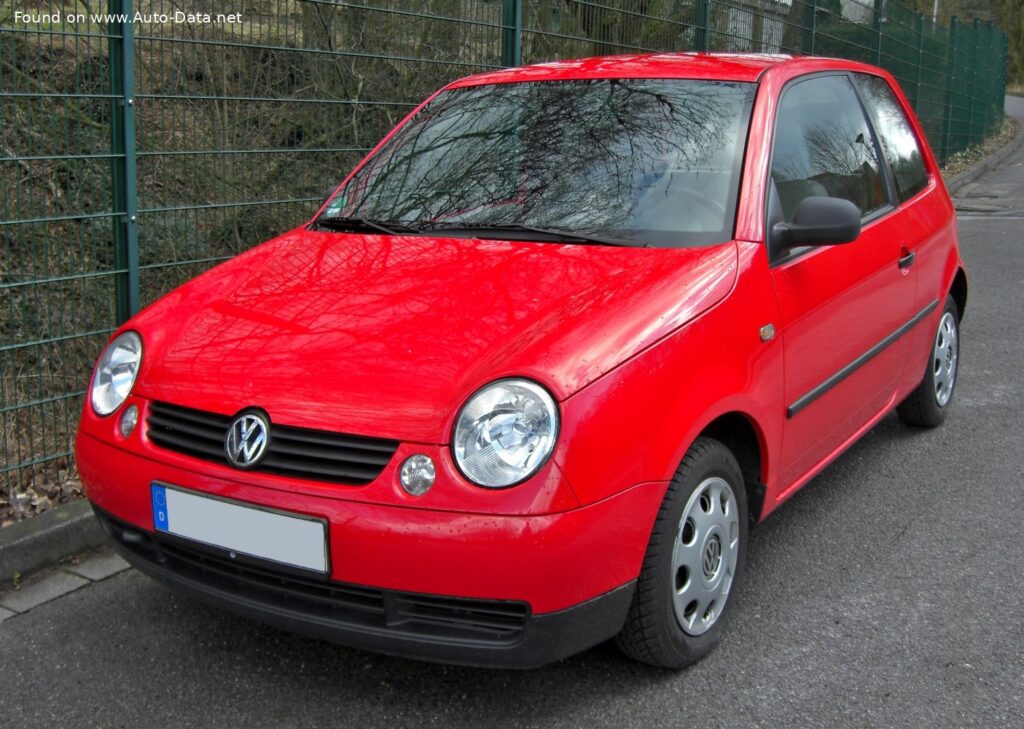
The Volkswagen Lupo 6X 1.4 i FSI 16V, produced from 2000 to 2005, represents a significant iteration of Volkswagen’s small city car. Positioned as a mid-range offering within the Lupo lineup, it bridged the gap between the base 1.0 and 1.2 liter models and the more performance-oriented 1.8 liter variants. Built on the Volkswagen A04 platform (internally designated 6X), the 1.4 FSI aimed to deliver a balance of fuel efficiency, respectable performance, and modern technology in a compact package. This variant was particularly popular in European markets as an affordable and practical hatchback.
The 1.4 i FSI 16V Engine and Powertrain
The heart of the Lupo 1.4 i FSI 16V is the ARR engine code, a 1390cc inline-four cylinder gasoline engine. This engine is notable for its direct fuel injection (FSI – Fuel Stratified Injection) system, a technology Volkswagen was actively promoting at the time. Unlike traditional port fuel injection, FSI injects fuel directly into the combustion chamber, allowing for more precise fuel metering, improved combustion efficiency, and increased power output. The engine features a double overhead camshaft (DOHC) valvetrain with four valves per cylinder, contributing to its responsive nature. The compression ratio is relatively high at 11.5:1, further enhancing efficiency.
While a five-speed manual transmission was the most common pairing, a four-speed automatic transmission was also offered, though less frequently. The automatic transmission, while providing convenience, did impact performance and fuel economy compared to the manual version. The automatic’s gear ratios were optimized for everyday driving, prioritizing smooth shifts and fuel efficiency over outright acceleration. The engine produced 105 horsepower at 6200 rpm and 130 Nm (95.88 lb-ft) of torque at 4500 rpm. This output provided a reasonable level of performance for a car of its size and weight.
Fuel Injection and Engine Management
The FSI system utilized a high-pressure fuel pump to deliver fuel directly into the cylinder. This allowed for stratified charge operation at low loads, meaning a leaner air-fuel mixture could be used, further improving fuel economy. The engine was managed by a sophisticated electronic control unit (ECU) that monitored various sensors to optimize fuel injection timing, ignition timing, and other parameters. The ECU played a crucial role in balancing performance, emissions, and fuel efficiency.
Driving Characteristics
The Lupo 1.4 FSI 16V offered a noticeably more spirited driving experience than the lower-displacement models. While not a sports car, the engine’s 105 hp provided sufficient power for confident overtaking and highway cruising. Acceleration from 0 to 62 mph (0-100 km/h) took approximately 11.8 seconds, and the car had a top speed of around 123.65 mph (199 km/h). The direct injection system contributed to a responsive throttle and a relatively flat torque curve, making the engine feel more powerful than its displacement might suggest.
The automatic transmission, while convenient, did detract somewhat from the driving experience. Shifts were generally smooth, but not particularly quick, and the transmission could sometimes feel hesitant when downshifting. Compared to the manual version, the automatic resulted in a slight decrease in fuel economy and a marginal reduction in acceleration. However, for drivers prioritizing ease of use, the automatic offered a comfortable and practical driving experience.
Equipment and Trim Levels
The 1.4 FSI 16V typically came equipped with a reasonable level of standard features. These included central locking, power steering, front airbags, and an adjustable steering column. Interior upholstery was typically cloth, with a relatively simple but functional dashboard layout. Optional extras included air conditioning, alloy wheels, electric windows, and a CD stereo system. Higher trim levels, often denoted by specific packages, could add features like upgraded interior trim, fog lights, and a sunroof.
The Lupo, in general, was designed to be a practical and affordable car, and the 1.4 FSI 16V reflected this philosophy. While it didn’t offer the luxurious appointments of larger Volkswagen models, it provided a comfortable and well-equipped interior for its price point.
Chassis and Braking
The Lupo 6X featured a relatively simple but effective chassis design. Front suspension utilized coil springs and independent suspension, while the rear employed a trailing arm setup. This configuration provided a good balance of ride comfort and handling. The car’s relatively light weight (around 900 kg or 1984 lbs) contributed to its nimble handling characteristics.
Braking consisted of ventilated discs on the front wheels and discs on the rear. Anti-lock Braking System (ABS) was standard, enhancing safety and control during emergency braking. The braking system was generally considered adequate for the car’s performance and weight.
Market Reception and Comparison
The Lupo 1.4 FSI 16V was generally well-received by automotive critics. It was praised for its fuel efficiency, responsive engine, and nimble handling. The FSI technology was seen as a significant step forward, offering improved performance and economy compared to traditional engines. However, some critics noted that the automatic transmission could feel sluggish at times.
Compared to other trims in the Lupo lineup, the 1.4 FSI 16V offered a compelling balance of performance and economy. The base 1.0 and 1.2 liter models were more affordable but lacked the 1.4’s power and responsiveness. The 1.8 liter models offered significantly more performance but came at a higher price and with increased fuel consumption. The 1.4 FSI 16V, therefore, appealed to buyers seeking a practical and enjoyable city car without breaking the bank.
Technical Specifications
| Brand | Volkswagen |
| Model | Lupo |
| Generation | Lupo (6X) |
| Type (Engine) | 1.4 i FSI 16V (105 Hp) |
| Start of production | 2000 year |
| End of production | 2005 year |
| Fuel consumption (urban) | 6.3 l/100 km (37.3 US mpg) |
| Fuel consumption (extra urban) | 4.1 l/100 km (57.4 US mpg) |
| Fuel consumption (combined) | 4.9 l/100 km (48 US mpg) |
| Fuel Type | Petrol (Gasoline) |
| Acceleration 0 – 100 km/h | 11.8 sec |
| Acceleration 0 – 62 mph | 11.8 sec |
| Maximum speed | 199 km/h (123.65 mph) |
| Power | 105 Hp @ 6200 rpm |
| Torque | 130 Nm @ 4500 rpm (95.88 lb.-ft. @ 4500 rpm) |
| Engine displacement | 1390 cm3 (84.82 cu. in.) |
| Kerb Weight | 900 kg (1984.16 lbs) |
| Max. weight | 1260 kg (2777.82 lbs) |
| Trunk (boot) space – minimum | 185 l (6.53 cu. ft.) |
| Trunk (boot) space – maximum | 830 l (29.31 cu. ft.) |
| Fuel tank capacity | 34 l (8.98 US gal) |
| Length | 3527 mm (138.86 in) |
| Width | 1640 mm (64.57 in) |
| Height | 1460 mm (57.48 in) |
Legacy
The Lupo 1.4 FSI 16V, while no longer in production, remains a popular choice among used car buyers seeking a reliable and economical city car. The FSI engine, when properly maintained, has proven to be relatively durable. However, like any direct injection engine, it can be susceptible to carbon buildup on the intake valves, which can eventually affect performance. Regular servicing and the use of quality fuel are essential to prevent this issue. The Lupo’s simple construction and readily available parts contribute to its affordability and ease of maintenance. Today, well-maintained examples of the 1.4 FSI 16V can still provide years of reliable service, making it a testament to Volkswagen’s engineering prowess.